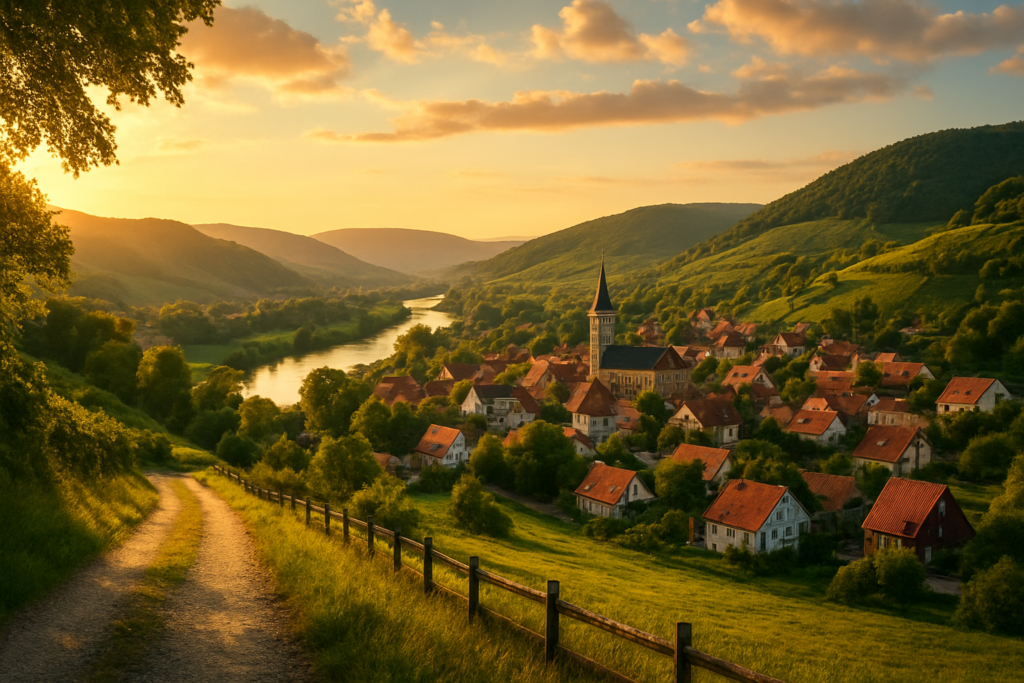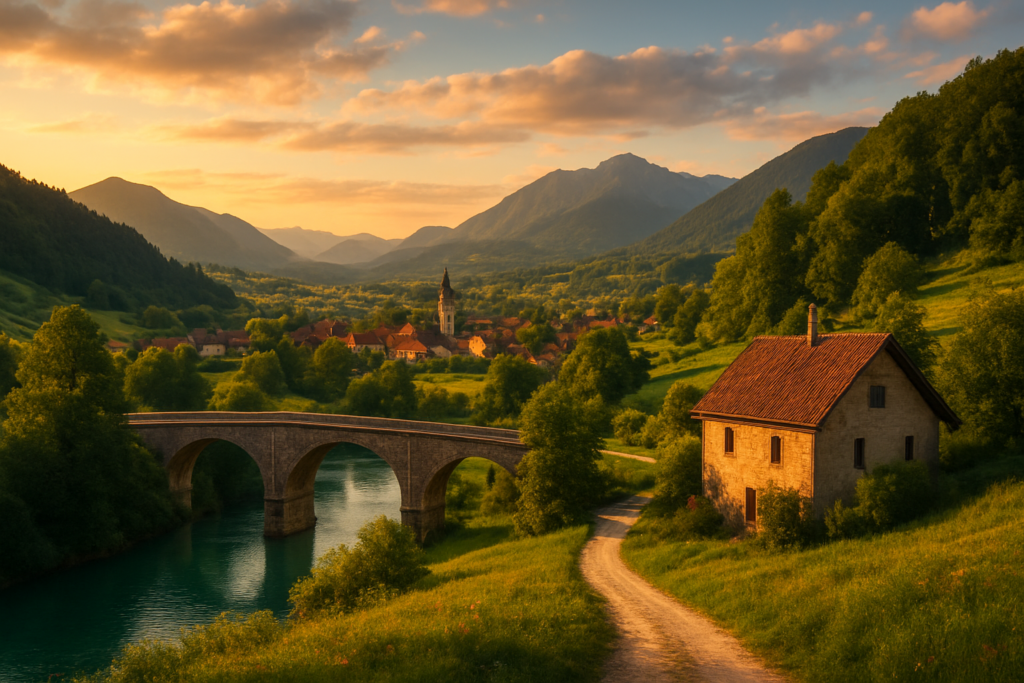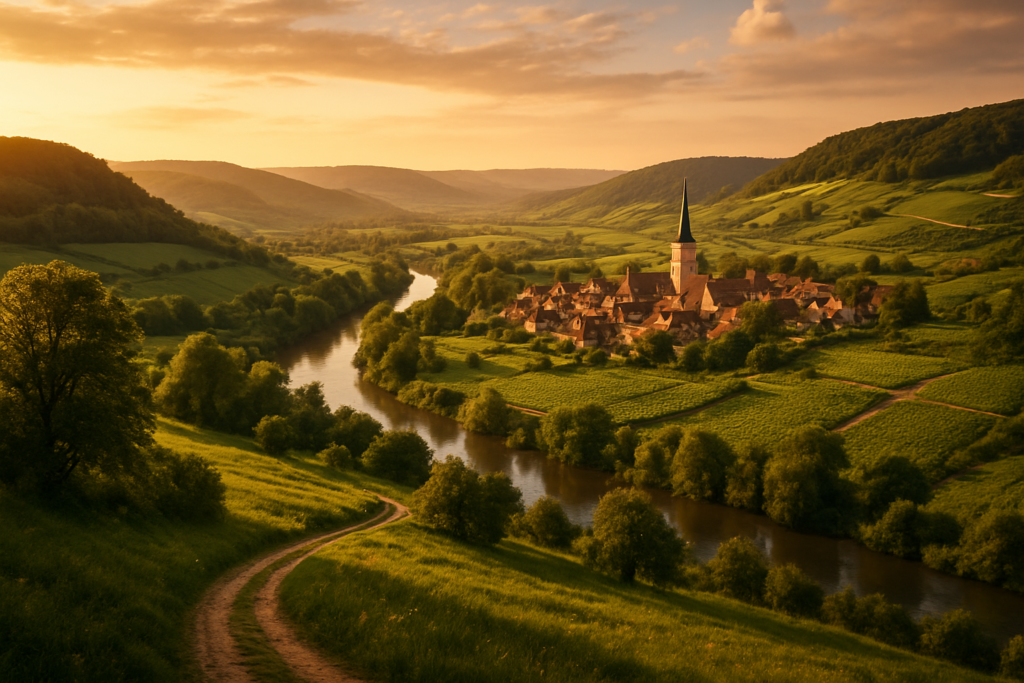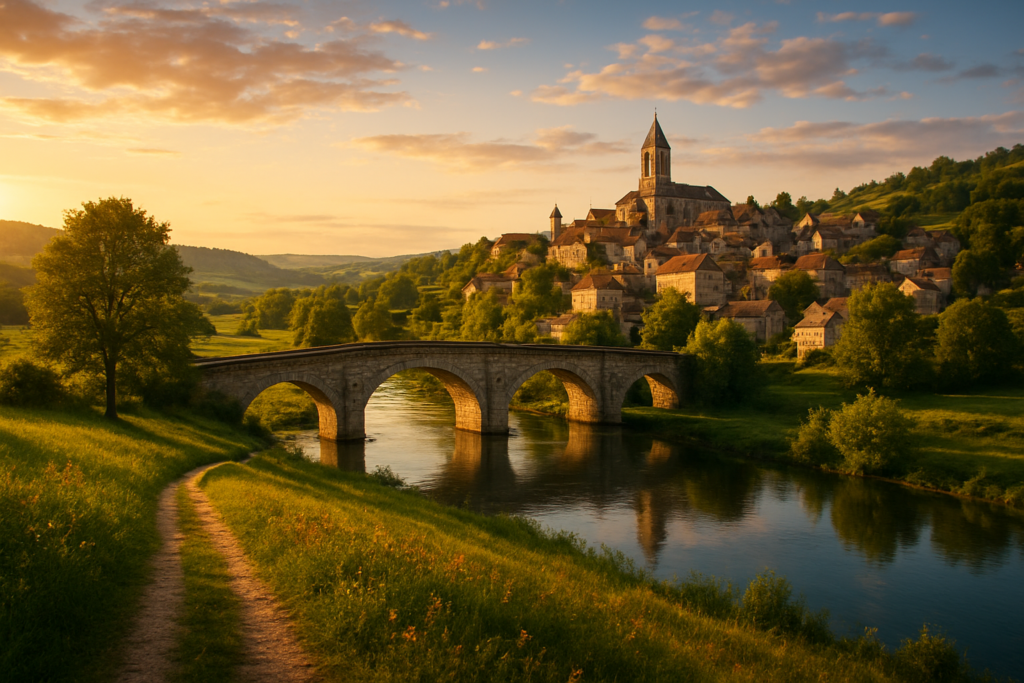
These Mountain Trails in Europe Are Absolutely Breathtaking
If you crave panoramic views and fresh air, these breathtaking mountain trails in Europe will deliver. Pack your boots, pick your season, and hike where the scenery feels unreal.
Quick Overview
- We’re spotlighting iconic and lesser-known European mountain trails.
- You’ll get difficulty hints, best seasons, and practical planning tips.
- Plus, we’ll share how to hike smarter for safer, happier days.
Why Europe’s Mountain Trails Feel Like Magic
Europe’s mountains are dramatic, varied, and wonderfully accessible. One day you can stroll through alpine meadows. The next, you’ll climb rocky paths above a ribbon of glacier-blue water. Meanwhile, village life waits at the trail’s edges, offering cozy meals after big effort.
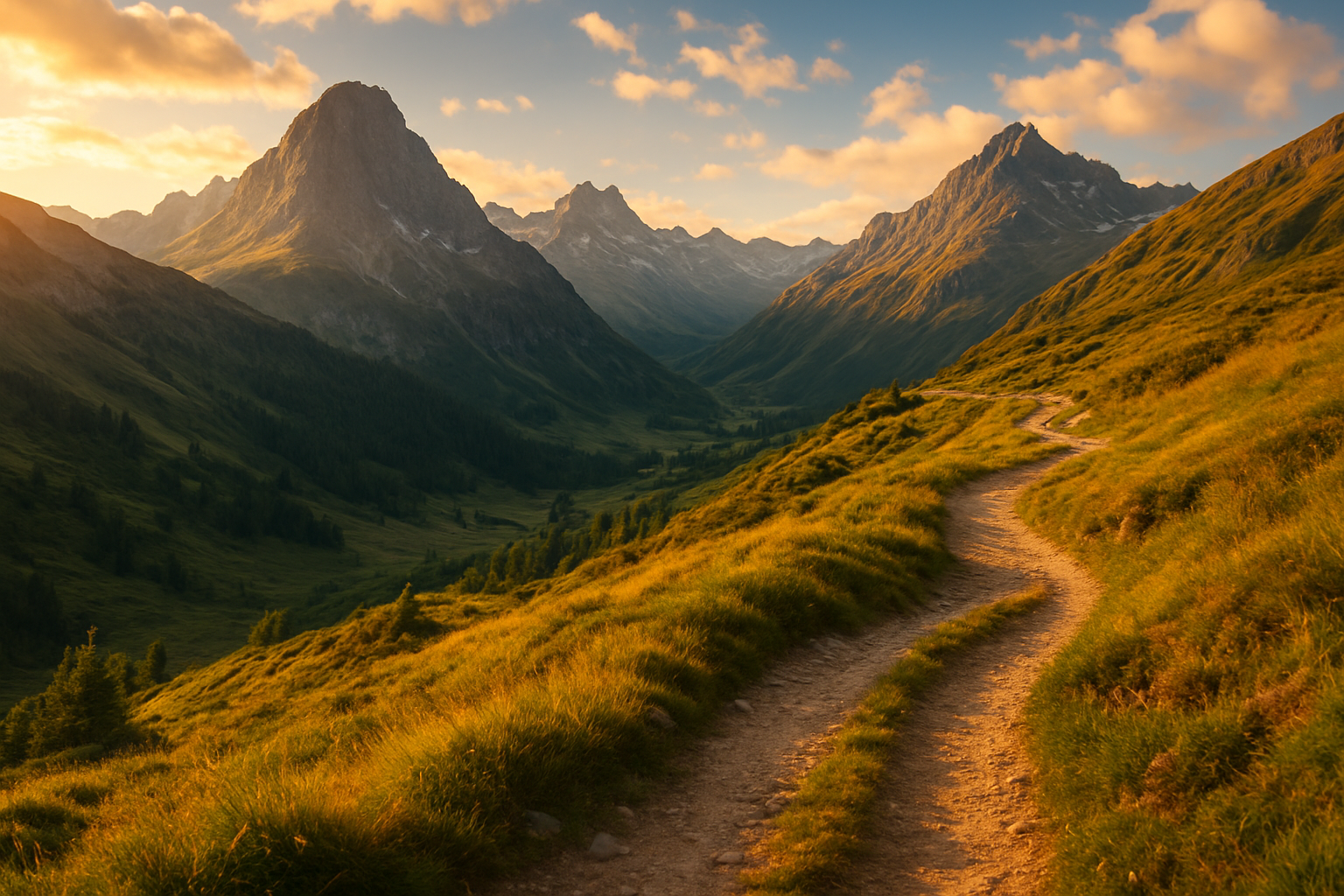
What makes these trails special is how quickly they reward your energy. A bend in the path often reveals a whole new world. Clouds shift and suddenly the entire landscape opens up. Therefore, hiking here feels like exploring a living postcard.
Even better, many routes are doable for non-experts. Of course, “easy” still means you’ll walk uphill. Yet with smart pacing and good timing, you can experience big views without needing mountain-climbing gear.
Trail Picks: Breathtaking Mountain Hiking in Europe
Below are standout European mountain trails that consistently wow hikers. I’ve included a mix of classics and hidden gems. So whether you love dramatic peaks or gentle ridgelines, you’ll find your match.
1) Tour du Mont Blanc (France/Italy/Switzerland)
First up is the ultimate multi-country alpine journey: the Tour du Mont Blanc. This classic trek loops around Mont Blanc and connects charming villages. As a result, it feels epic but also wonderfully human.
You’ll hike through meadows, forests, and high passes. Then you’ll descend into valleys filled with farmhouses and small cafés. The scenery changes so often that you stop noticing the miles.
- Best season: July to September, when trails are best organized.
- Difficulty: Moderate to challenging, depending on daily stages.
- Don’t miss: Glacier viewpoints and mountain-refuge dinners.
2) The Eiger Trail to Kleine Scheidegg (Switzerland)
If you want jaw-dropping mountain drama, this one delivers. The Eiger Trail brings you close to steep, iconic walls. Moreover, the views are so cinematic that you’ll think someone edited them in.
From trail segments around the Kleine Scheidegg area, you’ll see the Eiger’s rugged profile. In addition, you may spot trains and cable lines below, which makes the landscape feel oddly surreal.
- Best season: Late spring through autumn.
- Difficulty: Easy to moderate for many sections.
- Good to know: Check weather often. Alpine storms move quickly.
3) The GR20 in Corsica (France)
Now let’s talk about the famous GR20. It’s a demanding long-distance trail across Corsica’s spine. However, hikers who love a challenge are rewarded in a big way.
You’ll cross rugged ridges, stone ladders, and narrow valley sections. Yet the “wow” factor is huge: wild landscapes, bright wildflowers, and sweeping views at every turn.
This trail is best for strong hikers who enjoy technical terrain. If you’re new to mountain hiking, consider a shorter Corsica hike instead.
- Best season: June to early October.
- Difficulty: Challenging, with rocky sections and elevation.
- Tip: Break it into stages and plan for refuges.
4) The Via Alpina: Etappe on the Dolomites (Italy)
The Dolomites deserve their own spotlight. Their limestone towers look carved by light itself. As you hike, the rock faces glow in warm tones and cool shadows.
The Via Alpina offers multiple stages across the region. Therefore, you can choose routes based on your fitness and time. You can go for a day hike or build a multi-day adventure.
- Best season: Late June to September for comfortable hiking.
- Difficulty: Varies by stage; many are moderate.
- Don’t miss: Ridge walks with dramatic viewpoints.
5) Camino Primitivo Peaks and Passes (Spain)
Yes, the Camino de Santiago has mountain routes that feel wild and rewarding. The Camino Primitivo includes sections where you’ll hike through forests and high passes. Consequently, you get a blend of spiritual history and wild nature.
Some days feel gentle, while others ask for steady uphill effort. Still, the atmosphere remains friendly. You’ll also find small towns along the way, which makes it easier to resupply.
- Best season: Spring and early autumn for mild weather.
- Difficulty: Moderate, with climbs that rise gradually.
- Great for: Travelers who love culture between hikes.
6) Picos de Europa: Cares Gorge Trail (Spain)
The Cares Gorge Trail is a classic “spectacular and simple” hike. It winds along a narrow route above dramatic drops. At the same time, it’s surrounded by steep mountain walls.
Thus, you get that postcard sensation without needing technical skills. Still, you should bring a good pair of shoes and expect narrow sections.
- Best season: Late spring and autumn to avoid peak summer crowds.
- Difficulty: Easy to moderate, depending on pace and direction.
- Pro tip: Start early for the best light and calmer trail.
7) Susten Pass Area: Panorama Trails in the Bernese Oberland (Switzerland)
Sometimes the most breathtaking trails aren’t the most famous. In the Bernese Oberland, you can string together panorama routes near pass areas. These hikes often feel spacious, with plenty of breathing room.
You’ll likely spot rolling peaks, deep valleys, and bright alpine lakes. Additionally, you may find trails that connect viewpoints without constant steep climbs.
- Best season: July to September for stable conditions.
- Difficulty: Mostly moderate, with occasional steeper sections.
- Perfect for: View-chasers who want comfort and scenery.
How to Choose the Right Mountain Trail for You
Before you fall in love with a map, match the trail to your style. Think about your pace, comfort level, and how you handle altitude. Then you’ll enjoy the hike more, even on long days.
How It Works / Steps
- Pick your “view level.” Want ridges, glaciers, or forests with sudden peaks?
- Choose a difficulty tier. Easy for scenic walks, moderate for sustained climbs, challenging for rugged terrain.
- Plan by season. Summer is popular, but shoulder seasons often bring better comfort.
- Check daylight hours. Start early and avoid late finishes near storms.
- Pack for mountain weather. Bring layers, rain protection, and snacks.
- Match logistics to your energy. Some trails need shuttles or multi-day bookings.
Best Seasons for European Mountain Trails
Timing can make or break the hiking experience. Alpine conditions shift fast, and some trails close seasonally. Therefore, planning ahead is a form of self-care.
Here’s a simple seasonal guide you can use as a starting point:
- Late spring (May–June): Fresh scenery, cooler temps, sometimes lingering snow.
- Summer (July–August): Highest accessibility, more crowds, frequent afternoon storms.
- Autumn (September–October): Clear skies, crisp air, fewer people.
- Winter: Only for experienced hikers with appropriate routes and gear.
What to Pack for Safe, Happy Hikes
Mountain trails reward you most when you feel comfortable. Packing well prevents the small inconveniences that ruin good momentum. Meanwhile, it also keeps you safer in changing weather.
Essential checklist
- Sturdy hiking shoes with grip
- Water bottle or hydration system
- Light rain jacket or windbreaker
- Layers for temperature shifts
- Snacks and an energy bar you actually like
- Map offline or downloaded route details
- Small first-aid kit
- Sunscreen and sunglasses
Also, don’t underestimate altitude. Even “easy” trails can feel steep if you’re above your usual comfort zone. So pace yourself and take breaks that actually recharge you.
Trail Etiquette and Responsible Hiking
Europe’s trails are loved for a reason. However, popularity can pressure fragile ecosystems. Therefore, a few simple habits go a long way.
- Stay on marked paths to protect vegetation.
- Pack out all trash, even biodegradable scraps.
- Keep noise low in refuges and quiet valleys.
- Respect wildlife and avoid disturbing animals.
- Follow local rules about fires and camping.
If you’d like more hiking mindset inspiration, check out this-hidden-trail-in-europe-feels-like-another-planet. It’s perfect for travelers who love a sense of wonder.
Examples: Pick a Plan Based on Your Vibe
Not sure where to start? Here are three “ready-to-go” examples. Choose the one that matches your mood, then tailor it with route research.
Example A: One unforgettable day
If you want big scenery without a long commitment, try the Cares Gorge Trail. Then pair it with a relaxed meal in a nearby town. This kind of day hike is ideal for travelers with limited time.
Example B: A weekend full of mountains
For a two- to three-day trip, consider a Dolomites stage via the Via Alpina system. You can focus on viewpoints and classic passes. As a bonus, the region makes it easy to plan around meals and lodgings.
Example C: A true trek like a travel movie
If you want something that changes you, plan a chunk of the Tour du Mont Blanc. You’ll hike through multiple landscapes and sleep in alpine hospitality. Eventually, you’ll feel like you belong in the mountains.
FAQs
Are these mountain trails in Europe suitable for beginners?
Some are beginner-friendly, like the Cares Gorge Trail sections. Others, like the GR20, need strong experience. If you’re new, choose moderate routes and research elevation carefully.
Do I need a guide?
Not always. Many trails are well marked and popular. However, remote or technical routes may benefit from local guidance or detailed planning.
What’s the best way to avoid crowds?
Start early in the morning. Also, hike in shoulder seasons when possible. Lastly, consider choosing slightly less famous sections of well-known routes.
How do I handle weather changes on mountain trails?
Bring layers and rain protection. Then check forecasts before you leave and adjust your plan if storms approach. Most importantly, don’t hesitate to turn back when conditions worsen.
Key Takeaways
- Europe’s mountain trails combine big views with charming towns.
- Choosing the right difficulty and season matters more than you think.
- Pack for changing weather and pace for altitude.
- Hike responsibly so these routes stay magical for everyone.
Conclusion
These breathtaking mountain trails in Europe aren’t just scenic. They’re immersive adventures that turn travel into memory-making. Whether you follow alpine ridges in the Dolomites or chase dramatic walls in Switzerland, the reward is always the same.
You’ll come home with wind in your hair, photos that feel too good to be real, and a stronger sense of wonder. So choose your favorite route style, grab your hiking shoes, and go. The mountains are waiting—cheerfully, patiently, and with views that steal the show.
If you want even more inspiration, don’t miss 10 Mountain Views in Europe You Need to See Once. It’s a great next step for building your ultimate hiking bucket list.