These Waterfalls in Europe Look Straight Out of a Movie
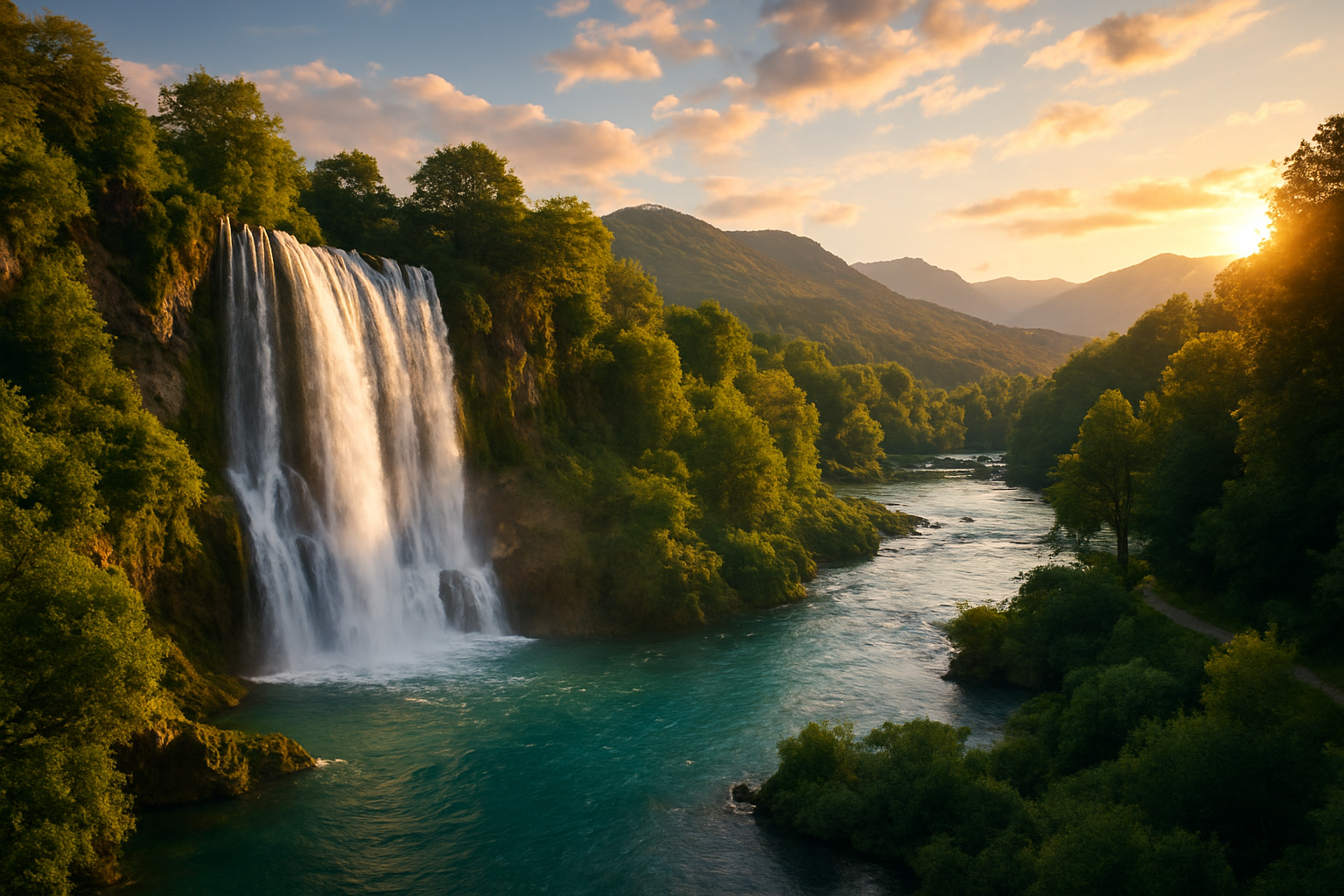
From misty gorges to emerald cascades, these European waterfalls look wildly cinematic—like scenes from a film.
Quick Overview
- Expect dramatic drops, rainbow mist, and postcard-perfect viewpoints.
- Plan around seasons for full flow and comfortable hiking.
- Mix iconic stops with lesser-known waterfall viewpoints.
Why Europe’s Waterfalls Look Like Movie Sets
Europe has a rare talent for making nature feel choreographed. One moment you’re walking through a quiet forest. The next moment, sound hits first—then the spray appears. After that, your camera practically starts buzzing on its own.
Waterfalls look especially dramatic here because the continent’s geology does the heavy lifting. Glacial valleys carve steep paths. Limestone and granite create sharp ledges. Meanwhile, changing weather makes mist glow in golden light.
Additionally, many waterfall sites sit near viewpoints that are easy to reach. So you can enjoy big scenery without a full expedition. Therefore, even short travel weekends can deliver long-lasting “wow” memories.
Iconic Waterfalls That Never Stop Filming Your Brain
Let’s start with the headliners. These are the falls people talk about for a reason. However, they’re not just famous—they’re consistently beautiful. Plus, they often have multiple viewpoints, so you can watch the mood change throughout the day.
1) Niagara Falls? Not This One—But Europe’s Most Majestic Substitute: Giessbach Falls, Switzerland
If you want a cinematic waterfall experience without jetting overseas, head to Lake Brienz. The Giessbach Falls spill down a steep slope into the lake. Consequently, the scenery feels layered—water in motion, forests climbing, and the horizon framing it all.
Best of all, you can combine viewpoints with a calm lakeside walk. The area also has classic Swiss textures—wood, stone, and misty air. In short, it’s the kind of place that makes you whisper “wow” even without trying.
2) Krimml? Here’s the Reason: Krimml Waterfalls, Austria
Krimml is a waterfall powerhouse in the Alps. It’s a multi-tier cascade with strong flow and dramatic cliffs. As you approach, the sound grows into a steady roar.
Moreover, there are well-marked walking paths. So you can get closer without guessing. Then, when you reach the top viewpoints, you’ll see the falls stretch like a natural staircase.
If you’re planning an active day, consider pairing the falls with nearby hiking trails. For more inspiration, you might love these mountain trails in Europe that are absolutely breathtaking.
3) Rhein? Actually: Staubbach Falls, Lauterbrunnen Valley, Switzerland
Staubbach Falls is a delicate yet powerful curtain in the Lauterbrunnen Valley. It drops dramatically from a sheer cliff. Then it turns your whole day into a fairytale.
What makes it feel movie-like is the contrast. You have a high, white ribbon of water. You also have dark timber buildings and bright alpine meadows below.
Visit early, and you may catch foggy light. Later in the day, the valley opens up like a wide cinematic shot.
4) Niagara Energy, European Beauty: Rhine Falls, Switzerland
Rhine Falls delivers raw power. Water surges across the river and splits into thrilling channels. So even if you’ve seen waterfalls before, this one hits differently.
There are multiple vantage points. You can watch from elevated platforms. You can also explore viewpoints closer to the spray.
Because the falls are wide and active, the atmosphere is always dramatic. Rainbows are possible when conditions line up. Therefore, check weather forecasts and be ready to chase that glow.
Underrated Waterfalls With Huge “Cinematic” Energy
Now let’s talk about the sneaky magic. These places often feel quieter than the headline attractions. Yet the visuals are just as unforgettable. In other words, you can have a movie-scene moment with fewer crowds.
5) Seven Sisters-Style Beauty: Cascada de Cueva del Agua, Spain (And Nearby Waterfall Paths)
Spain isn’t the first country people think of for waterfalls. However, Spain has hidden watery pockets that surprise you. In some regions, spring and early summer bring intense flow.
Look for waterfall routes near rivers and limestone areas. As you walk, listen for changes in sound. Water tends to reveal itself before it appears.
Then, when you reach the cascade, the landscape often feels sunlit and dramatic at once. Pack breathable layers, because warm weather and mountain shade can swap fast.
If you love bright nature scenes, you’ll also enjoy 15 coastal spots in Europe that look like paradise.
6) The Gorge Magic: Plitvice Waterfalls, Croatia
Plitvice is famous, yes. Still, it earns the “movie” label every time. The waterfalls here feed the lakes system in an endlessly photogenic sequence.
You’ll see water sliding over rock edges, then pooling in clear basins. Next, you’ll cross wooden walkways through forest mist. Finally, viewpoints open up to layered cascades.
To fully enjoy Plitvice, plan for slow travel. Walk, pause, and watch how colors shift. Emerald greens often look almost unreal when the light hits correctly.
7) The Cliff Drop With Drama: Vintgar Gorge Waterfalls, Slovenia
Vintgar Gorge has that “how is this real?” effect. You walk alongside the river while cliffs rise around you. Therefore, the waterfall moments feel like sudden scene changes.
There are platforms and boardwalk sections. So you can capture both wide views and close textures. As a result, your photos show depth and motion at the same time.
Because the gorge is narrow, sound travels strongly. Bring a light jacket too, because mist can chill you on sunny days.
8) The Fairy Tale Cascade: Mardaga / Les Cascades du Hérisson, France
France has waterfall pockets that feel like enchanted landscapes. Les Cascades du Hérisson is one of those spots where the scenery looks hand-painted. Water tumbles into pools and flows onward like a storybook stream.
What makes it movie-like is the variety in the route. You’re not just seeing one moment. You’re collecting multiple scenes along trails and bridges.
Additionally, the area’s forest setting frames the water in natural borders. That means the falls look dramatic even from simple angles.
Best Viewpoints for the “Scene-Stealing” Waterfall Shot
Here’s the fun part: waterfalls can look different depending on your position. Stand too close, and you only see texture. Stand too far, and you miss the drama. So aim for viewpoints that match your goal.
- Wide viewpoint: Great for overall scale and surrounding cliffs.
- Mid-level platform: Ideal for motion blur and mist effects.
- Under-the-spray area: Best for rainbow moments and intense sound.
- Bridge or gorge walkway: Perfect for layered waterfall compositions.
For the most “straight-out-of-a-movie” results, try golden hour. Light from the side makes mist sparkle. Meanwhile, backlighting helps water look silky instead of harsh.
Also, wear shoes with solid grip. Wet rocks can be slippery. Therefore, prioritize safety over getting the perfect angle.
How It Works / Steps
- Pick your waterfall style. Choose between wide power, delicate curtains, or multi-tier staircases.
- Match the season to the flow. Spring and early summer often deliver strong water.
- Choose 2–3 viewpoints. One wide, one mid, and one close-up if the site allows.
- Plan your timing. Arrive early for fewer crowds and softer light.
- Bring the right gear. Light layers, waterproof shoes, and a phone camera with stabilization help.
- Walk the route slowly. Stop often. Great waterfall photography is about patience.
Examples: What Your Day Could Look Like
Let’s imagine a few itineraries. These examples show how to build a waterfall day without rushing. Plus, they help you plan transport and pacing.
Example 1: Switzerland “Valley + Falls” Day
Start with a valley scene for mood. Then, switch to an iconic cascade viewpoint. Finally, end near the water for misty golden-hour shots. You’ll feel like you traveled through multiple film locations.
Example 2: Austria Alpine Energy
Begin with a longer approach trail. Next, stop at mid platforms for layered drops. Then, finish at the strongest viewpoint where the roar is loudest. This route works especially well in shoulder season.
Example 3: Croatia Lake-and-Waterfall Sequence
First, walk between lakes for dreamy reflections. Then, follow boardwalk paths toward the waterfall sections. After that, pause for quiet moments where the water sound fades into birdsong. Plitvice-style days reward slow travel.
FAQs
When is the best time to see European waterfalls?
Spring and early summer are often best for strong flow. In winter, waterfalls can freeze partially and create dramatic ice effects. However, trails may be slippery, so check local conditions.
Do I need hiking boots for waterfall viewpoints?
Many sites involve wet stone or gravel paths. Waterproof, grippy shoes are a smart choice. Some paths are easy, but mist and spray can still make surfaces slick.
Are waterfalls crowded in Europe?
Popular falls can get busy, especially on weekends. Going early reduces crowds and improves photo lighting. Also, consider visiting on weekdays and during shoulder season.
What should I pack for a waterfall trip?
Bring a light rain layer, waterproof shoes, and a small towel or dry bag. A microfiber cloth helps for lens smudges. If you’re photographing, consider a compact tripod or stabilization support.
Key Takeaways
- Europe’s waterfalls are cinematic because of dramatic geology and misty lighting.
- Season matters: plan for flow in spring and early summer.
- Use different viewpoints to capture scale, texture, and layered motion.
- Travel slowly. Waterfall routes reward patience and curiosity.
Conclusion
There’s something delightfully unreal about watching water perform like a movie scene. Europe makes those moments easy to find, even when you only have a few days. From alpine roar to gorge mist, these waterfalls invite you to step closer.
So pack your layers, bring your sense of wonder, and choose one itinerary. Then let the sound lead the way. After all, the best travel memories often start with a glimpse of falling water. And suddenly, you’re living the plot.