10 Waterfalls in Europe That Look Absolutely Unreal
If you’ve ever wanted Europe to feel a little more magical, I’ve got you. Waterfalls do that quietly, even before you reach them. One moment you’re walking through forests or valleys, and the next you hear roaring water everywhere. Then the view opens, and suddenly it looks unreal.
Today, we’re spotlighting 10 waterfalls in Europe that look like they were pulled from a fantasy movie. Some are famous, yes. Others feel secret, even when they’re not. Either way, each stop is worth planning around.
Grab your camera, bring comfortable shoes, and get ready for mist, music, and pure wonder. Let’s start with the kind of scenery you’ll be talking about long after the trip ends.
1. Krimml Waterfalls, Austria (The “wow” waterfall of the Alps)
Krimml Waterfalls sits in Austria’s Hohe Tauern region, and it delivers instant impact. The main falls drop in dramatic stages, creating a powerful curtain of water. From the trails, you’ll get different angles that make it feel endless.
What makes Krimml so unreal is the combination of altitude and surrounding greenery. You get steam-like mist and bright rainbow moments when sunlight hits just right. Plus, the viewpoint paths are well maintained, so you can focus on enjoying the scenery.
Best time to visit: Late spring through early autumn for reliable flow.
Pro tip: Wear waterproof shoes. The mist can soak your ankles faster than you expect.
2. Dettifoss, Iceland (Europe’s thunder from the rocks)
Dettifoss isn’t just a waterfall. It’s a roar that turns the landscape into a living soundscape. Located in northeastern Iceland, it’s one of Europe’s most powerful waterfalls. Standing close is humbling, and I mean that in the best way.
The water squeezes through a rugged canyon, blasting forward with raw energy. Because the surroundings are volcanic, the entire scene looks otherworldly. It’s the kind of place where you instinctively slow down, breathe, and stare.
Best time to visit: Summer for longer daylight and easier access.
Bring: A windproof layer and eye protection. Icelandic air can be intense.
3. Niagara Falls of the Balkans: Skakavac Waterfall, Bosnia and Herzegovina
Skakavac Waterfall near Sarajevo has that “where did this come from?” effect. The falls leap down into a rocky gorge, and the surrounding forest makes it feel like a nature set. In many ways, it’s an underrated alternative to more crowded spots.
To reach it, you’ll follow scenic paths with viewpoints along the way. The final reveal is dramatic, especially after rain. Additionally, the greenery around the trail makes the experience feel fresh and alive.
Best time to visit: Spring and autumn for comfortable hiking weather.
Try this: Pair your waterfall visit with a day exploring Sarajevo’s historic streets.
4. Plitvice Waterfalls, Croatia (Where water looks painted)
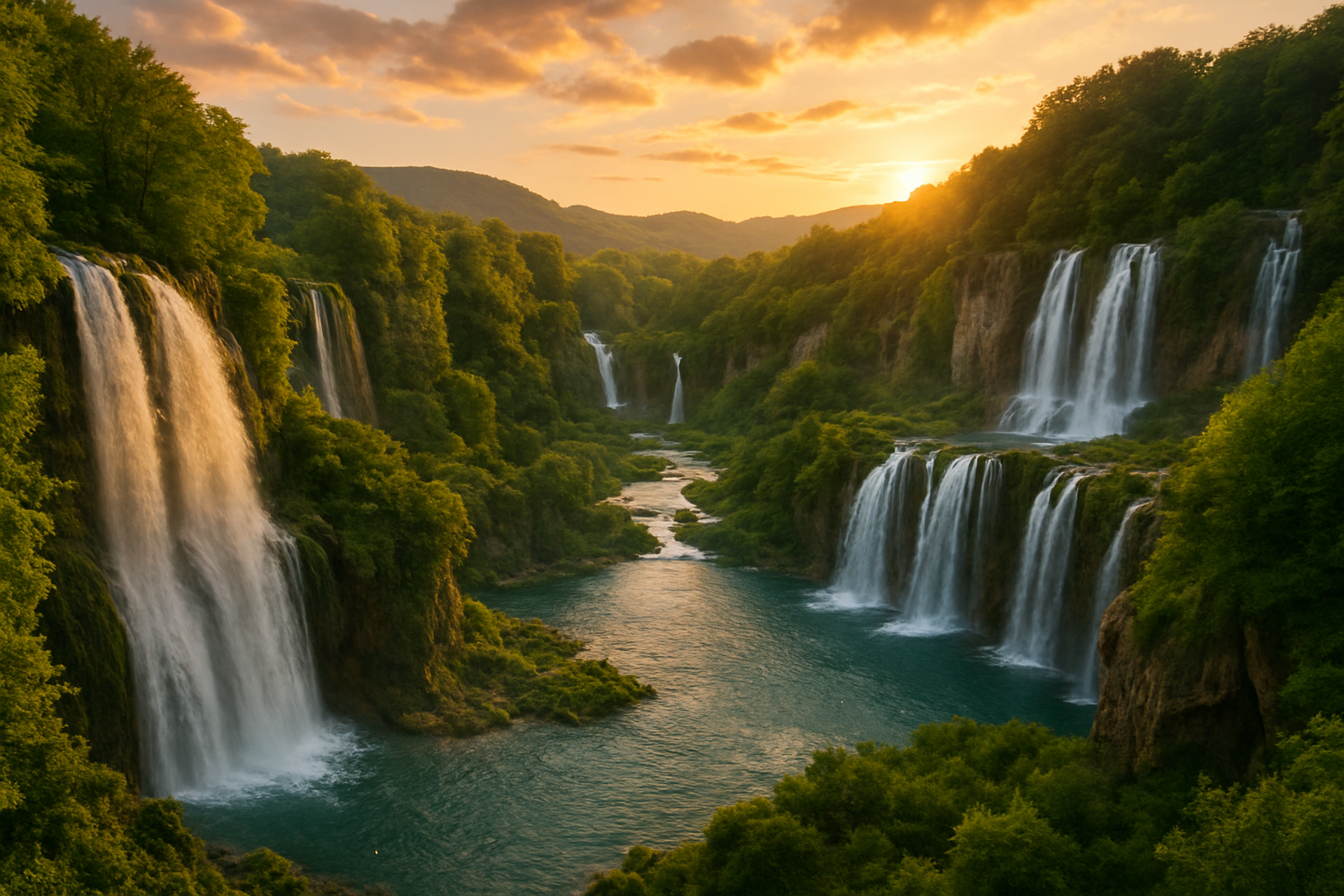
Plitvice Lakes National Park is one of Europe’s most iconic waterfall landscapes. The waterfalls spill into turquoise lakes and connect like a chain of glimmering scenes. Because the park is layered with viewpoints, you’ll keep discovering new angles.
What makes Plitvice look unreal is the color. The water shifts from pale green to deep blue as you move around. Even on cloudy days, the scenery stays stunning.
Best time to visit: Shoulder seasons for fewer crowds and comfortable walking.
Don’t miss: The boardwalk sections and the upper lake viewpoints.
If you love dramatic landscapes, you’ll also enjoy 15 viewpoints in Europe that will leave you breathless. Plitvice pairs perfectly with that “one more view” mindset.
5. Rhine Falls, Switzerland (Massive power with an easy visit)
Rhine Falls is the largest waterfall in Europe by volume. That alone makes it a bucket-list stop. However, it’s also surprisingly approachable for travelers who want big scenery without extreme hiking.
From viewpoints along the river, you’ll see water exploding into mist and foam. There are also boat options that bring you closer to the action. Then, as you step back, you’ll notice how the surrounding cliffs frame the entire spectacle.
Best time to visit: Anytime, though spring often brings strong flow.
Bring: A poncho if you take a boat ride.
6. Gullfoss, Iceland (A golden-hour classic in disguise)
Gullfoss, also called the Golden Falls, is pure drama. When the light is right, the mist catches the sun and the falls look almost cinematic. You’ll hear the roar before you see the full drop.
One of the best parts is how the scenery changes as you move along different viewpoint platforms. You get layered perspectives—wide river, twisting gorge, and the final plunge. Altogether, it feels like the landscape is unfolding in chapters.
Best time to visit: Winter for a colder, moodier look. Summer for clearer views.
Pro tip: Check weather updates. Wind can affect your ability to see well.
7. Detian Falls, China? (No—let’s stay Europe-only!)
Quick reality check: Detian Falls is famous, but it’s outside Europe. Since you asked for waterfalls in Europe that look absolutely unreal, we’re staying on track. So let’s keep traveling across the continent with even more breathtaking drops.
Here’s where things get even better—because Europe has plenty of waterfalls that feel like hidden worlds.
7. Kaskad Falls at Kvernufoss? (Let’s choose a true European stunner)
Let’s go with a waterfall that truly delivers in Europe: Skógafoss, Iceland. Skógafoss is one of the country’s most recognizable falls, yet it never feels ordinary. Water drops in a wide curtain, and the mist makes the air feel soft around you.
Also, the scale is what gets you. It’s wide enough that the roar fills the whole horizon. Meanwhile, the surrounding cliffs and grassy plains make it feel both ancient and vivid.
Best time to visit: Anytime, but sunrise and sunset often bring magic.
Bonus: Climb nearby steps for a higher viewpoint over the river valley.
8. Wasserfall bei Triberger? No—go iconic: Triberger Wasserfälle, Germany
Triberger Waterfalls in Germany’s Black Forest are a delight for travelers who love storybook scenery. These falls cascade in multiple steps through a dense woodland. The forest path feels like you’re walking through a living fairytale.
Triberger is especially charming because the waterfall journey is gradual. You get several viewpoints along the way, so the experience stays interesting even before you reach the biggest drop. Plus, the Black Forest atmosphere is perfect for photos.
Best time to visit: Autumn for moody light, or after rainfall for extra flow.
Pair it with: A cozy café stop nearby. The whole region is built for slow travel.
9. Plitvice’s “beyond unreal” alternative: Morača River waterfalls near Durmitor, Montenegro
If you want a more rugged, less touristy feel, consider Montenegro’s Durmitor region. Water cascades through canyon-like terrain, creating dramatic drops and misty pockets. Here, the scenery feels wilder and more raw.
What makes this area look unreal is the combination of stone and water. The river threads through rocky landscapes with a natural force that feels unstoppable. Meanwhile, the surrounding mountains add depth and scale.
Best time to visit: Late spring and early summer for good weather.
Travel style: Go for half-day hikes rather than rushing a single viewpoint.
10. Manavgat Side Falls? Let’s close with a northern beauty: Morskie Oko Waterfall? (Better: Stuibenfall, Austria)
To finish strong, let’s head back to Austria for a waterfall that feels like it was engineered for spectacle: Stuibenfall in Tyrol. This is often described as one of Europe’s highest and most impressive falls by height. When the water surges, it drops with an intense presence.
It’s also great for people who want a viewpoint-friendly experience. You can enjoy the falls without needing to go too far off the beaten path. Because the area is mountainous and green, the waterfall looks even more vivid.
Best time to visit: Spring to autumn, depending on seasonal flow.
Pro tip: Plan your timing around clear weather. The contrast helps photos pop.
How to Plan a Waterfall Day (So You Actually Enjoy It)
Waterfalls are magical, but a little planning makes them even better. Start by deciding what you want most: big volume, easy access, or a quieter atmosphere. Then, build around walking time, viewpoint options, and weather.
Here’s a simple game plan that works across Europe.
- Check flow seasonality: After rain, many falls look dramatic. In drought periods, prioritize mist-heavy locations.
- Choose viewpoints strategically: Arrive early for clearer light and fewer crowds.
- Wear the right shoes: Wet rocks are slippery. Comfortable grip matters more than style.
- Bring a light layer: Mist cools the air quickly. Even warm days can feel chilly near waterfalls.
- Leave room for “wander time”: Many waterfall trails have hidden mini-scenery.
Want to turn your waterfall trip into a full-on adventure? Pair these stops with these trails in Europe are worth every single step. Waterfalls and hikes often go together like coffee and sunshine.
Best Seasons for Unreal Waterfalls in Europe
Timing can change everything. Some falls are strongest in spring snowmelt, while others shine after summer rain. Meanwhile, winter can turn waterfalls into misty, cold-weather spectacles.
Here’s a quick guide that keeps your planning simple.
- Spring: Often strong flow from thawing snow and fresh rainfall.
- Summer: Long daylight and easier travel days.
- Autumn: Golden light, cozy hiking conditions, and fewer crowds.
- Winter: Frosty atmosphere and dramatic mist, but weather can be harsh.
Key Takeaways
- Europe’s most unreal waterfalls range from Icelandic giants to Alpine cascades and forest gems.
- Plan around weather, viewpoint access, and walking time for the best experience.
- For even more inspiration, pair waterfalls with top European viewpoints and scenic trails.