15 Hidden Waterfalls in Europe That Feel Magical
If you’ve ever wished Europe had a few more “secret doors,” I’m with you. Hidden waterfalls are that exact magic—quiet places, unexpected sounds, and misty views that feel almost unreal. Instead of the usual crowded hotspots, these falls are tucked into forests, valleys, and mountain corners. Therefore, you can hear birds first, water second, and your own footsteps last.
This guide is for travelers who want wonder without the chaos. We’ll explore 15 hidden waterfalls across Europe, with practical tips to help you plan. Plus, I’ll share the best seasons, easy ways to reach them, and what to expect when you arrive.
Ready to wander? Let’s chase that magical roar.
1. Giessbach Waterfalls, Switzerland (Beneath the Lakeside Forest)
Giessbach Waterfalls drop dramatically in tiers, framed by green slopes and old Belle Époque charm. While Switzerland does get visitors, this area still feels surprisingly tucked away. The sound is immediate, and the air cools as you get closer.
To make it feel extra magical, visit in shoulder season. The mist softens the view, and the surroundings look painted. In addition, the lakes nearby add reflections that glow in late afternoon light.
Best time to visit: May to October.
Look for: layered cascades and viewpoints from the lakeside trails.
2. Cascate del Toce, Italy (The Wild Rhythm of the Valley)
Deep in northern Italy, the Toce River area offers a rugged, untamed waterfall experience. It’s the kind of place where the landscape looks powerful first, then beautiful second. Consequently, you’ll feel like you’ve stepped into a natural film set.
The hike approach varies by season and trail conditions. Still, the reward stays consistent: strong water, dramatic rock textures, and a sense of distance from everyday life.
Best time to visit: Summer and early autumn.
Look for: fast-moving water after rain or snowmelt.
3. Krimmler Wasserfälle, Austria (When the Mountains Keep Secrets)
Krimmler Wasserfälle are famous in the region, yet many visitors never venture fully into the smaller viewing areas. Therefore, you can still find quieter moments. The falls are massive, but the atmosphere feels personal once you’re surrounded by forest paths.
Bring a light jacket even on warm days. Water mist drifts far, and the air can feel chilly. Also, sunrise or late afternoon tends to create softer lighting on the rock faces.
Best time to visit: June to September.
Look for: the highest-volume feel during peak melt.
4. Levada Waterfalls, Madeira (Portugal’s Emerald Secret)
Madeira is already known for its dramatic scenery. However, the true magic is found along levadas—water channels carved into cliffs. In several spots, water gathers into mini waterfalls that appear suddenly around corners.
One of the best parts? You often hear the water before you see it. Then, the view opens like a gift: mossy stones, bright greens, and a splash you can feel.
Best time to visit: April to October.
Look for: levada hikes with short waterfall bursts.
Want more cliffside wonder? Take a look at 10 Coastal Views in Europe That Feel Unreal.
5. Kjosfossen Waterfall, Norway (A Village View That Feels Like a Postcard)
Kjosfossen is one of Norway’s most charming falls, and it’s tucked into a landscape that feels carefully designed by nature. The waterfall drops near the fjord, making the scene feel staged—yet it’s fully real. In addition, the surrounding farms and greenery help it feel warm and welcoming.
If you’re photographing, aim for calm water conditions. When the fjord reflects light, the entire scene becomes more dreamlike. Meanwhile, on breezy days, you’ll catch a misty sparkle around the falls.
Best time to visit: Late spring to early autumn.
Look for: fjord reflections and viewpoints from nearby paths.
6. Vodopády Hluboký (Hidden Falls of the Czech Highlands)
In the Czech Highlands, some of the smaller waterfall routes feel like a quiet treasure hunt. Hluboký-style cascades are often reached via woodland trails and short detours. Therefore, you can enjoy nature without needing a full day of effort.
The most rewarding moments happen when you pause. Let the water rhythm soak in. Then notice the tiny details—lichen on rocks, ferns in shade, and birds weaving through branches.
Best time to visit: Spring and autumn.
Look for: easy trail access with forest atmosphere.
7. Barranco Waterfalls, Spain (Secret Steps in the Green Mountains)
Spain has waterfall magic beyond the typical tourist map. In certain green mountain regions, you can find cascading water that feels tucked behind the landscape. When the path curves just right, the waterfall appears like an invitation.
Because routes can be seasonal, check local trail updates. Also, comfortable shoes matter—rocks and slick edges are part of the experience. Still, once you’re there, the payoff feels completely worth it.
Best time to visit: After rains or in late spring.
Look for: hidden cascades in shaded valleys.
8. Waterfall of Plitvice’s Quiet Corners, Croatia (Where the Green Breathes)
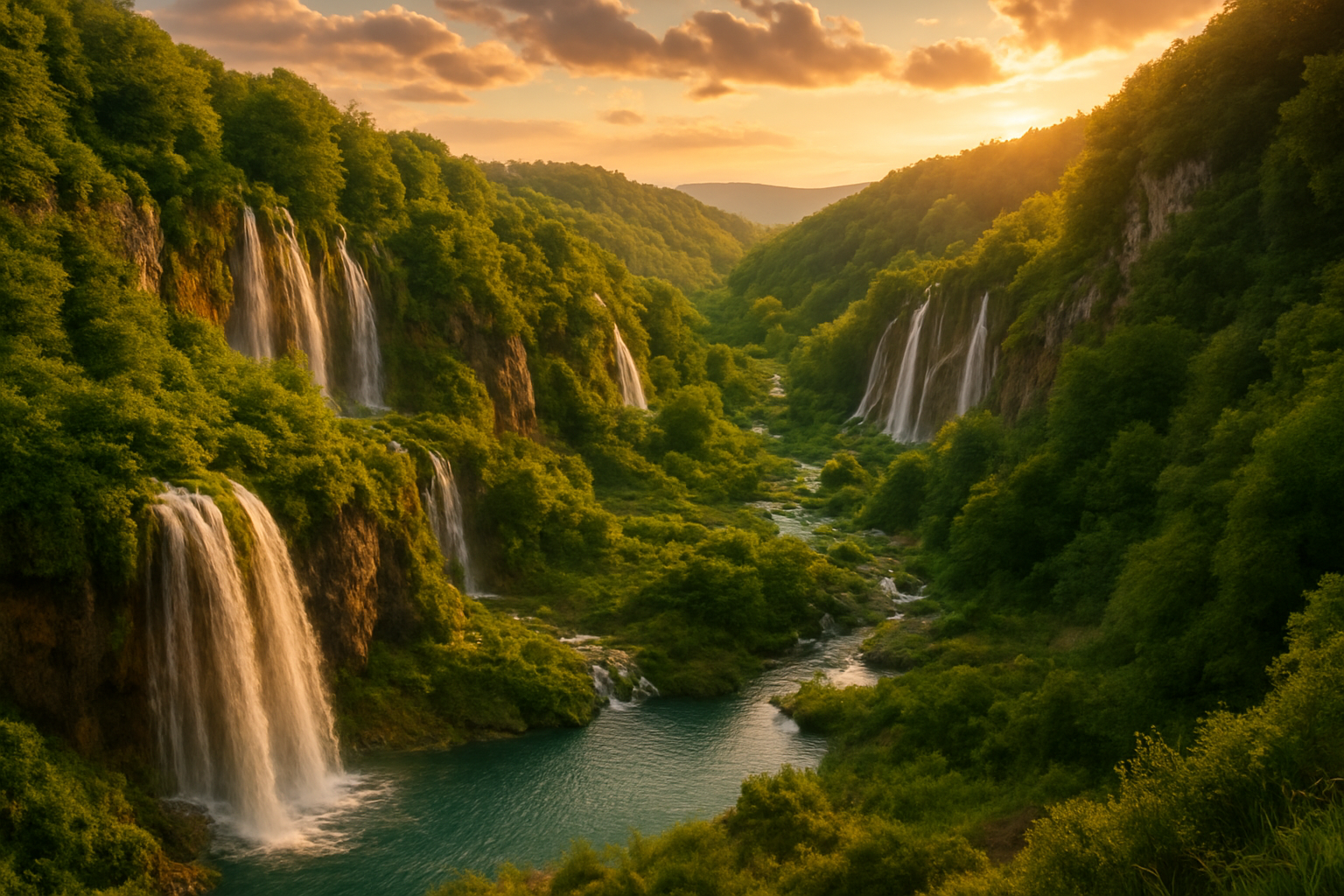
Plitvice National Park is well-known. Yet, the “magical” feeling grows when you slow down and explore less-trafficked walkways. Some cascades are framed by quieter stretches of lakes and forest.
Plan for early entry or later afternoon. In those windows, the reflections soften and the crowds thin. As a result, you’ll get that cinematic hush that travelers chase.
Best time to visit: April to June, and September to October.
Look for: tranquil trails and mist over limestone.
If you love nature soundtracks, you’ll also enjoy 10 Rivers in Europe That Look Like Magic.
9. Cascades de Saint-Saturnin, France (Moss, Stone, and Soft Light)
France has waterfalls that feel gentle and storybook-like, especially in shaded regions. Cascades near small villages can be reached with short walks. Consequently, you can combine a romantic stroll with a full “wow” moment.
The magical element here is texture. Expect mossy stone and water that seems to glow under soft light. Therefore, it’s perfect for travelers who love slow photography and peaceful walks.
Best time to visit: March to May.
Look for: woodland cascades with calm, mossy scenery.
10. Skógafoss’s Secret Trails Nearby, Iceland (Beyond the Main View)
Skógafoss is famous, but you can still experience magic by exploring nearby trails and alternative viewpoints. You’ll trade the biggest viewpoint for calmer edges and different angles. Additionally, the waterfall’s mist creates rainbows on bright days.
Bring waterproof layers. Iceland weather changes quickly, and you’ll feel it close to the falls. Then, when you step back from the main path, the surroundings feel more intimate.
Best time to visit: Summer for long daylight, winter for moody skies.
Look for: rainbow moments and quieter overlook angles.
11. The Hidden Falls of Val d’Orcia, Italy (Tuscan Wonder in the Wild)
Tuscany isn’t only about vineyards. In parts of Val d’Orcia, you can find waterfall pockets that feel unexpected. The landscape shifts from soft hills to rugged water corridors, creating a surreal contrast.
This destination works especially well if you love road trips. You can pair a waterfall stop with scenic drives and small-town meals. As you approach, you’ll hear water before you see it.
Best time to visit: September to November.
Look for: a countryside-meets-wild-water vibe.
12. Plitvice’s Sister Lakes Routes, Croatia (Lesser-Known Waterfall Walks)
If you enjoyed the earlier Plitvice section, you’ll likely love “lesser-known” routes within the park. Some sections offer fewer crowds and different water textures. Therefore, you get variety without leaving the region.
Early planning helps. Choose paths that match your energy level. Then bring a small snack and give yourself time for the best pauses.
Best time to visit: Midweek, and outside peak summer.
Look for: quieter cascades and lake reflections.
13. Kaltwasser Waterfalls, Germany (A Forest Retreat You Can Hear)
In parts of Germany’s forested regions, waterfalls can feel like nature’s secret breathing. Kaltwasser-style cascades often sit within walking distance of trailheads. This makes them ideal for travelers who want magic without a complicated plan.
After rain, the falls become richer and more powerful. Yet even on gentler days, the water’s clarity makes it feel refreshing. Moreover, the forest shade makes warm weather feel manageable.
Best time to visit: Rainy seasons and early autumn.
Look for: forest shade and clear, cool water.
14. Verzasca Valley Waterfalls, Switzerland (Sapphire Water with a Secret Drop)
The Verzasca Valley is famous for turquoise water. However, the waterfall magic happens when you explore beyond the most obvious stops. In some areas, hidden cascades appear along short paths and side routes.
Then, the contrast becomes unforgettable. You go from calm, blue river scenes to sudden, rushing water. That shift feels like a story turning page by page.
Best time to visit: June to September.
Look for: sapphire river scenes plus short waterfall surprises.
If you’re into dreamy nature viewpoints, you might love 15 Viewpoints in Europe That Will Leave You Breathless.
15. Waterfall Staircases in the Carpathians, Romania (Where Nature Feels Untamed)
The Carpathians bring a rugged, adventurous feeling. Waterfall staircases tucked into mountain trails can feel almost mythic. As you climb, the sounds layer on top of each other—birds, wind, and falling water.
This is ideal for travelers who want a little effort for a lot of wonder. Pack snacks, bring a map offline, and expect slower hiking. Yet when you reach the cascade, the view feels like a reward you earned.
Best time to visit: June to October.
Look for: stepped cascades and sweeping forest valleys.
How to Choose the Best Season for Hidden Waterfalls
Waterfalls don’t behave the same way all year. Therefore, the season shapes the mood. In spring, water often surges with melt and rain. In summer, flows are steady, and trails are usually easier.
Autumn can be spectacular, too. Leaves add color, and crowds often thin out. Winter can be breathtaking, especially if you enjoy misty atmospheres and icy edges.
Here’s a simple seasonal cheat sheet:
- Spring: powerful water, lush greenery, slippery trails.
- Summer: long daylight, easier hikes, brighter viewpoints.
- Autumn: fewer visitors, colorful forests, crisp air.
- Winter: dramatic mist and ice, but check access carefully.
Practical Tips for Magical Waterfall Visits
Even “hidden” waterfalls require smart planning. First, wear shoes with strong grip. Many paths near falls are rocky and damp.
Second, bring a small rain layer. Mist counts as weather. Also, pack a microfiber towel or quick-dry cloth for camera gear.
Finally, respect the environment. Stay on trails, avoid climbing on slippery rocks, and carry out all trash. When you treat nature kindly, it rewards you with quieter magic.
Quick checklist:
- Wear non-slip footwear.
- Check local trail conditions before you go.
- Bring water and a light snack.
- Use a waterproof phone or camera cover.
Key Takeaways
- Europe’s hidden waterfalls feel magical when you visit in the right season and explore beyond main viewpoints.
- Choose trails based on your comfort level, and always plan for mist, slick rocks, and changing weather.
- Pair waterfall stops with scenic drives, lakes, and viewpoints for a full-day “wow” itinerary.