These Trails in Europe Will Change Your Perspective
Pack your curiosity. These Europe hiking trails reshape how you see landscapes, time, and even yourself.
Quick Overview
- Choose trails that reward you with views, silence, or “wow” surprises.
- Follow simple hiking habits to stay comfortable and present.
- Let each step lead you into a new perspective—literally.
Why Trails in Europe Change More Than Your View
There’s something about hiking in Europe that feels personal. You start with a plan, yet the trail keeps rewriting it. By the time you reach a viewpoint, your mind has slowed down. Suddenly, you notice details you usually miss.
Europe is packed with paths that cut through dramatic coastlines, quiet forests, and ancient hills. Plus, many trails connect small towns to wild places. That means your day can include both culture and wilderness. Even better, you can choose your “perspective” theme.
For instance, some hikes make you feel tiny beneath cliffs. Others make you feel like a local following river routes. Meanwhile, coastal trails remind you how wide the world is. Finally, hidden waterfalls and viewpoints turn ordinary weekends into stories.
The Perspective-Changing Trails You Should Hike Next
Below are trail styles that consistently deliver that “wait—how is this real?” feeling. Each one is the kind of hike that changes how you interpret distance, color, and light. Also, these ideas work year-round with minor adjustments.
1) Coastal Trails That Widen Your World
Coastal hikes are perspective experts. The ocean sets a horizon line, and your brain finally relaxes. Waves rhythmically repeat, and your worries lose their sharp edges.
Look for trails with viewpoints and short spur paths. That way, you can enjoy sweeping panoramas without exhausting yourself. Additionally, coastal routes often stay accessible even when inland weather changes.
If you love coastal energy, consider pairing your plan with 15 Coastal Trails in Europe That Are Absolutely Stunning. It’s a great way to build a “choose-your-own-adventure” itinerary.
2) River and Valley Trails That Feel Like Time Travel
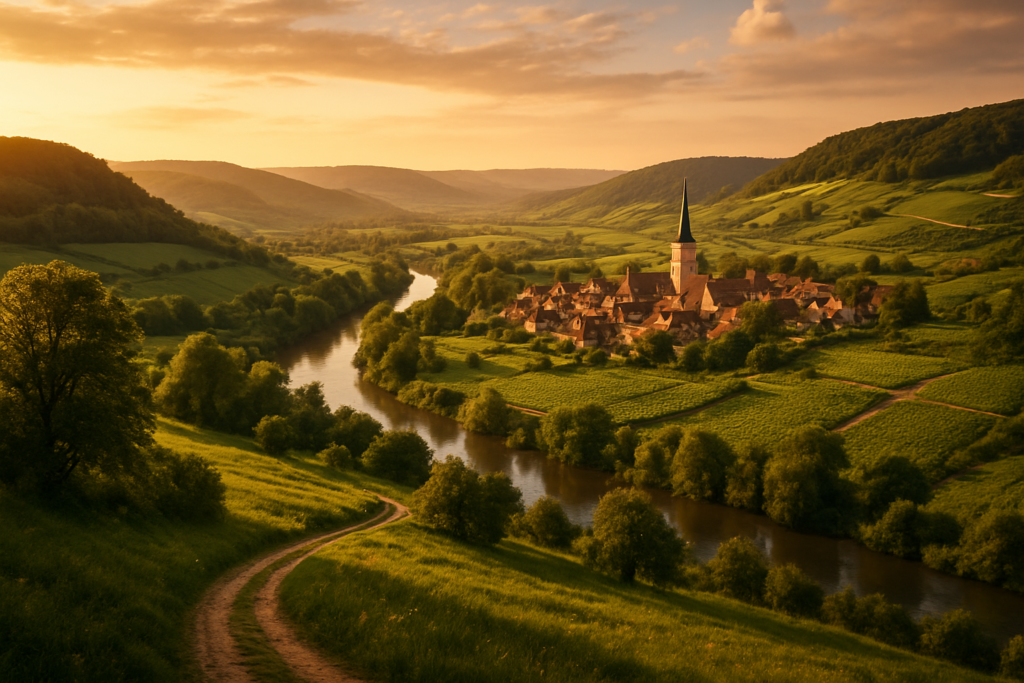
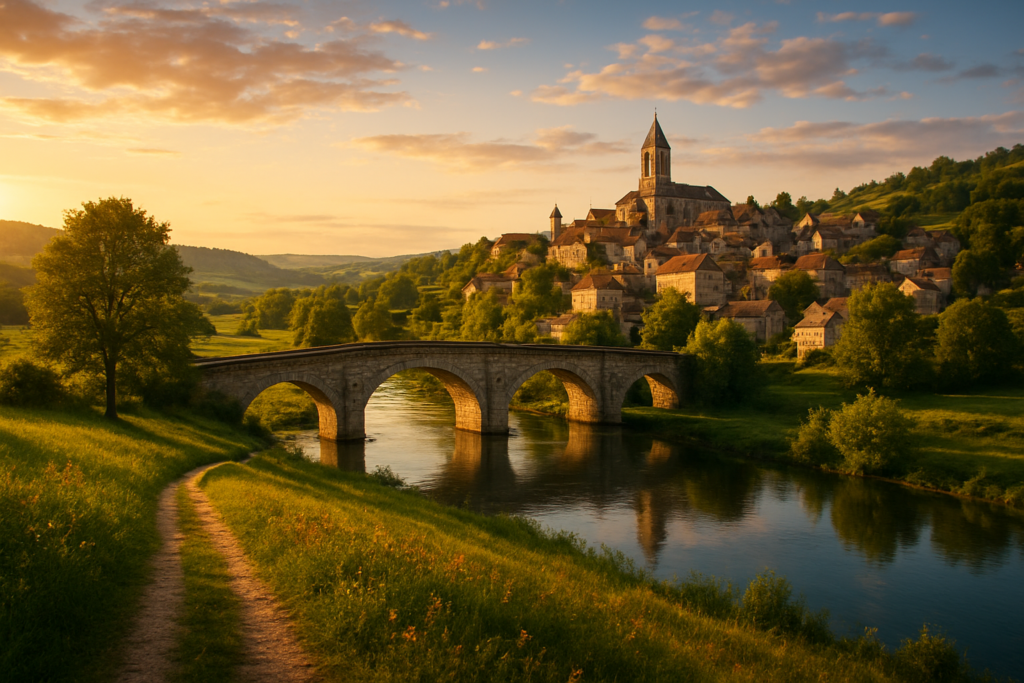
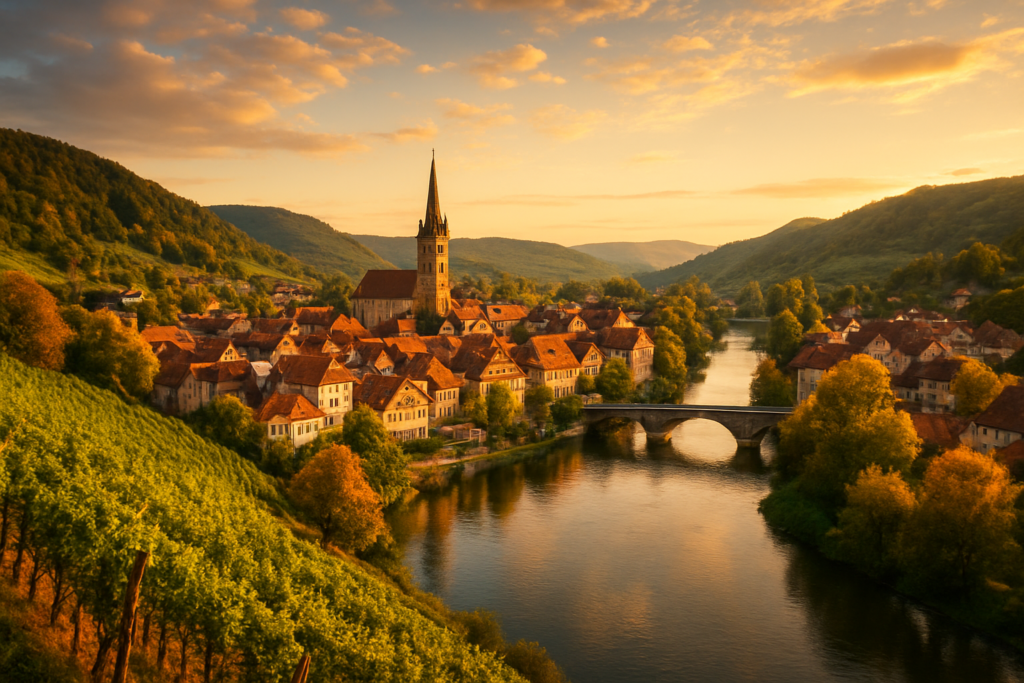
River walks can be gentle, but they still transform your perspective. Following water is calming, and the landscape gradually reveals its layers. You start noticing how bridges align with mountains. Then you notice how seasons change the same path.
In particular, some European rivers carve deep valleys that look almost unreal. If you want a more dreamlike vibe, explore These Rivers in Europe Look Like They’re Fake. Those photo-worthy corridors often include easy-access trails.
Even a short route along a river can feel bigger than it is. That’s the magic of perspective: you feel expansive even when you’re walking locally.
3) Waterfall Trails That Make You Believe Again
Waterfalls have a way of rewriting your mood. You arrive thinking “I’ll just take a look.” Then you stand near misty rock walls and feel truly present. The sound is immersive, and the spray resets your senses.
Choose trails with multiple viewpoint stages. That way, you can watch the waterfall change from afar to up close. Moreover, mist often softens your surroundings and makes everything feel cinematic.
If you want inspiration for waterfall-heavy days, check out 10 Waterfalls in Europe That Look Absolutely Unreal. It’s perfect for building a rainy-day plan too.
4) Hidden Viewpoint Trails That Reward Patient Feet
Viewpoint hikes are the best match for travelers who love “one more turn.” You start climbing with anticipation, yet the hardest part is waiting. Then suddenly the trail opens and the world rearranges itself.
The key is to pick routes with payoff. That could be a ridge, a cliff edge, or a valley overlook. Additionally, many viewpoint trails pass through forests or old stone paths. So even the “in-between” moments feel meaningful.
Want more ideas? Explore 10 Secret Viewpoints in Europe Worth Every Step. It’s a reminder that Europe hides magic in plain sight.
5) Forest and Ridge Hikes That Help You Breathe
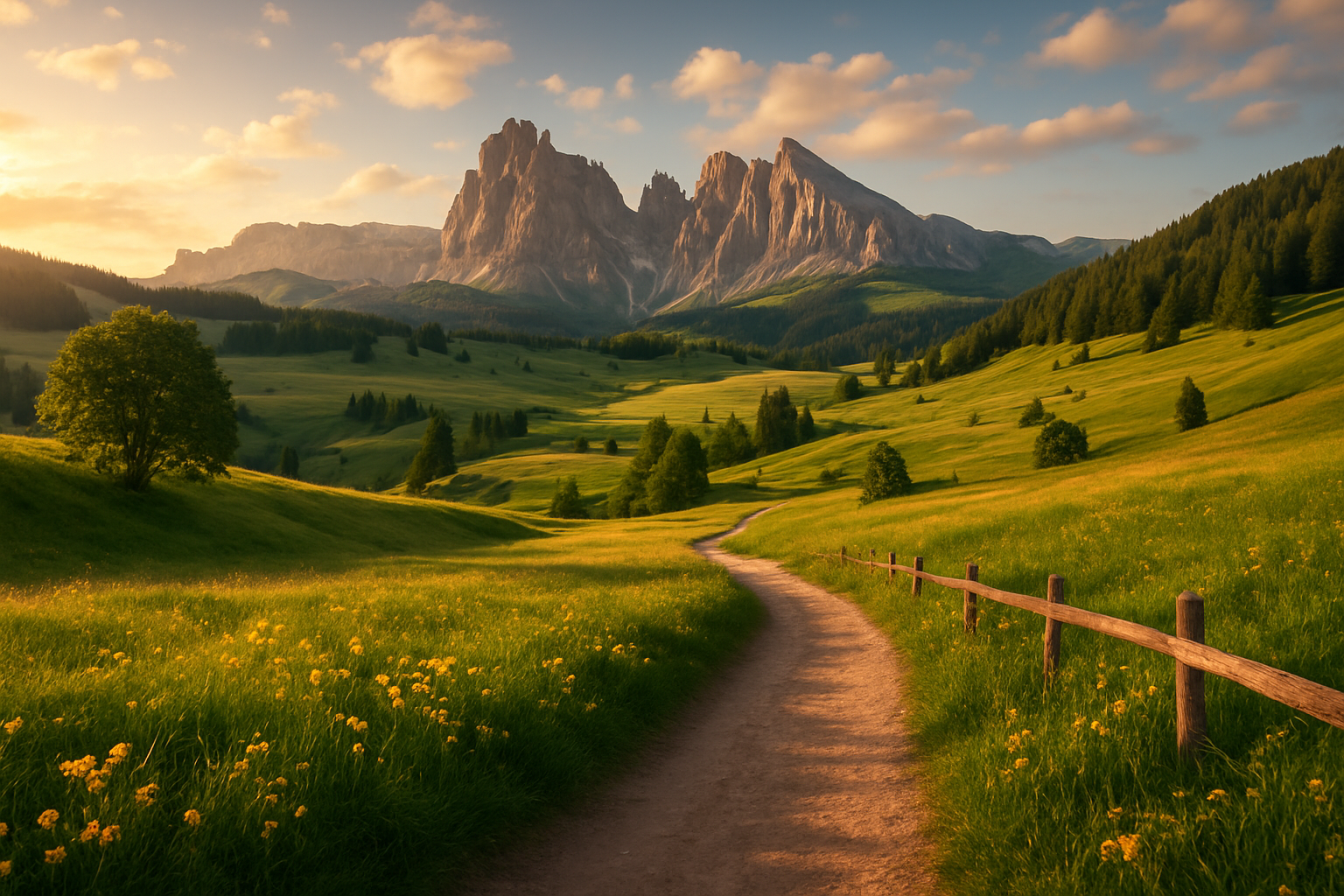
Not every perspective change needs drama. Sometimes you need quiet. Forest hikes offer that instantly. Tall trees filter sunlight into soft beams, and your mind gets room to wander.
Meanwhile, ridge trails bring a different type of calm. Wind moves through open areas, and you feel connected to weather. As a result, you start noticing your own rhythm—breathing, stepping, and looking.
Also, ridge routes often provide repeatable “micro-viewpoints.” You can stop often, take photos, and still feel like you progressed.
How to Choose the Right Trail for the Perspective You Want
Before you lace up, decide what you need from the day. Then match the trail to that intention. This tiny planning step makes hikes feel purposeful, not random.
How It Works / Steps
- Pick your mood: wide-open wonder, quiet healing, or adrenaline sparks.
- Choose a reward: cliff views, river mirrors, or waterfall mist.
- Check elevation: aim for manageable climbs unless you’re training.
- Plan for time: leave buffer for slow moments and photo stops.
- Pack smart: water, layers, trail snacks, and a rain layer.
- Hike with attention: notice textures, sounds, and light changes.
What to Pack (So the Trail Feels Easy)
You don’t need a commercial-grade kit. However, a few items make a big difference. The goal is comfort, safety, and flexibility for sudden weather shifts.
- Comfortable shoes: grips matter on rocks and wet steps.
- Layers: mornings can be cool, afternoons warm.
- Water: bring more than you think you’ll need.
- Snacks: something salty and something sweet helps energy.
- Small towel or wipes: surprisingly useful after misty viewpoints.
- Light rain shell: Europe’s weather changes fast.
- Offline maps: trails can signal inconsistently.
Next, use a simple pace strategy. Start steady, then adjust after the first climb. Also, rest early when you still feel fresh. That way, you enjoy the viewpoint instead of rushing through it.
Make the Hike a Story: A Simple “Perspective Practice”
Here’s a fun trick I swear by. Before you start, pick one question. It can be silly or deep. For example: “What do I notice now that I ignore at home?”
Then, as you hike, collect small observations. It could be bird sounds, cloud shadows, or moss patterns. Finally, when you reach the viewpoint, take a photo and write two lines. That’s it.
Later, you’ll remember more than the landmark. You’ll remember how it felt to see the world differently.
Examples: What a “Perspective Day” Looks Like
Let’s turn ideas into scenes. These examples show how to structure your day. Adjust the distances based on your fitness and time.
Example A: Coastal Wonder Morning
Start early for softer light and fewer crowds. Then follow a cliffside section toward a landmark viewpoint. After that, take a short detour to a hidden cove.
Finally, finish with lunch in a nearby fishing town. The ocean horizon will still be in your head as you walk streets.
Example B: River Calm and Village Charm
Begin with an easy river path through leafy corridors. Along the way, look for bridges and old mills. Next, pause for a snack and let the sound of water slow you down.
Afterward, visit a nearby village. Grab coffee, then stroll a small square. You’ll feel surprisingly grounded.
Example C: Waterfall Afternoon Reset
Pick a trail with multiple viewpoints. Start with an upper perspective for orientation. Then descend toward the mist zone.
Finally, end with a sunset-friendly return route if time allows. The waterfall echo will make you feel like you traveled farther than you did.
Example D: Ridge Climb and Breathless Views
Choose a ridge path that lets you pause often. As you ascend, watch clouds shift across the valley. That changing light becomes its own show.
Then take your main photo when the landscape looks “layered.” It’s not just a view. It’s a new way of understanding space.
FAQs
Are these trails suitable for beginners?
Many European trails have routes for all levels. Choose shorter stages, focus on easy footing, and check elevation gain. If you’re new, prioritize well-marked paths near towns.
When is the best time to hike for amazing perspectives?
Late spring and early autumn are often ideal. You get comfortable temperatures and dramatic skies. However, coastal hikes can be great year-round with the right layers.
Do I need a guide or special gear?
Most popular trails are doable without a guide. Still, bring offline maps and pay attention to trail markers. Special gear is usually only necessary for technical routes.
How do I avoid crowds on famous trail sections?
Start early and choose less-known side branches. Also, hike midweek when possible. You can still enjoy views by moving off the main loop.
Key Takeaways
- Choose trails based on the feeling you want, not just the photo.
- Coastlines, rivers, waterfalls, and viewpoints each change perspective differently.
- Plan a little, pack simply, and hike mindfully for maximum impact.
- Your best memory may be the moment between viewpoints.
Conclusion
Europe’s trails don’t just lead to landmarks. They lead to a new mindset. One steep climb can make you stronger, while a gentle river path can make you lighter.
So pick a route that matches your mood. Then walk it slowly enough to notice the world shifting. Trust me—when you reach that final overlook, you’ll feel it.
And when you’re ready for more inspiration, keep exploring. The next trail is already waiting to change your perspective.