What to Expect on Your First Train Journey in Europe
There’s something wonderfully cinematic about arriving by train in Europe. The stations feel grand, the countryside slides past like a postcard, and every stop feels like a tiny adventure. However, your first ride can also feel a bit mysterious. Don’t worry, though—this guide will help you feel confident from platform to final destination.
In this article, we’ll walk through what to expect on your first train journey in Europe. You’ll learn how European train travel works, what the station experience is like, and how to handle tickets, luggage, and onboard etiquette. Plus, you’ll find practical tips that make the whole trip smoother and more fun.
What is train travel in Europe like?
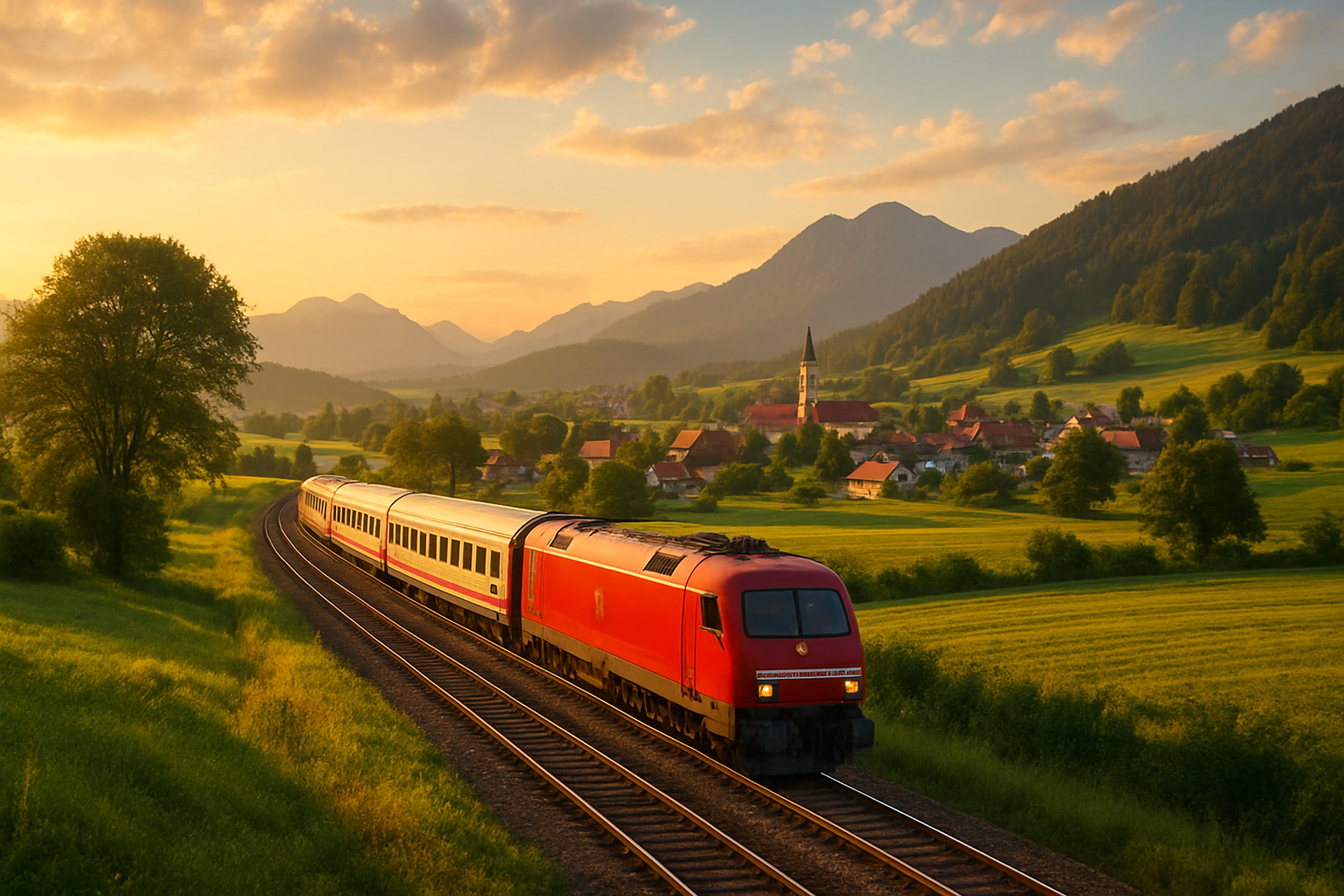
Train travel in Europe is often efficient, scenic, and surprisingly comfortable. Many routes connect major cities and charming towns with frequent departures. Because networks are well developed, you can usually travel without renting a car.
Also, trains vary by country and route. You might ride a high-speed bullet train for long distances, or a cozy regional train for shorter hops. Either way, you’ll generally experience reliable timetables and clear signage.
Most importantly, the “vibe” is different from flying. You can arrive closer to departure, enjoy the views from your seat, and settle into the journey right away. If you’re craving more inspiration, check out these European trails will make you fall in love for nature-focused ideas after your next station stop.
How does a first train journey in Europe work?
Let’s break the process into simple steps. You’ll follow a clear flow: book your ticket, find your platform, board the train, and enjoy the ride. Then, you’ll exit smoothly at your arrival station.
1) Booking your ticket and choosing the right train
Before you even reach the station, you’ll make a few decisions. You’ll usually choose between high-speed, intercity, or regional options. High-speed trains are often faster, while regional trains may stop more often.
When booking, you may see terms like “reserved seating” or “seat number.” Some tickets require reservations, especially on popular routes. Meanwhile, other tickets are more flexible and use unreserved seating.
2) Understanding timetables and departure time
European trains generally run on strict schedules. That means being early helps. A good rule is arriving 20–30 minutes before departure for major stations.
Additionally, keep an eye on departure boards. Platforms can change, especially during busy travel days. Still, station screens usually update quickly.
3) Boarding: validating and scanning your ticket
Here’s where first-timers often feel nervous. In some countries, you just show your ticket or QR code. In others, you must validate it using a machine near the platform.
For example, regional trains in certain places require validation to confirm your travel date. Meanwhile, reserved tickets often don’t need validation. To avoid surprises, read your ticket instructions carefully before you leave.
4) Finding your seat (or knowing where you can sit)
Seat-finding depends on your ticket type. If you have a reservation, look for your carriage number and seat designation. Then, match it to the signage inside the train.
If your ticket is unreserved, you can typically choose any available seat. However, you should still be mindful of luggage areas and priority seating zones. In busy seasons, seats can fill quickly.
5) Onboard experience: what the ride actually feels like
Once you board, you’ll notice how the train environment supports calm travel. Many cars have comfortable seating, overhead racks, and clear interior lighting. Often, staff will speak English, especially on major routes.
During the journey, you’ll hear announcements and watch route screens. Some trains offer Wi-Fi, power outlets, or dining services. Even when services are limited, the journey itself is part of the fun.
What to expect at the station on your first day
Stations can look intimidating at first glance. They’re large, busy, and full of signs. Yet they’re designed for flow, and you can navigate them with a few simple moves.
Here’s what the station experience usually looks like:
- Clear departure boards with platform numbers and times.
- Ticket checks before you board on some routes.
- Walking routes marked with arrows and line indicators.
- Announcements that confirm platform changes.
- Shops and cafés for a quick snack before departure.
Also, plan your bathroom break early. Long lines can form near departure time. Then, you’ll feel more relaxed once you’re settled on the train.
If you like pairing train travel with epic views, you might also enjoy 15 mountain destinations in Europe that feel unreal. Those routes often include scenic rail segments that set the mood instantly.
Tickets, reservations, and common rules (explained clearly)
European train tickets can be simple, or they can feel like a puzzle. The good news is that most rules are consistent within each country. Once you understand the basics, you’ll stop second-guessing every detail.
Reserved seating vs. unreserved seating
Reserved seating means you have a specific seat number. That’s great for groups and long journeys. Unreserved seating means you choose a seat, if one is available.
On popular routes, unreserved tickets can sell out fast. So if you’re traveling during peak season, reservations are a smart move.
Ticket validation basics
If your ticket needs validation, look for machines near platform entrances. You’ll usually stamp the ticket or scan it. Then your ticket becomes “active” for the journey.
If you’re unsure, don’t panic. Ask station staff or check the ticket instructions. A quick question can save time and stress.
Luggage rules and where to place bags
Luggage space varies from train to train. Many cars have overhead racks and luggage areas near doors. If you’re carrying a rolling suitcase, try to place it where it won’t block aisles.
Also, keep essentials accessible. Think water, a phone charger, and a light jacket. Then you won’t have to unpack constantly during stops.
How to pack for your first train journey in Europe
Packing for train travel is a little different from packing for driving or flying. You want comfort, flexibility, and easy organization. Then you can enjoy the journey without constantly searching for your things.
Consider packing like this:
- A small day bag for snacks, a charger, and your travel documents.
- One main bag that fits comfortably in the luggage area.
- Layers because temperatures change with the landscape.
- Reusable water bottle to stay hydrated on the go.
- Travel snacks so you’re covered if dining options are limited.
Another pro tip: bring a compact tote or pouch. It makes it easier to grab items during station stops. Plus, it helps if you need to relocate your bag to different storage spaces.
Is train travel more comfortable than flying?
It often is—especially for short to medium distances. Train travel lets you skip many airport steps. You usually arrive closer to the station, not miles outside the city.
Here’s a simple comparison:
- Less hassle before departure, depending on your route.
- City-center to city-center travel for many routes.
- Time to relax without security lines and boarding stress.
- Scenery during the entire trip, not just at landing time.
- More flexibility on some regional lines (varies by ticket).
However, flying can be faster for long distances. Yet if you value comfort and views, the train wins often. Ultimately, the “better” option depends on your route and priorities.
Can beginners use European trains confidently?
Absolutely. European trains are beginner-friendly once you follow a few core habits. You don’t need to be an expert traveler to enjoy the experience.
Start with these confidence boosters:
- Double-check your ticket instructions for validation or seat reservation.
- Arrive early for your first station experience.
- Learn basic phrases like “Where is platform…” and “Ticket validation?”
- Keep your phone battery charged for digital tickets and maps.
- Use signage confidently and follow the train number or destination.
Also, remember that train travel rewards curiosity. If you feel lost, staff are usually happy to point you in the right direction. After your first ride, everything becomes easier and more intuitive.
Real-life moments to expect on your first ride
Your first train journey includes small, memorable moments. You might see commuters reading quietly, families settling in, and travelers swapping travel stories. Those details make the ride feel like living the destination, not just visiting it.
Expect these common scenarios:
- Announcements that can be quick, but usually repeat key info.
- Quick station stops where people get on and off efficiently.
- Gentle onboard rhythms like snacking, reading, and charging devices.
- Window views that turn travel time into sightseeing.
- Occasional ticket checks depending on your route.
And don’t forget the best part. When the train pulls out, you’ll feel that shift from planning mode to adventure mode.
Key Takeaways
- European train travel is often efficient, scenic, and beginner-friendly.
- Arrive early and watch departure boards for platform updates.
- Confirm whether your ticket needs validation or seat reservations.
- Pack smart for comfort and easy access to essentials.
- Compared with flying, trains are frequently smoother and more relaxing.
Your first train journey in Europe doesn’t need to be perfect. It just needs to be curious, calm, and ready for surprises. Once you’ve ridden once, you’ll likely start planning your next route immediately—because Europe’s rail network has a way of turning travel into a tradition.