How to Find Hidden Gems While Traveling in Europe
Europe is famous for its grand landmarks. Yet, the magic often hides just off the main road. As a travel blogger for Untamed Continent, I’ve chased those “how is this real?” moments for years. And honestly, they’re the trips you remember most.
In this guide, I’ll show you how to find hidden gems while traveling in Europe. You’ll learn practical methods, easy scouting tricks, and “works every time” planning steps. Plus, you’ll pick up viewpoint-hunting skills that turn ordinary days into unforgettable ones.
Let’s get into it—cheerfully, confidently, and with lots of curiosity.
What are “hidden gems” in Europe?
Hidden gems are places that feel special without needing global hype. They might be quieter villages, underrated viewpoints, small museums, or scenic trails. Sometimes they’re genuinely remote, and sometimes they’re near famous areas. The difference is how you arrive and what you choose to notice.
Instead of chasing “the most photographed,” hidden gems reward “the most explored.” Think fewer tour groups and more local rhythms. You’ll likely spend more time looking at details—doorways, river bends, market stalls, and mountain ridgelines.
Also, “hidden” doesn’t always mean unknown. Many gems are known locally, but not heavily marketed. That’s great news for travelers who like authenticity.
How do you find hidden gems while traveling in Europe?
Finding hidden gems is less about luck and more about strategy. Use a mix of research, timing, and local feedback. Then, let your curiosity lead your schedule, not the other way around.
1) Start with a “base city,” then explore outward
Most travelers pick one city and day-trip everywhere. That’s fine, but hidden gems often live beyond the obvious radius. Choose a base city that has good trains, buses, or regional connections. Then build your plans like a spider web.
For example, if you stay in a major hub, you can discover smaller towns in multiple directions. Meanwhile, you avoid the stress of constant hotel changes. As a result, you’ll feel calmer and more flexible.
2) Search by “vibe,” not by landmarks
Instead of searching “best spots in Europe,” try searching by mood. Use keywords like “quiet,” “overlook,” “old town,” or “river walk.” This method brings up smaller pages and local travel forums.
Here are some vibe-based search ideas:
- “viewpoint near” + the town name
- “sunset” + “walk” + a region
- “hidden waterfall” + a specific valley
- “old village hike” + a mountain area
- “local market” + a weekend day
Then cross-check results across multiple sources. If only one blog mentions a spot, treat it as a lead. If several locals mention it, treat it as a high-confidence plan.
3) Follow viewpoint trails, not just city centers
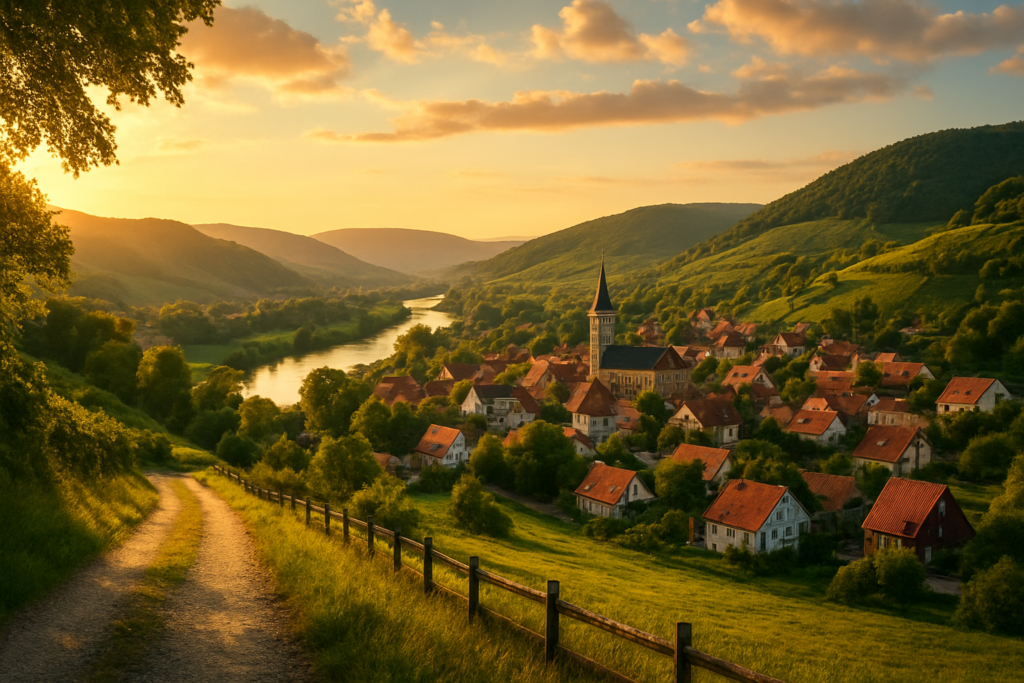
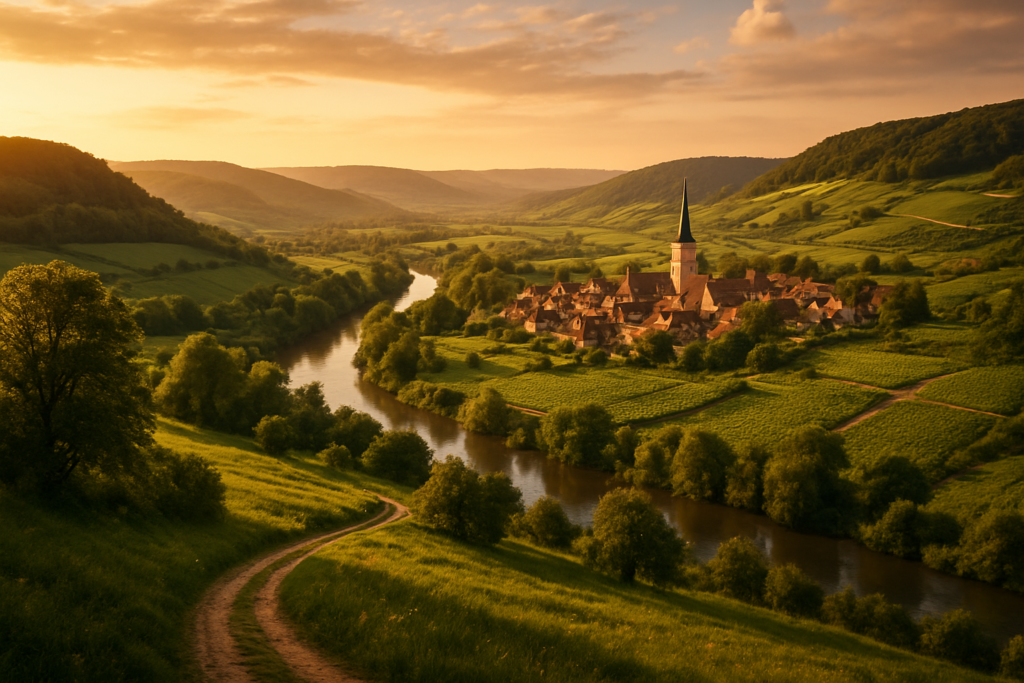
Viewpoints are one of the easiest ways to uncover hidden gems. Often, you just need a short walk up a hill or a scenic road bend. The reward is huge: dramatic skies, local rooftops, and quiet perspectives.
If you enjoy this style of travel, you’ll love 10 Secret Viewpoints in Europe Worth Every Step. It’s perfect for anyone who wants fewer crowds and more “wow” moments.
To find your own, look for phrases like “mirador,” “belvedere,” “panorama,” or “viewpoint.” Then check whether there’s an accessible path. Finally, confirm opening times if the viewpoint is in a fortress or park.
4) Use apps wisely to beat crowds
Planning tools help you find hidden gems faster. They also help you avoid busy times. However, the trick is knowing what to check.
Before you go, confirm the following:
- Public transit routes and last departure times
- Walking routes for scenic segments
- Popular hours for viewpoints and museums
- Seasonal conditions for hikes and waterfalls
Also, use maps to look for “in-between places.” For example, search around riverbanks and coastal edges. Often, the best views sit just beyond the main street.
If you want a tech-forward approach, review 15 Essential Apps Every Europe Traveler Should Use. It’s a great companion for planning routes and finding local information quickly.
5) Ask locals the “third question”
Tourist questions are usually “What’s the best place?” Locals often answer with the obvious thing. So try a different approach. Ask what they do when they have a free afternoon.
Then use this “third question” technique:
- First question: “What do you love here?”
- Second question: “Where do visitors go?”
- Third question: “Where do you go instead?”
You’ll be surprised by the answers. You might get directions to a bakery, a quiet viewpoint, or a low-key trail. Also, locals often know the best times. That alone can change your entire experience.
Why are hidden gems better than standard itineraries?
Hidden gems aren’t just “less crowded.” They create deeper travel memories. When you step away from the main route, you experience place in a more personal way. You might meet shop owners, hear local conversations, or stumble on a festival.
Additionally, hidden gems encourage slower travel. You spend time noticing details instead of checking boxes. That leads to richer photos and better storytelling. And it usually feels more meaningful than rushing from one attraction to another.
Is finding hidden gems better than visiting famous places?
Not at all. Famous places are famous for a reason. They can be breathtaking, historical, and culturally important. Instead, think of it as balance.
Here’s a simple way to plan:
- Choose 1–2 major sights per day or per half-day.
- Add 1 hidden gem in the same direction.
- Keep 2–3 hours flexible for detours.
For example, you could start at a well-known landmark, then continue to a nearby scenic walk. Or you might visit a city museum, then end at a lesser-known viewpoint. The result is a day that feels full, but not frantic.
If you love the “unreal” feeling, you can also explore ideas like 10 Unusual Places in Europe That Feel Unreal. It’s another fun way to hunt for surprising locations without relying on crowds.
Can beginners find hidden gems in Europe?
Absolutely. Beginners just need a framework. You don’t need secret knowledge or advanced survival skills. You need good questions, realistic expectations, and a willingness to be flexible.
Start with short, easy detours. Instead of planning a remote trek on day one, look for nearby quiet spaces. Choose viewpoints with clear directions and moderate walking. Then build confidence before tackling longer hikes.
Also, use “trial plans.” Pick one hidden gem per day. If it’s closed or rainy, you still have a backup nearby. That keeps the trip joyful rather than stressful.
Here’s a beginner-friendly checklist:
- Pick a base area with frequent transit.
- Choose gems with clear access (walkable, signposted).
- Time your visits early morning or late afternoon.
- Check reviews for realistic walking distance.
- Bring a “rain plan” for indoor alternatives.
Finally, remember that “hidden gem” is personal. If a place feels quiet and beautiful to you, it’s a gem. That’s the best part of exploring Europe.
How to plan a hidden-gem route that actually works
Hidden gems shine when they fit your route. Otherwise, you’ll lose energy to long transfers. So plan by geography and daylight.
Start by grouping areas. For instance, plan your days by valley, coastline, or train line. Then add viewpoints and small towns along the way. This approach reduces backtracking and keeps travel days smooth.
Next, decide your pacing. If you love walking, keep days active. If you prefer comfort, choose short trails and easy cafes. Either way, leave breathing space. That’s when you’ll find spontaneous gems.
To help you with timing, here’s a quick suggestion:
- Sunrise: viewpoints, quiet harbors, riverside walks
- Midday: small museums, markets, village streets
- Golden hour: lookouts, bridges, coastal paths
Then repeat the best approach each day. The more consistent your system, the easier it becomes to spot hidden gems.
What types of hidden gems should you look for?
Hidden gems come in many shapes. So if one category doesn’t excite you, switch to another. Variety keeps your trip fresh and your curiosity alive.
Here are categories that consistently deliver:
- Viewpoints outside city centers and scenic ridgelines
- Villages with small squares, local bakeries, and slow streets
- Waterfalls reached by short hikes or river paths
- Coastal shortcuts with quiet coves and dramatic cliffs
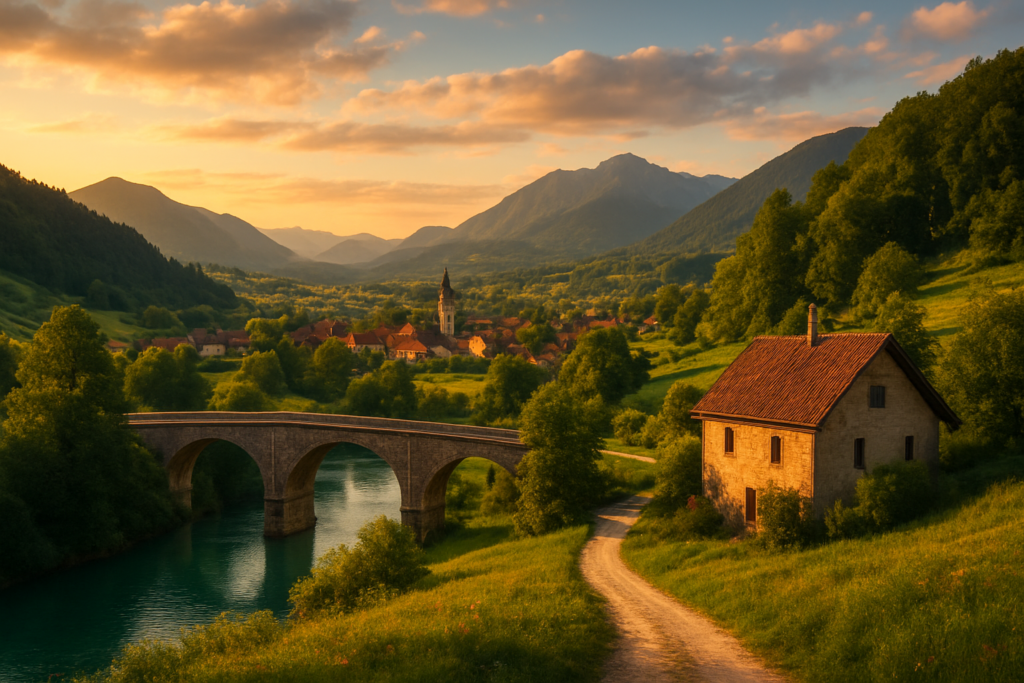
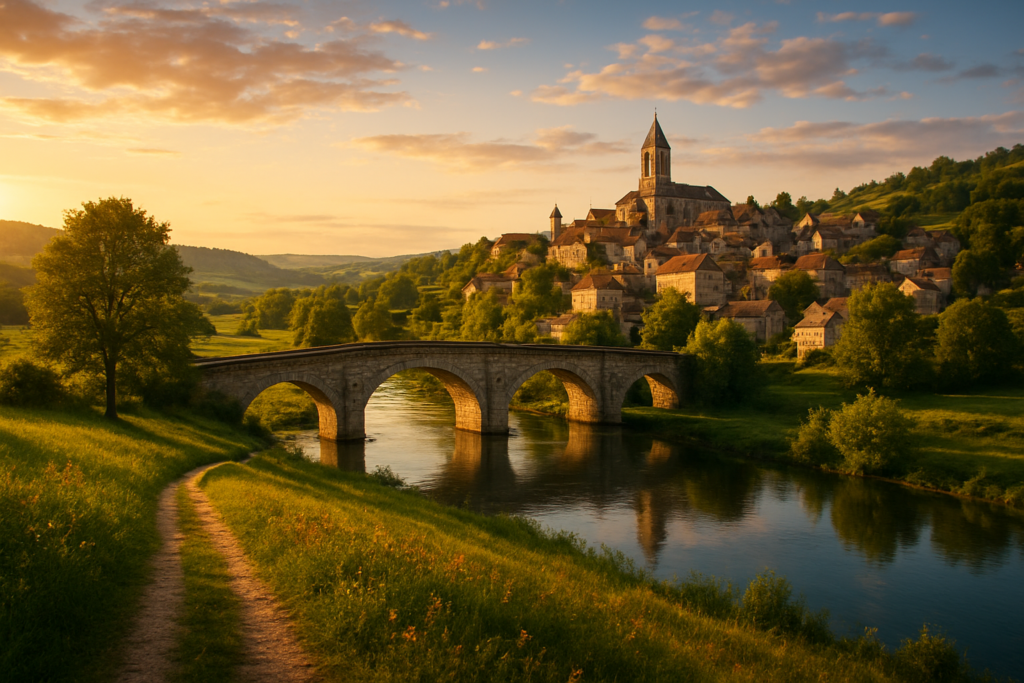
- Trail bridges and river walks with photo-ready angles
If you’re waterfall-curious, you might enjoy the energy in 10 Waterfalls in Europe That Look Absolutely Unreal. And if waterfalls are your travel signature, consider 10 Waterfalls in Europe That Are Worth Every Step.
Key Takeaways
- Hidden gems reward curiosity, timing, and a smart “base city” strategy.
- Search by vibe and verify leads across multiple sources.
- Viewpoints are a reliable gateway to quieter, more scenic spots.
- Balance famous landmarks with one hidden gem per day.
- Beginners can do this easily with short, accessible detours.
If you take one thing with you, let it be this: Europe is full of surprises. You just need to look beyond the obvious. Pack your wonder, plan lightly, and follow the quieter paths. That’s where Untamed Continent travelers find their best stories.