15 Things Locals Wish Tourists Knew Before Visiting Europe
Europe can feel like a movie. Still, the best scenes happen when you travel like a local. And the “local way” isn’t about pretending. It’s about understanding pace, etiquette, and the hidden details that make trips effortless.
In this guide for Untamed Continent, I’m sharing 15 tips locals wish tourists knew. You’ll learn how to navigate trains, respect small traditions, and find the joy of Europe’s villages. Plus, you’ll get practical advice that works in big cities and quiet hamlets.
Let’s turn “first-time tourist” energy into “I belong here” confidence. Ready? Let’s go.
1. Start With the Local Rhythm, Not Your Schedule
Europe doesn’t run on your clock. Many places slow down midday for lunch. Even small villages may feel quieter between late morning and late afternoon.
Instead of fighting the pace, plan around it. Look up opening hours for bakeries, museums, and local shops. Then leave room for long walks and spontaneous detours.
When you travel with the rhythm, everything feels smoother. Also, you’ll discover small moments you’d otherwise miss.
2. Learn a Few Polite Phrases That Open Doors
You don’t need to be fluent. However, locals notice effort fast. Simple greetings and thank-yous create instant warmth.
Try these basics, depending on the country you’re visiting:
- “Hello” and “Good morning”
- “Please” and “Thank you”
- “Excuse me” for getting attention
- “Do you speak English?” if needed
Also, remember the tone matters. A friendly delivery beats perfect grammar. Consequently, you’ll feel more welcomed everywhere.
3. Expect Smaller Portions Than You’re Used To
In many European cities, meals are lighter than North American standards. You may get multiple courses, but each course can be modest in size. That’s normal, not a sign you’re doing something wrong.
If you’re hungry later, don’t panic. Many locals snack with bread, fruit, or pastries between meals. Additionally, you can ask what locals usually order.
Pro tip: aim for “walk, explore, eat” days. Your appetite will match your pace naturally.
4. Keep Cash and a Card Ready—Small Places Vary
Even in 2026, payment options can still vary. Big cities often take cards everywhere. Meanwhile, smaller villages may rely on cash or prefer one method.
Before you head out, check what works. Some places accept card only above a certain amount. Others may not process payments during busy lunch hours.
To stay flexible, carry both:
- A card for convenience
- Some cash for markets and small eateries
- A backup card if you can
This one habit saves time and embarrassment. Most importantly, it keeps you exploring instead of searching for an ATM.
5. Trains Are Great, But Trains Still Have Rules
Europe’s rail network is iconic. Still, train travel has details that tourists overlook. For example, platform numbers can change. Also, ticket validation depends on the country and train type.
Here’s what locals often do:
- Arrive early for platform changes
- Know whether you must validate your ticket
- Check luggage rules and overhead space
- Travel with snacks for longer routes
Then, once you’re on the train, relax. Watch the landscape shift. That’s part of the experience.
If you love unforgettable views, you may also enjoy 15 viewpoints in Europe that feel unreal.
6. Don’t Overpack Your Days—Build in Wander Time
Locals have learned the art of unplanned wandering. Sometimes the best street is the one you turn into by accident. Instead of cramming attractions back-to-back, leave breathing room.
Try this simple rhythm: pick one main plan per day. Then add a flexible “bonus block.” Use it for markets, parks, or cafés.
This approach makes travel feel lighter. Plus, it helps you enjoy Europe’s hidden villages instead of rushing past them.
7. Respect Quiet Hours and Neighborhood Rules
Europe’s charm often comes from calm streets. That means noise rules are taken seriously in many places. Some towns even have early evening quiet expectations.
If you’re staying in an apartment, be mindful. Keep voices lower at night. Also, avoid dragging suitcases across cobblestones too late.
Similarly, be respectful in residential areas. “Tourist mode” can be loud, but local life isn’t.
When you act thoughtfully, locals trust travelers more easily.
8. Markets Are Not Just for Souvenirs
European markets are cultural hubs. They’re where locals buy seasonal produce and fresh bread. If you treat them like shopping malls, you’ll miss the vibe.
Instead, explore like a neighbor. Taste a small sample if offered. Ask what’s in season and what’s popular locally.
Great market finds include:
- Cheese and cured meats
- Olives and olive oil
- Pastries and bread
- Fresh fruit and jams
Then, enjoy your purchases somewhere scenic. This turns a quick stop into a memorable picnic.
9. “Close” Distances Still Take Time
Europe’s geography can surprise you. Two places may look near on a map. However, travel time can stretch due to trains, transfers, and walks.
Therefore, don’t assume “quick trip” equals short duration. Factor in station transfers and time to reach your lodging. In villages, the charm often requires walking.
Locals plan travel as part of the day. So should you. It keeps expectations realistic.
10. Dress for Weather and Small Social Norms
Europe’s weather changes fast. One hour can be sunny, and the next might be rainy. Also, some areas have dress expectations for churches and historic sites.
Pack thoughtfully:
- A light rain layer
- Comfortable walking shoes
- A small scarf or shawl for churches
- Layers for temperature swings
Additionally, many places value neatness. You don’t need formal clothing. Still, clean and simple outfits help you fit in.
11. Water Is Usually Safe—Ask If Unsure
Many European countries have safe tap water. Some places serve it with confidence. Others prefer bottled water, especially in smaller towns.
If you want to be eco-friendly, ask at your accommodation. You can also ask a café before ordering. Many will tell you what’s best locally.
Trust your surroundings. If locals carry refillable bottles, it’s often a good sign.
Hydrating well means you walk farther and enjoy more.
12. Learn the “Where to Eat” Trick: Follow the Locals
Tourist menus can be tempting. Yet locals usually eat where the atmosphere feels normal. That doesn’t mean it’s fancy or empty.
Instead, look for signs of everyday dining. For example, families eating together. Or office workers grabbing lunch quickly.
Here’s a helpful approach:
- Choose places with consistent foot traffic
- Look for local specialties on the menu
- Go where menus match the neighborhood vibe
- Check if dishes are cooked fresh
Finally, remember to ask for recommendations. A short conversation can lead to your best meal.
13. Hidden Villages Reward Patience
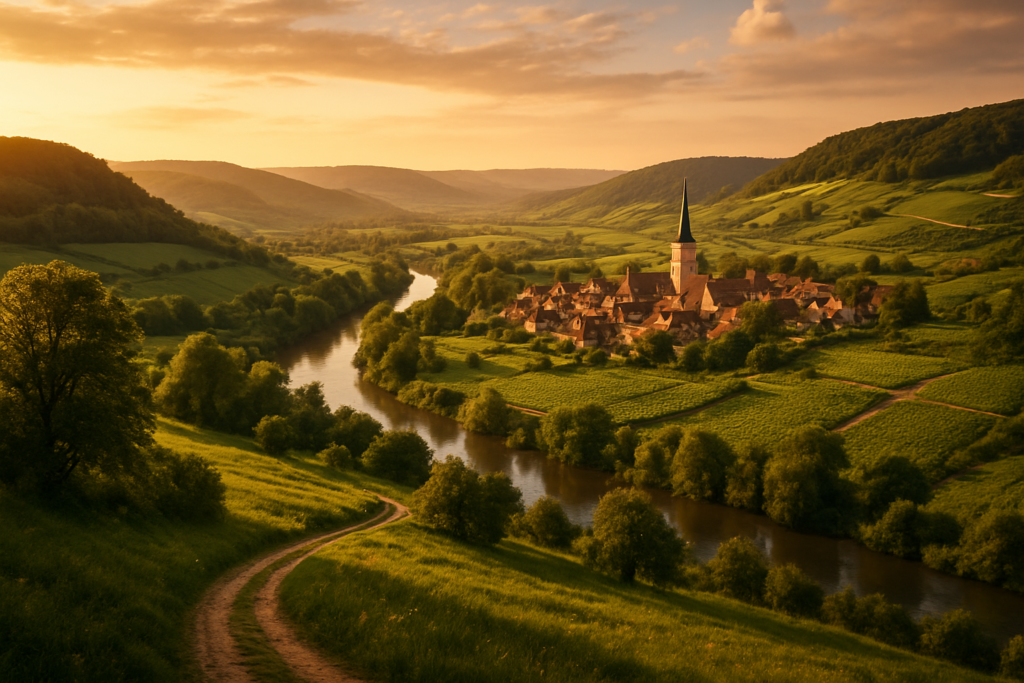
If you’re visiting Europe’s hidden villages, slow down. These places often shine away from crowds. However, that magic takes time to unfold.
Try early starts or late afternoons for softer light. Then, explore footpaths, viewpoints, and local squares. You may find small festivals, artisan workshops, or quiet scenic routes.
If you love “felt-like-fantasy” places, you’ll probably adore these hidden places in Europe feel like fantasy.
14. Use One Home Base When Possible
Moving every day can be exhausting. Even if distances seem manageable, packing and unpacking adds up. Locals often choose a base, then day-trip from there.
This strategy saves energy. It also helps you learn the area’s rhythm. You’ll find your favorite bakery. You’ll know where the quietest streets are.
Then, when you do travel onward, it feels exciting instead of stressful.
If you’re planning multiple stops, check how to pack smart for a multi-country Europe trip.
15. Ask “What Do You Recommend?” and Actually Listen
This is my favorite local trick. When you ask for recommendations, locals share what matters to them. Then, their suggestions feel more personal than generic travel advice.
You can ask hotel staff, guides, or shop owners. Try questions like:
- “What’s the best local dish here?”
- “Where do you go for a peaceful walk?”
- “Is there a viewpoint you love nearby?”
- “What should we try before we leave?”
And if someone gives advice, take it. That small moment turns into a real connection. Plus, it often leads to a hidden spot you couldn’t find online.
Key Takeaways
- Travel Europe with the local rhythm, not a frantic checklist.
- Respect small norms, quiet hours, and neighborhood rules.
- Choose flexible plans, keep cash handy, and follow local dining cues.
- Hidden villages and everyday discoveries are best when you slow down.
Europe isn’t just a place you visit. It’s a vibe you learn. So keep your curiosity open, your schedule light, and your heart ready for the next turn.
That’s how you turn “I’m touring Europe” into “I’m living Europe.”