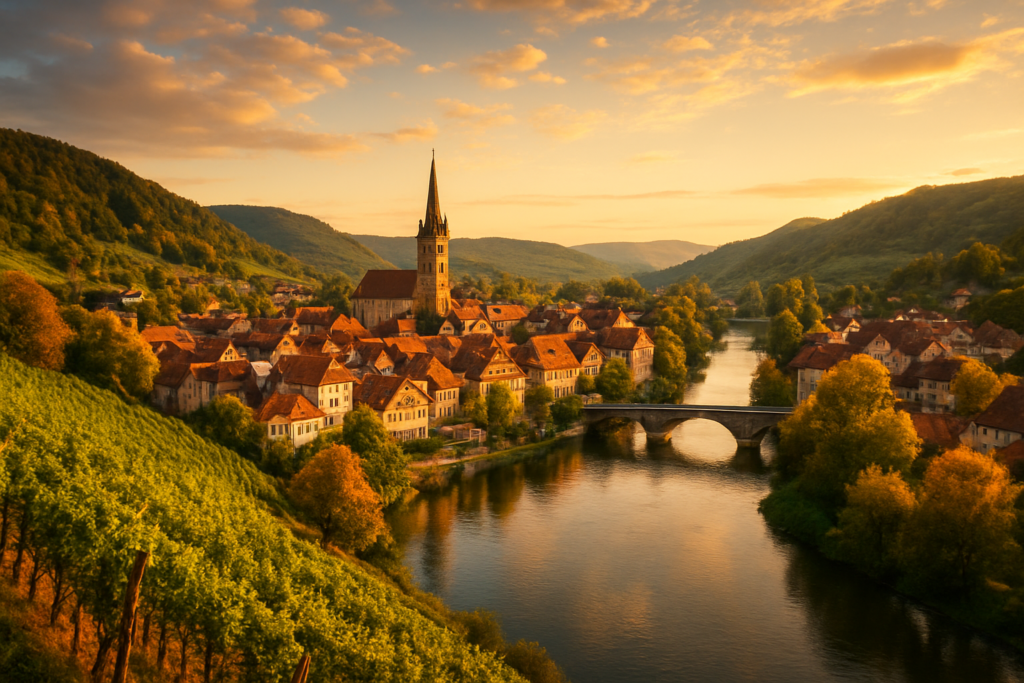

15 Smart Ways to Prepare for a Europe Adventure
Europe adventures are the best kind of chaos. You’ll chase sunsets, wander hidden streets, and accidentally find your new favorite bakery. However, a little preparation makes everything feel smoother, safer, and more fun. So let’s get you ready for the best trip of your life—without draining your excitement.
Whether you’re chasing hidden corners, hiking trails, or hopping between cities, this guide is built for real travel days. You’ll find practical steps you can do before you leave and smart choices you can make while you’re there. Plus, you’ll avoid the classic “why didn’t I think of that?” moments.
1. Lock In Your “Core” Dates Before You Worry About Everything Else
First, decide when you want to arrive and when you want to depart. Then build your trip around those anchor dates. This prevents last-minute scrambling and helps you book better-priced stays.
After that, choose a simple travel rhythm. For example, you might spend 3–4 days per region. Or you could do a slow loop with one or two “base cities.” Either approach works, as long as it feels sustainable.
2. Build a Flexible Itinerary That Leaves Room for Hidden Finds
Many travelers overplan. Then they miss spontaneous detours that create the best memories. Instead, plan key moments and leave gaps for serendipity.
Try this structure for each location:
- One “must-do” attraction or experience
- One neighborhood wander time block
- One meal you’ll truly look forward to
- One flexible slot for a hidden trail, viewpoint, or café
This approach also helps if weather changes. Also, it keeps your energy high for long walks.
Want help designing the big picture? Start here: how to build the perfect Europe itinerary from scratch.
3. Check Entry Requirements Early and Save Digital Copies
Paperwork can sneak up on you. Therefore, check visa rules and passport validity right away. Many countries require extra blank pages too.
Then prepare a simple system:
- Scan your passport, visa, and important confirmations
- Store them in a secure cloud folder
- Keep a printed backup in your luggage
Additionally, note emergency numbers and your accommodation addresses. When you have these ready, you’ll feel calmer instantly.
4. Pack for Movement, Not for Perfection
Europe travel involves stairs, cobblestones, and long days on your feet. So pack for comfort and mobility first. Then style becomes easy to achieve.
A smart packing philosophy is “mix-and-match.” Choose versatile pieces that work together. Also, plan for layering because weather shifts quickly.
Consider packing:
- Comfortable walking shoes with good grip
- A lightweight rain jacket or packable umbrella
- One warm layer for evenings
- A small day bag for trails and sightseeing
- Reusable water bottle (many cities have refill points)
5. Create a Trail-Ready Kit Even If You’re “Only” Day Hiking
Hidden trails feel unreal. Yet you still need to be prepared. Even day hikes can involve steep paths, uneven ground, and changing conditions.
Build a compact kit that makes you confident:
- Lightweight daypack with rain protection
- Snacks with protein and quick energy
- Sunscreen and a small hat
- Basic first aid and blister care
- Power bank and offline maps
Also, bring water planning. Some trails have refill options, but others don’t.
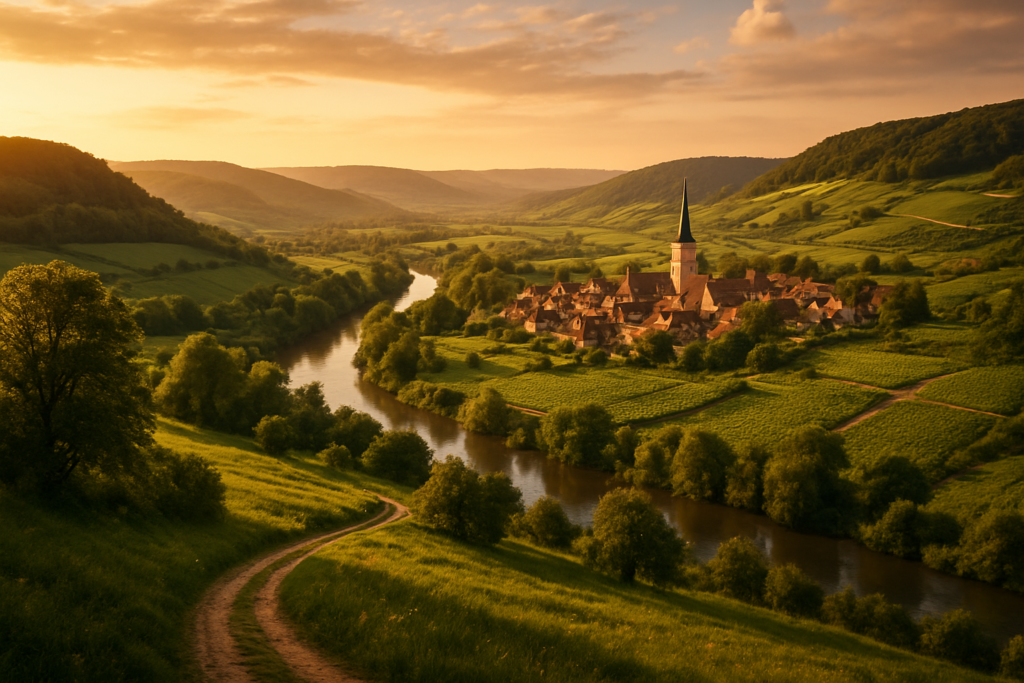
If you want inspiration for scenic walking days, check out this hidden trail in Europe feels unreal.
6. Choose Accommodations Like a Planner, Not Like a Roulette Wheel
Where you stay affects everything. It changes your commute time, your food options, and your walking routes. Therefore, pick locations based on how you’ll actually move.
Consider these factors:
- Proximity to public transit or walkable landmarks
- How safe you feel at night
- Nearby grocery stores or bakeries
- Lift access if you have heavy bags
- Clear check-in times and late arrival rules
Moreover, neighborhoods with local vibes often make trips feel less “touristy.”
7. Make Public Transport Your Superpower
Europe is a public transport playground. Trains can be fast, buses can be scenic, and local trams feel effortless. Still, preparation helps you avoid confusion.
Before you go, learn how your transit system works. Then download the official app if available. Also, understand ticket rules, like validation requirements.
For a deeper guide, read: 15 tips for navigating public transport in Europe.
8. Protect Your Phone Battery Like It’s Part of Your Passport
Your phone is your maps, your tickets, and your translation tool. So bring a strategy for staying charged. A dead phone can turn a smooth day into a stressful puzzle.
Try these habits:
- Pack a power bank and charging cable
- Keep offline maps downloaded
- Use battery-saver mode when needed
- Turn off background refresh during transit
Additionally, take screenshots of key reservations. Then you won’t rely on spotty Wi-Fi.
9. Learn a Few Local Phrases That Open Doors
Even basic phrases make interactions warmer. People respond kindly when they see you trying. Plus, it makes ordering food and asking directions easier.
Focus on short, practical lines:
- Hello and thank you
- Do you speak English?
- Where is the nearest…?
- How much is it?
- I have a reservation
Also, don’t worry about accents. Confidence matters more than perfection.
10. Pack Smart Money Tools: Cards, Cash, and a Safety System
Having only one payment method can be risky. Therefore, carry a backup plan. Many places accept cards, but small shops and remote areas may prefer cash.
Use a simple approach:
- Bring two cards from different networks
- Carry a small amount of cash in local currency
- Store them in different pockets or pouches
- Notify your bank about travel dates
Furthermore, keep receipts if you need refunds or reimbursement.
11. Plan “Weather Flex” for Your Days Outdoors
Europe weather can change quickly. One morning can be sunny, and the next afternoon can be windy. So prepare for weather variety, especially if you’re chasing trails.
Check forecasts a day or two before you depart. Then pack accordingly. A light rain layer and breathable clothing are usually enough.
Also, decide what you’ll do if it rains. For example, you could swap a viewpoint hike for a museum visit. Flexibility keeps momentum alive.
12. Avoid Common Pitfalls That Derail Great Trips
Even happy travelers run into avoidable problems. For example, booking too tightly can drain your energy. Or forgetting basic rules can waste time.
Watch out for mistakes like:
- Overpacking and under-saving energy
- Skipping transit research before assuming “it’ll be fine”
- Ignoring opening hours and local holiday closures
- Not labeling luggage or having a basic tag inside
- Buying overpriced tickets without checking official sources
If you want a detailed checklist, read: 15 travel mistakes that can ruin your Europe trip.
13. Choose the Right Pace for Your Body
Travel isn’t a race. However, Europe tempts you to see everything in one day. When you push too hard, you miss the joy.
Instead, match your pace to your plan. If you’re doing trails, build lighter city days in between. Also, schedule rest like it’s an activity.
A great rhythm looks like this:
- Morning: sightseeing or transit moves
- Afternoon: museums, cafés, or slower neighborhoods
- Evening: one highlight walk, then early downtime
This keeps your energy steady for the next adventure.
14. Use Offline Maps and Download Essential Info
Even in connected Europe, signals can disappear in valleys and train tunnels. So rely on offline tools. It’s a small step that saves big stress.
Before you go, download:
- Offline maps for each city and nearby trail areas
- Important addresses like hotels and transit hubs
- Saved restaurant locations and opening hours
- Offline translation data if your phone supports it
Then, when you lose signal, you won’t feel lost. You’ll feel capable.
15. Prepare for the Best Part: Connecting the Dots Between Places
Finally, remember that Europe is more than checklists. It’s stories, landscapes, and small everyday details. When you prepare well, you notice more of what makes each stop unique.
Try a simple travel journal habit. Write down three things each day. One can be a view. One can be a flavor. One can be something you learned.
Over time, these notes become your trip memory. They also guide future travel decisions. That’s how a Europe adventure turns into an ongoing love story.
Key Takeaways
- Plan anchor dates, then leave space for hidden discoveries and trail days.
- Pack for movement, build a small trail kit, and protect your battery.
- Use public transport wisely, prepare documents early, and keep payment backups.