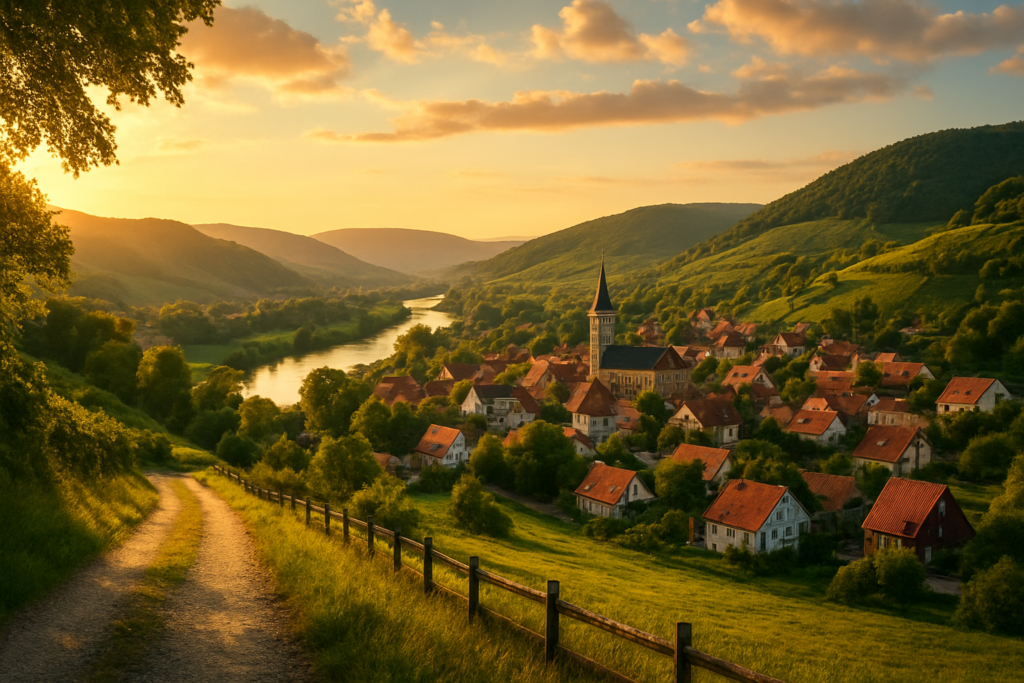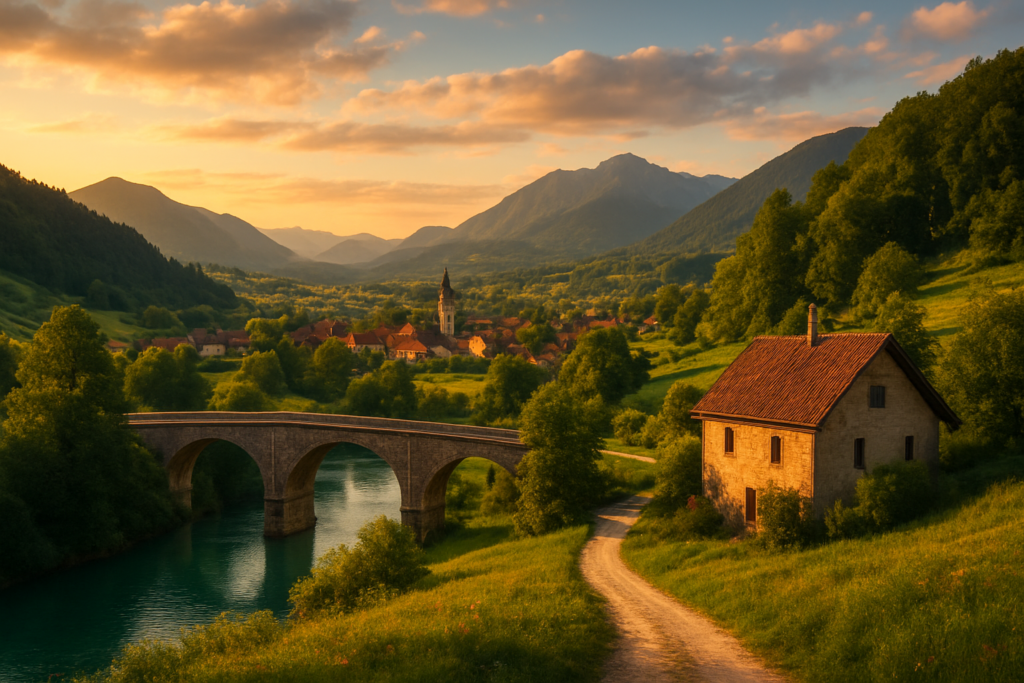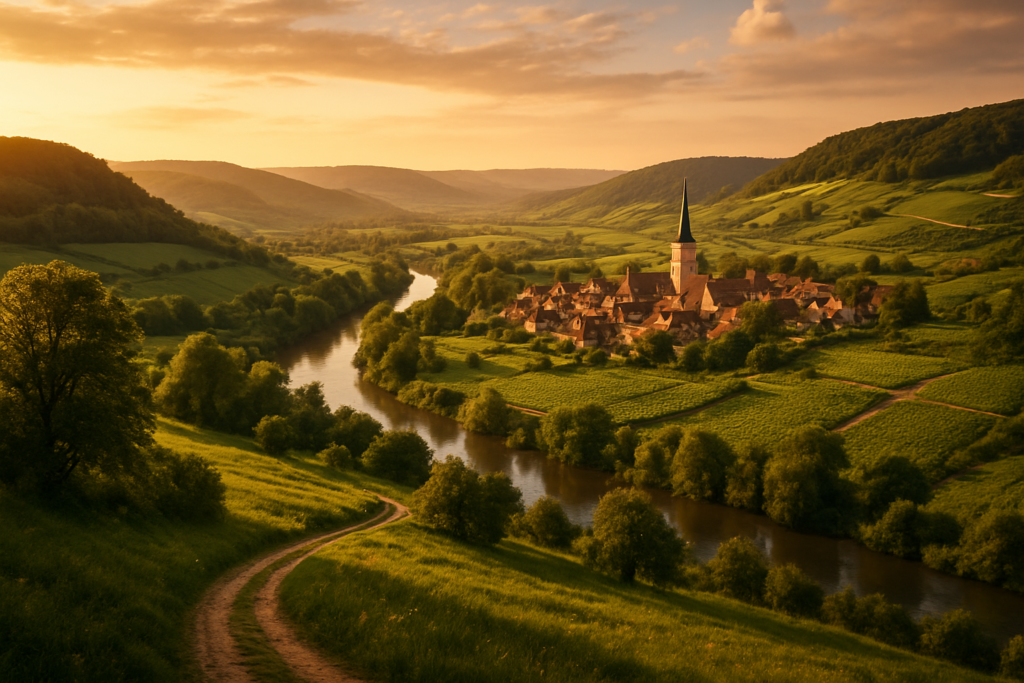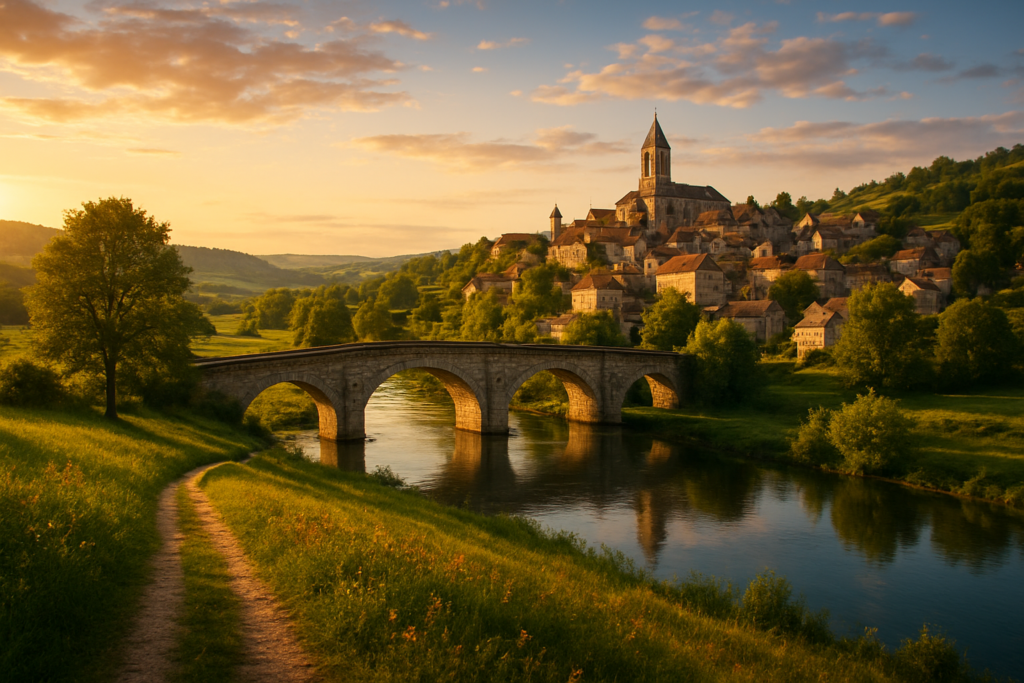
These European Villages Look Like They’re From a Fairytale: A Cheerful Guide to Storybook Stays
Picture cozy cottages, cobblestone lanes, and postcard views. These fairytale European villages are real places with unforgettable landmarks—and easy ideas for planning your next escape.
Quick Overview
- Visit dreamlike European villages known for storybook streets and scenic landmarks
- Plan visits by season, walkability, and local events for the best atmosphere
- Get practical tips for getting there, staying overnight, and capturing great photos
Why These European Villages Feel Like They Came From a Fairy Tale
Some places don’t just look beautiful. They feel magical the moment you arrive. That’s exactly what many European villages deliver.
For one thing, village centers are often compact and walkable. You can soak up views without fighting traffic. Additionally, many towns keep traditional architecture and customs alive.
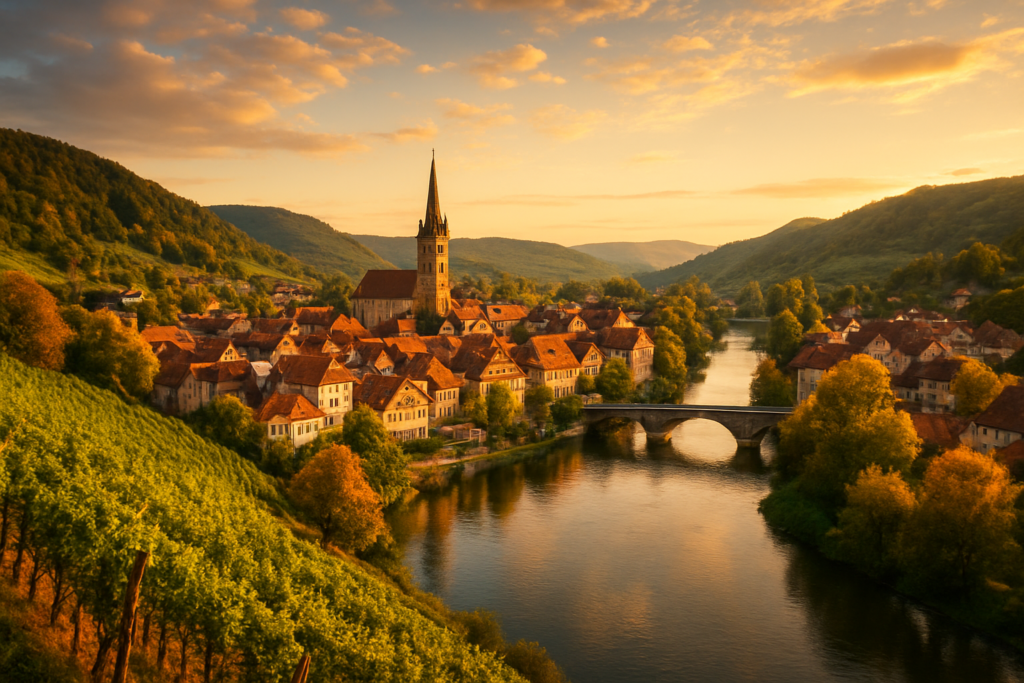
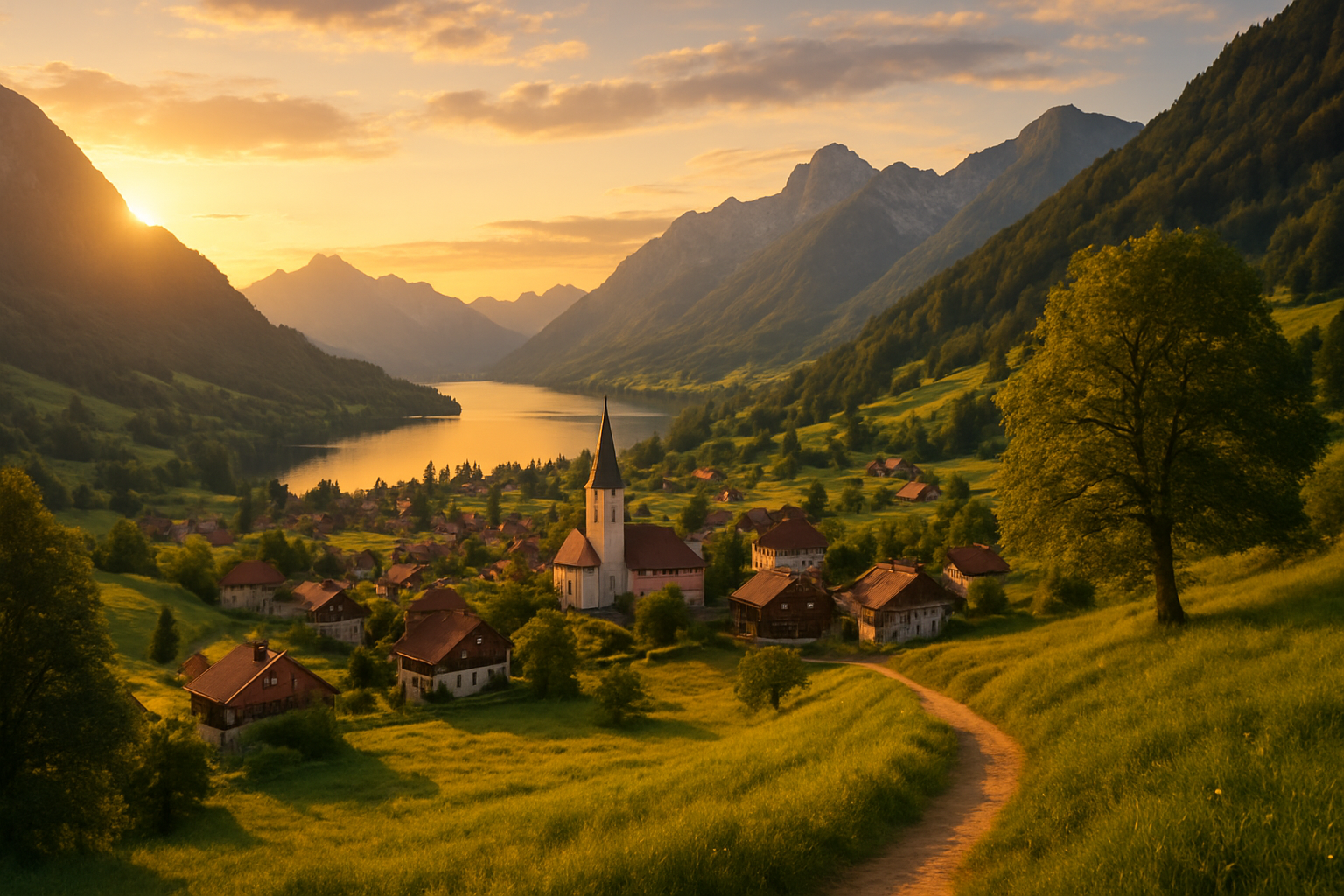
Another reason is the scenery. Think river valleys, mountain backdrops, and garden-filled squares. When golden hour hits, it’s pure movie magic.
In other words, these are the kind of Landmarks that become your favorite memories. And yes, you’ll want to slow down and wander.
Fairytale European Villages You Can Visit (And What to Do There)
Now let’s dive into the villages that look like they’re staged for a storybook. I’ll share what makes each one special, plus easy ideas for your itinerary.
Hallstatt, Austria: Lakeside Drama in a Compact Village
Hallstatt is famous for a reason. The village clings to the edge of a serene lake, with steep hills behind it. From the moment you step out of town, you’ll feel like you’re inside a painting.
Start at the main viewpoint for classic postcard photos. Then stroll along the lakeside promenade at a relaxed pace. After that, explore the village streets for small shops and traditional details.
For landmarks, look for the iconic church setting and the cliffside scenery. If you’re lucky with weather, the water mirrors the mountains like a calm glass sheet.
Rothenburg ob der Tauber, Germany: Medieval Walls and Candy-Color Charm
Rothenburg ob der Tauber looks like it was built for storytelling. Its fortified walls, turreted gates, and medieval lanes create instant wonder. Even walking from one square to another feels like time travel.
First, try the best early-morning stroll. Fewer crowds mean you can enjoy the architecture without rushing. Next, consider a short walk along the town walls if you’re up for steps and views.
Also, keep an eye out for fountains and half-timbered buildings. They make the town feel lively, even on quiet days.
Carcassonne, France (The Village-Like Fortress Town): A Landmark You Can Enter
Carcassonne is technically a city, but the “village feel” is real. The historic core feels enclosed and intimate, with fortress walls wrapping the area like a protective hug. As a result, it’s easy to treat it like a storybook village.
Begin with the medieval ramparts for sweeping views. Then wander through the cobbled lanes and look for charming courtyards. Finally, plan a meal in a traditional setting to round out the experience.
Because Carcassonne is so iconic, it works well for first-timers. Meanwhile, photographers will love the layered architecture and dramatic shadows.
Chefchaouen, Morocco (Yes, It’s in Europe’s Orbit): The “Blue Village” Mood
Although it’s not in Europe, it’s a common bucket-list stop for European travelers. That’s because it feels like a dreamy cousin to the fairytale villages you see in Europe. Chefchaouen’s blue streets make every turn feel like a new chapter.
Start by exploring the main lanes near the city center. Then take a gradual climb for viewpoints. Afterward, pause in small markets for local crafts and snacks.
If you want an Instagram-worthy experience, this is the place. However, go slowly so you can enjoy the neighborhood atmosphere too.
Hallstatt’s Neighbor Vibe: Lauterbrunnen, Switzerland: Valleys Made for Legends
Lauterbrunnen isn’t a tiny village, but it has that fairytale energy. The valley is dotted with waterfalls, and the surrounding peaks look unreal. It feels like the landscape is whispering adventure stories.
To experience the best “storybook” vibe, take a scenic walk near the falls. Then pair it with a viewpoint stop. After that, explore nearby hamlets for quieter moments.
Also, if you’re a train lover, the rail connections make it easy. Therefore, it’s a great choice if you want minimal hassle and maximum views.
Cesky Krumlov, Czechia: A Castle Town That Feels Like a Stage
Cesky Krumlov is one of those places where the details steal your attention. The river curves around the old town like a natural outline. Meanwhile, the castle dominates the skyline in a truly dramatic way.
Start with a river stroll and then explore the historic streets on foot. Next, plan a visit to the castle area if you enjoy viewpoints. Finally, settle into a café and watch the town move.
The best part is how cohesive everything feels. Even casual walking reveals landmarks, bridges, and hidden corners.
Bruges, Belgium: Lace-Like Streets and Canals for Days
Bruges is a classic choice for fairytale lovers. The canal network, brick buildings, and quiet squares create an effortless charm. It’s the kind of place where you keep discovering new angles.
Begin with a canal cruise if you can. Then wander the medieval lanes and stop at scenic bridges. After that, explore markets and local bakeries for sweet rewards.
Additionally, Bruges is great for slower travel. You can spend an entire weekend without running out of wonder.
Quick Itinerary Ideas (So You Can See More Without Feeling Rushed)
If you’re dreaming about these European villages, you’ll probably want a plan. No worries—these are flexible ideas you can adapt.
2 Days: First-Timer Fairytale Sprint
- Day 1: Arrive, check in, and do a golden-hour walk
- Day 1: Sunset viewpoints and local dinner
- Day 2: Morning landmarks, then a relaxed café break
- Day 2: Short scenic route and souvenir stops
3–4 Days: Slow Travel and Deeper Exploration
- Day 1: Explore the village center and key landmarks
- Day 2: Day trip to a nearby village or natural viewpoint
- Day 3: Museums, seasonal markets, and countryside walks
- Day 4: One “choose your own adventure” afternoon
How It Works / Steps
- Pick one village as your anchor. Choose based on scenery and walking style.
- Check seasonal timing. Look for festivals, pleasant weather, and fewer crowds.
- Plan your “must-see” landmarks. Select 2–3 highlights, not 10.
- Build in slow time. Leave space for cafés, photos, and unplanned detours.
- Use smart transport. Base yourself nearby to reduce daily travel stress.
- Capture great light. Schedule walks early morning or near sunset.
Tips for Visiting Fairytale Villages Like a Local (Not Like a Tourist Stampede)
Because these villages are popular, timing matters. However, you can still have a peaceful experience with a few smart habits.
Go Early, Then Go Slow
Most villages look best in the early hours. Then crowds usually increase. If you can, schedule your main sightseeing before late morning.
After that, take longer breaks. By resting, you’ll enjoy the details more and feel less rushed.
Wear Shoes for Cobblestones
Many lanes are uneven and historic. Therefore, comfortable footwear is essential. Additionally, a light daypack helps you carry water and a camera.
If you plan hills, bring layers. Weather in Europe can shift quickly.
Respect Quiet Neighborhoods
Some villages feel like living communities. So be mindful while photographing. Avoid blocking narrow passages and keep noise down.
In many places, locals appreciate friendly greetings. A simple “hello” can go a long way.
Examples of How to Build Your Fairytale Escape
Want some ready-to-use inspiration? Here are a few story-style examples you can follow.
Example 1: The Lakeside Chapter
Choose Hallstatt. Then pair it with a train-friendly travel day to a nearby viewpoint. Finally, end with a lakeside sunset dinner.
Example 2: The Medieval Castle Weekend
Start in Rothenburg ob der Tauber for medieval lanes and wall views. Next, head to a fortified historic area for fortress landmarks. Finish with a cozy bakery stop.
Example 3: The Canal and Castle Mix
Base yourself in Bruges for canaled charm. Then add a castle town day trip. In the evenings, enjoy slow strolls and a relaxed dinner.
FAQs
What is the best time to visit fairytale European villages?
Spring and early autumn are often ideal. You’ll usually get pleasant weather and fewer crowds than peak summer. Also, weekends can be busier, so plan weekdays when possible.
Are these villages walkable for most travelers?
Many are very walkable, especially in the historic centers. However, cobblestones and hills are common. If you’re mobility-limited, plan routes carefully and consider guided tours.
Do I need a car to visit these villages?
Not always. Trains and buses connect many popular towns. Therefore, you can often travel car-free, which makes parking stress-free.
How many villages should I visit on one trip?
Two to three is a sweet spot for most travelers. You’ll spend less time in transit. Then you can still enjoy each place properly.
Key Takeaways
- Fairytale European villages are often best early in the day.
- Choose a few landmarks, then leave room for wandering.
- Walkability varies, so pack shoes for cobblestones and hills.
- Slow travel turns “pretty” into unforgettable.
Conclusion
If you’ve ever wished you could step into a story, these European villages will make that wish real. From lakeside drama to medieval walls, every destination offers its own kind of magic. Most importantly, the best experiences come from wandering without a strict rush.
So pick your favorite fairytale vibe. Plan one weekend, pack comfortable shoes, and let the landmarks guide you. Trust me—your camera roll is going to thank you.