What to Know Before Renting a Car in Europe: The Smart Traveler’s Guide
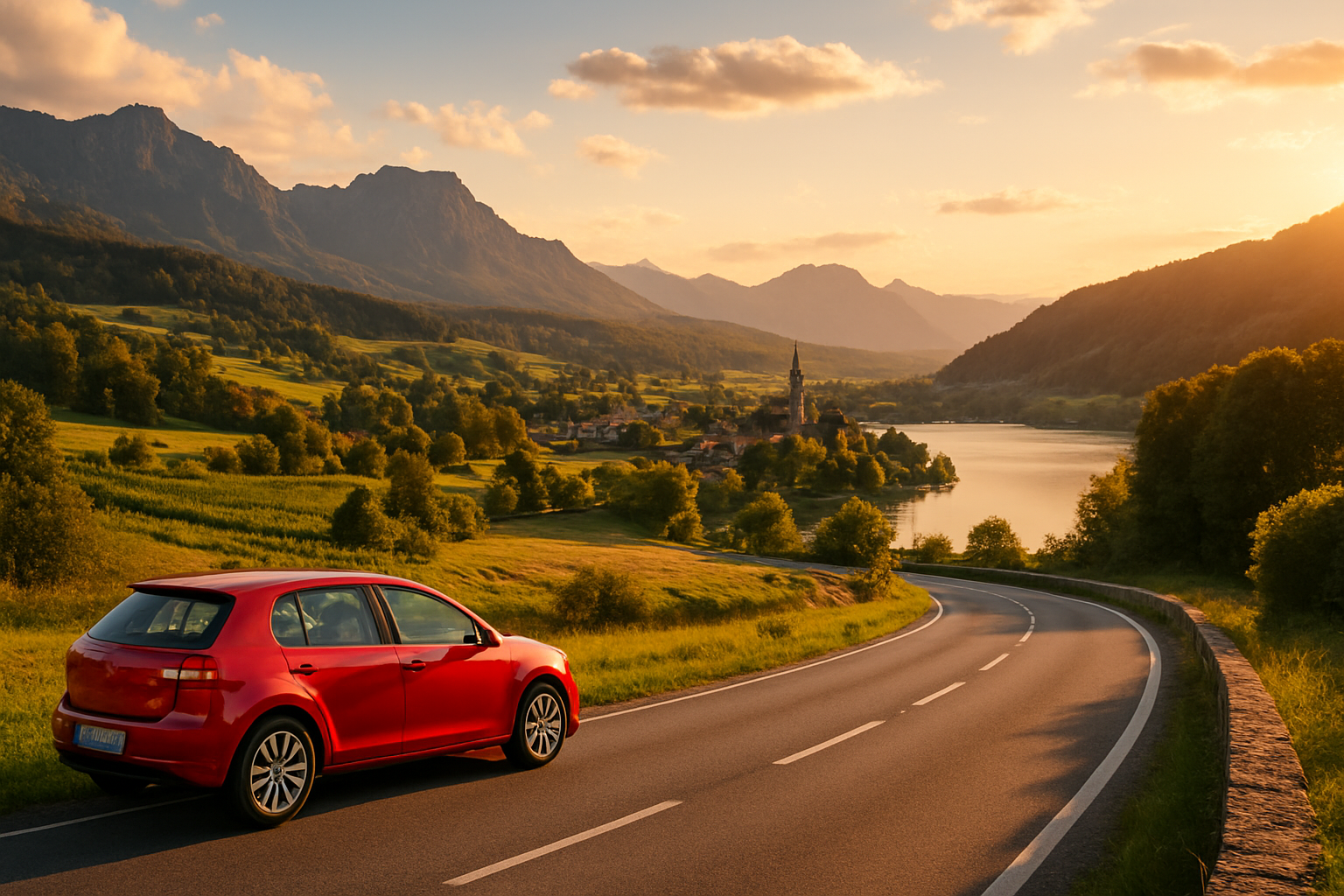
Picture this: you wake up to soft morning light, open the windows, and roll toward a coastline or mountain pass. That freedom is exactly why so many travelers rent a car in Europe. Still, the details can make or break the trip.
In this guide, I’ll share practical, real-world tips before you rent a car in Europe. You’ll learn what to check, what to avoid, and how to save money without losing your vacation vibe. Grab your notebook, because the best road trips start with smart planning.
First, decide where and why you need a rental car
Before you book, ask yourself one simple question: do you truly need a car for your route? Many European cities have excellent trains, buses, and walkable centers. In those areas, a car can add stress.
However, a rental car shines for rural regions, islands, national parks, and slow scenic drives. If your plan includes small villages or countryside viewpoints, driving often becomes the most convenient option.
Try matching your rental to your travel style:
- City-heavy itinerary: Consider keeping the car for day trips only.
- Coastlines and countryside: Renting usually pays off quickly.
- Mountain routes: You’ll want flexibility and early starts.
- Family travel: Cars can reduce logistics and save time.
Once you’re clear on your “why,” the rest of the planning becomes easier. Next, let’s talk about the basics you should know before signing anything.
What should you know about driving in Europe?
Driving rules across Europe can feel similar, but small differences matter. For example, speed limits may change often, especially near towns and schools. Also, signage styles vary by country.
Here are the driving basics that help most travelers stay calm on the road:
- Seatbelts are mandatory for every passenger.
- Speed cameras are common in many areas.
- Roundabouts are frequent and follow local right-of-way rules.
- Parking rules are strict and can be enforced quickly.
Also, expect lane markings and road paint to guide you more than you might be used to. If you’re unsure, slow down and follow the signs. It’s better to arrive ten minutes later than to risk a wrong turn.
If you’re craving scenery and planning trails, you might love 15 Mountain Trails in Europe That Feel Magical. Many trailheads are easier to reach by car.
How does renting a car work in Europe?
Car rental in Europe usually follows a straightforward flow. You choose your car type, dates, pickup location, and driver details. After booking, you’ll confirm what’s included in your rate.
Still, the “fine print” is where travelers often get surprised. Therefore, read the rental terms carefully before arriving at the counter.
Key booking details to confirm
These points can dramatically affect your cost and convenience. Double-check them before you pay.
- Pick-up and drop-off locations: Airports are easy, but city locations can be cheaper.
- One-way fees: Returning in a different country or city can cost extra.
- Age requirements: Young driver fees may apply, even for experienced drivers.
- Deposit and payment method: Many companies place a hold on your card.
- Included mileage: Some deals include unlimited mileage, others do not.
Then there’s the moment you pick up the keys. This is where you protect yourself, so don’t rush through inspection.
Do a “photo-and-walkaround” inspection
Before driving away, walk around the vehicle. Take clear photos of the exterior, windshield, tires, and interior. Also check for existing scratches, dents, and any warning lights.
Next, report any pre-existing damage right away. Otherwise, you might be blamed at return time. A quick, organized inspection is one of the best habits for renters.
Now, let’s tackle the topic that makes travelers nervous: insurance.
Insurance in Europe: how to avoid costly surprises
Insurance can be confusing because rental companies use different labels. You might see terms like “CDW,” “LDW,” “theft protection,” or “excess.” These details affect what you pay if something goes wrong.
In general, you want coverage that limits your financial responsibility. However, you should still understand your deductible or excess amount.
Here’s a smart way to approach insurance:
- Know your deductible: Find the amount you pay after a claim.
- Check glass and tires coverage: Often excluded from basic policies.
- Read about “excess waivers”: These can reduce your out-of-pocket costs.
- Ask about roadside assistance: It’s useful in rural areas.
Also, check what your credit card or travel insurance already covers. Some policies help, but not always in every country or for every vehicle. Therefore, confirm coverage in writing when possible.
If you’re the type who loves planning ahead, you may also enjoy reading about magical scenery, like These Trails in Europe Will Take You Somewhere Unreal.
Is renting a car in Europe worth it compared to trains?
Great question. The answer depends on your route, timing, and comfort level. Trains can be faster in cities and often require less daily effort. Meanwhile, cars add freedom and flexibility for countryside days.
Here’s a helpful comparison for deciding what’s best for you:
- Cost: In some regions, cars are competitive. In others, parking and tolls add up fast.
- Time: Driving can save time for remote areas. Trains shine for long city-to-city routes.
- Stress: City driving can be stressful. Country driving can feel surprisingly relaxing.
- Comfort: Cars are great for families and bulky luggage.
If your itinerary includes multiple small stops, a car is usually worth it. On the other hand, if you only visit major cities, trains often make your day easier.
Fuel, tolls, and parking: the “hidden” costs you must plan for
This is where budgets often surprise travelers. Europe can include toll roads, paid parking, and fuel prices that vary by region. Therefore, don’t assume your quoted rental price is your total cost.
Start with fuel. Many travelers are surprised by how often stations switch payment methods and nozzle types. Also, diesel and petrol prices can differ a lot across borders.
Next, consider toll systems. Some countries use electronic toll collection. Others rely on booths and receipts.
Finally, parking. In popular destinations, parking can be expensive and limited. Some hotels offer reserved parking, which can be a game changer.
To stay ahead, look for these practical options:
- Park outside the busiest center: Walk or transit in for sightseeing.
- Use apps or maps: They help you find availability faster.
- Check height limits: Many garages are tighter than expected.
- Keep enough time for ticket machines: They can be confusing at first.
With a smart plan, tolls and parking won’t steal your joy. Instead, they’ll become just another line item you’ve already accounted for.
Can beginners use a rental car in Europe?
Absolutely, yes. Many beginner-friendly travelers rent cars in Europe every year. The key is choosing the right car, route, and timing.
Start by selecting an itinerary that matches your confidence level. For example, avoid steep passes and complicated city centers on day one. Give yourself time to learn local road patterns gradually.
Beginner-friendly strategies
- Choose automatic if available: It reduces mental load, especially on busy roads.
- Drive in daylight: It helps with signage and road conditions.
- Use GPS with live traffic: It helps you avoid bottlenecks.
- Plan “buffer time”: Roads and parking can take longer than expected.
- Pick calmer regions: Countryside routes are often easier than downtown streets.
Also, remember that rental cars often have smaller windows and different dashboard layouts. Take a few minutes to adjust mirrors before you pull out. Then, keep your first drive short and simple.
If you want a low-pressure way to explore, think about using your car mainly for day trips. That way, you still get the freedom without the constant city driving.
Choose the right car size for European roads
Europe can have narrow streets and tight parking spaces. Therefore, car size matters more than you might expect. A compact car often feels far easier than a bigger vehicle.
Consider these factors when selecting your rental:
- Number of passengers: Make sure you have comfortable legroom.
- Luggage size: Roof boxes are sometimes unnecessary, but trunks can be small.
- Road type: Narrow rural roads may require a smaller turning radius.
- Parking difficulty: If parking is scarce, smaller is better.
And here’s a fun truth: a compact car can make scenic drives even more enjoyable. You’ll feel more in control when navigating small lanes and sudden turns.
Don’t ignore paperwork and driving documents
Every rental requires key documents. Typically, you’ll need a valid driver’s license and a passport. Some countries also require an International Driving Permit for certain nationalities.
Check requirements before travel. The rules can vary by where you live, where you’re renting, and where you’re driving. Therefore, verify early to avoid last-minute problems.
Also, save digital copies of your booking confirmation. Then keep your rental contract accessible on your phone. It’s a small step that saves time later.
Return conditions: how to finish the trip smoothly
Returning a rental car should feel simple. Still, many travelers lose time because they underestimate return requirements. For example, fuel policy matters.
When you return, follow the contract exactly. If it says “return with the same fuel level,” use a station close to the drop-off location. Otherwise, you may face refueling charges.
Also, check the car one last time. Take photos of the vehicle before handing keys over. Then, confirm any final charges on your account.
This is also a good moment to ask about your receipt. If something looks off, address it immediately.
Key Takeaways
Renting a car in Europe can be one of the best travel choices you make. Yet, a little prep prevents most problems before they start. Here are the main points to remember.
- Match the car to your itinerary, especially for rural and scenic routes.
- Confirm driving and road rules, and expect speed changes in towns.
- Read insurance carefully, including glass, tires, and your excess amount.
- Plan for tolls, fuel, and parking before you arrive at your destination.
- Inspect the car with photos to avoid return-day disputes.
- Choose beginner-friendly options like an automatic and daylight driving.
Now you’re ready to explore with confidence. So go ahead—start your engines, set your route, and chase that next unforgettable European view.