You Need to See These Coastal Cliffs Before You Die
Coastal cliffs are nature’s grandest stage: towering rock faces, pounding waves, and unforgettable viewpoints. This guide highlights must-see cliff destinations, plus practical tips for photographing, planning, and staying safe.
Quick Overview
- Discover breathtaking coastal cliff viewpoints across Europe
- Learn the best times to visit for light, weather, and crowds
- Get safety and navigation tips for windy, rugged viewpoints
- Bring the right gear and timing for standout photos
Why Coastal Cliffs Feel Like a Life Upgrade
There’s a reason people talk about coastal cliffs like they’re spiritual. One moment you’re walking a normal path. The next, the land falls away, and the ocean turns into a living soundtrack.
These places combine drama, scale, and motion. The cliffs are ancient, but the sea is always changing. Therefore, every visit feels unique, even if the view looks familiar.
Also, coastal cliffs are perfect for travelers who love variety. You can pair cliffs with beaches, hikes, lighthouses, or charming towns. So, you’re not just “seeing” something—you’re experiencing a whole coastal ecosystem.
Top Coastal Cliffs and Viewpoints You Should Add to Your Bucket List
Ready to go big? Here are standout cliff destinations that deliver that “wow” factor fast. I’ll also share what makes each one special and how to plan for the best experience.
1) The Cliffs of Moher, Ireland: The Classic Irish Cliff Moment
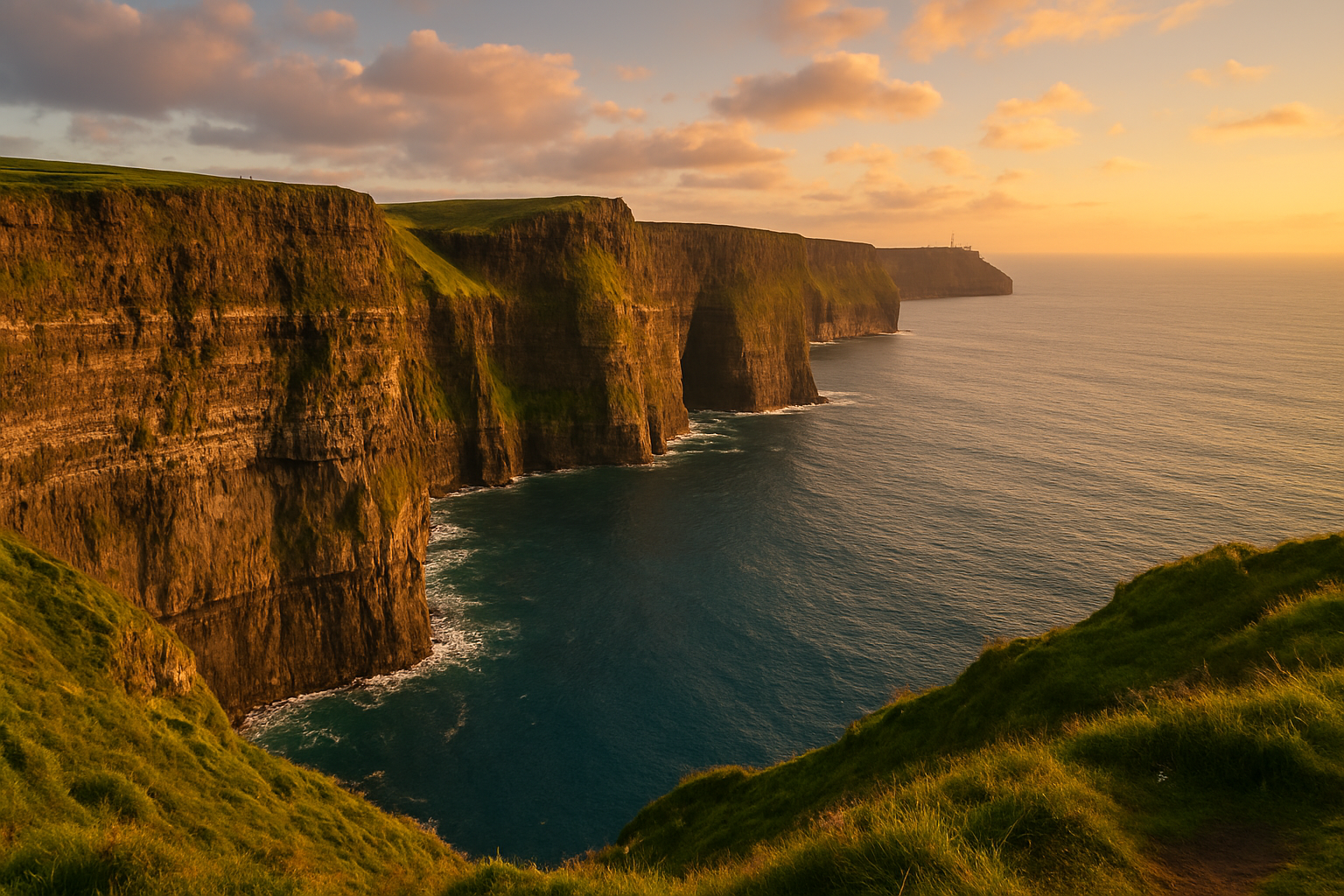
Let’s start with the famous one. The Cliffs of Moher rise dramatically above the Atlantic. Waves crash below like clockwork, and the whole landscape feels wind-carved and cinematic.
When you reach the main viewpoints, you’ll understand why the place is so popular. Moreover, on clear days, you can see far along the coast. On stormy days, the cliffs look even wilder.
Pro tip: Arrive early. Then explore slowly along the safer paths. Also, bring layers because the wind can be fierce.
2) Étretat’s Cliffs, France: The Beach Town With Sculpture-Perfect Rocks
Étretat is the kind of place that looks like a painting. White chalk cliffs stretch along the coast, and the sea below keeps rewriting the scene. If you love dramatic natural architecture, this is a must.
Because the cliffs are so photogenic, they attract photographers year-round. However, the real magic is walking close to the coastline and feeling how small you are. That contrast is what makes views stick with you.
Pair it with: a sunset stroll. If you want more golden-hour inspiration, check These Sunset Spots in Europe Will Blow Your Mind.
3) Beachy Head & Seven Sisters, England: Rolling Cliffs That Seem to Go On Forever
England’s chalk cliffs are playful and bold. Beachy Head offers a sweeping first look, and the Seven Sisters trail rewards curiosity with constant variety. One curve reveals another viewpoint, and you’ll keep wanting “just one more” photo.
Furthermore, the area is excellent for hikers. You can walk segments of the trail and return to cozy nearby towns. So, you don’t need to commit to a long trek to feel the full impact.
Best for: travelers who like coastal walks and wide-open skies.
4) The Algarve’s Atlantic Cliffs, Portugal: Warm Sun, Rugged Edges
The Algarve is known for beaches, but its cliffs are where the drama really shows up. Think golden rock, turquoise water, and viewpoints that feel like postcards. Even the drive between spots becomes part of the fun.
Also, boat trips often complement cliff viewing. You can see sea caves and hidden coves from the water. Then you can return to the viewpoints for that “from above” perspective.
Don’t miss: lookout points with easy access. It’s the quickest path to big views without complicated logistics.
5) Donegal’s Slieve League Cliffs, Ireland: Tall, Wild, and Seriously Impressive
Slieve League is for travelers who want jaw-dropping heights without the same crowds. The cliffs tower above the Atlantic, and the scale is hard to grasp from ground level. Additionally, the surrounding landscape feels remote and untamed.
Once you stand at the viewpoints, you’ll notice how the coastline bends. Therefore, the view keeps expanding in layers. It’s not just one photo—it’s a panorama you can explore.
Note: Weather changes quickly. Bring a waterproof outer layer and plan a flexible schedule.
6) Rocky Coastal Wilds of the Basque Coast, Spain: Sea Spray and Dramatic Shorelines
Spain’s northern coast is rugged in the best way. Here, cliffs meet surf, and you can feel the ocean mist in your hair. The Basque coastline often blends dramatic rocks with small coves and charming towns.
Because the region has great food culture, you can pair cliff time with pintxos and local wines. That rhythm—adventure, then comfort—is a classic travel win.
If you enjoy coastal experiences paired with culture, you may also love 15 Coastal Spots in Europe That Look Like Paradise.
7) Amalfi Coast Viewpoints, Italy: Cliffside Towns With a Sweet-Spot View
Italy’s Amalfi Coast doesn’t just offer cliffs. It offers cliffs with life built on them. Colorful towns cling to steep slopes, and the coastline plunges into vivid blue water.
Moreover, the viewpoints often feel like balconies over the sea. You can see boats gliding through the water and hills rolling into the horizon. It’s breathtaking, and it’s very “slow travel.”
Tip: Use a flexible itinerary. Some areas require buses or timed access paths. However, the payoff is huge.
How It Works / Steps: Plan a Cliff-Viewing Day Like a Pro
- Pick a main viewpoint first. Start with the easiest “big view” to anchor your day.
- Check tides and weather. Surf looks best when conditions cooperate, but safety always comes first.
- Choose the right time of day. Morning and late afternoon often deliver softer light and fewer crowds.
- Build in a short walking loop. Most cliff destinations shine when you explore in layers.
- Bring layers and water. Wind and mist can change your comfort fast.
- Stay behind barriers. Trails and railings are there for a reason.
- Capture, then linger. Photos are great, but slow moments make the memory last longer.
What to Pack for Coastal Cliffs (So Your Trip Feels Effortless)
Coastal cliffs are beautiful, but they can be surprisingly challenging. You’ll want gear that handles wind, spray, and uneven ground. Therefore, packing smart is part of enjoying the view.
- Windproof jacket or rain shell: coastal weather changes fast.
- Comfortable hiking shoes: trails can be rocky and slippery.
- Reusable water bottle: especially on long walks.
- Small daypack: keep essentials close while moving.
- Lens cloth or wipes: sea mist can fog your camera quickly.
- Phone power bank: for navigation and sunset photos.
- Optional binoculars: great for spotting boats and distant coastline details.
Photo Tips: How to Capture Coastal Cliffs Without Stress
Coastal photography can feel intense. The wind hits, waves crash, and the light keeps shifting. Yet with a few simple habits, you can get great shots.
Use “leading lines” in the landscape
Look for trails, fences, or coastlines that guide the eye toward the horizon. Then frame the cliff edge to show scale. This instantly makes photos feel dramatic.
Include a “human scale” element
Add people at a safe distance or include a viewpoint sign. That tiny detail helps viewers understand how tall the cliffs are.
Try a two-part shot strategy
First, capture the wide landscape. Then, switch to a closer texture shot of rock, sea foam, or cliff vegetation.
As a result, your photo set feels varied and professional. It also helps when weather changes between angles.
Examples: Cliff Day Itineraries You Can Copy
To make planning easier, here are a few sample “cliff day” concepts. Adjust them based on your travel pace and transport options.
Example 1: Ireland “Classic Cliffs” Half-Day
- Arrive early for calmer conditions and easier parking
- Walk the main paths to two or three key viewpoints
- Pause for photos, then take a slow lunch nearby
- Finish with a relaxed coastal stroll
Example 2: France “Étretat + Sunset” Evening
- Start with an early viewpoint before crowds build
- Explore coastal sections for different cliff angles
- Return to a prime overlook for golden hour
- Cap the day with a seaside meal
Example 3: Portugal “Cliffs + Coves” Full-Day
- Drive to a viewpoint with easy access
- Take a short walk to nearby viewpoints or coves
- Consider a boat ride for sea-cave perspectives
- End with a sunset lookout and local dessert
FAQs
Are coastal cliffs safe to visit?
They can be safe if you stick to designated paths and follow barrier rules. Avoid cliff edges, especially in windy or wet conditions.
What’s the best time of year for coastal cliffs?
Spring and early autumn are often ideal. You’ll usually get comfortable weather and good visibility without peak summer crowds.
Can I visit coastal cliffs if I’m not a strong hiker?
Yes. Many destinations have viewpoints accessible via short walks. Choose locations with observation platforms or paved paths.
What should I do if weather turns stormy?
Prioritize safety and move to sheltered areas. If visibility improves, you can resume exploration from safe viewpoints.
Do I need a car to see coastal cliffs?
Not always. Some cliff areas are reachable by public transport, tours, or guided shuttles. However, having a car can offer flexibility for remote viewpoints.
Key Takeaways
- Coastal cliffs deliver unforgettable scale, sound, and ever-changing views.
- Morning and late afternoon are excellent for light and fewer crowds.
- Bring windproof layers and sturdy shoes for comfort and safety.
- Explore in layers: wide views first, then textures and close details.
Conclusion
If you’re wondering whether coastal cliffs deserve a spot on your travel dream list, my answer is simple: yes. These places combine raw nature with breathtaking perspectives. And once you stand above the surf, you’ll understand why people say “before you die” with real feeling.
So choose one coastline, plan your viewpoint day, and let the ocean do the rest. Start with the classics or hunt for something wild and lesser-known. Either way, your next cliff memory is waiting.
Now tell me: which cliff is calling your name—Irish, French, Portuguese, or something wilder?