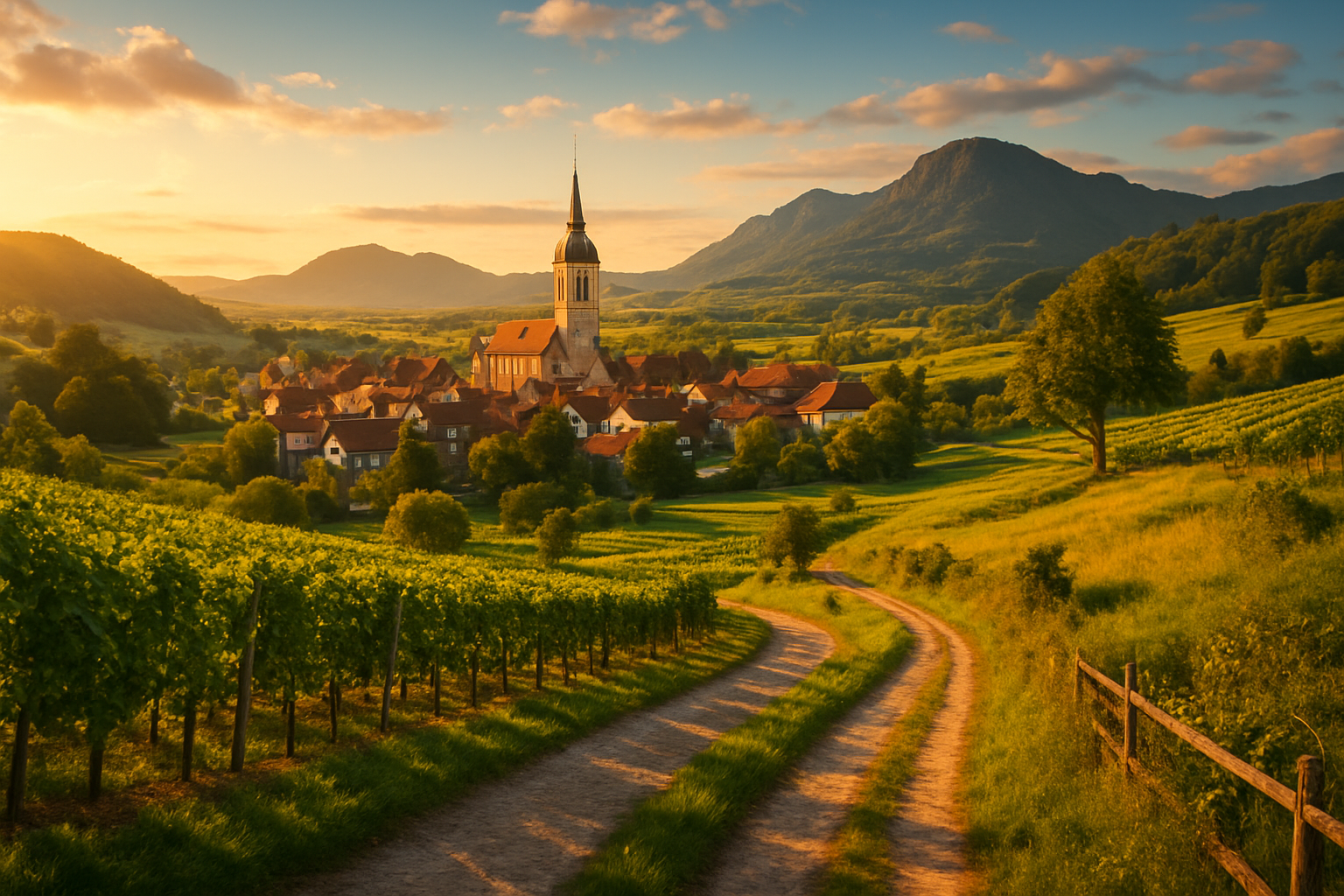
10 Cultural Differences That Might Surprise You in Europe
Europe is full of postcard moments. Yet the real magic often lives in daily habits and tiny rules. Those details can surprise even seasoned travelers. So today, let’s unpack 10 cultural differences that might surprise you in Europe.
I’m writing this as a cheerful travel blogger and journalist for Untamed Continent. Think of it like a friendly briefing before you land. You’ll learn what people expect, what locals love, and how to avoid awkward moments. Plus, you’ll pick up context for the places you visit.
Ready? Let’s go beyond “museum tickets and train rides” into the human rhythms of Europe.
1. Dining Times and “Late” Meals Are a Real Thing
In many parts of Europe, mealtimes can feel oddly delayed compared to what you might expect. Lunch often happens later than in North America. Dinner commonly starts between 7:30 and 9:00 pm. Therefore, restaurants may be calm earlier, then suddenly lively.
When you arrive early, don’t assume the kitchen is “closed for the day.” Instead, look for bakeries, cafes, or bars serving smaller dishes. In some countries, a long dinner is part of the culture. People linger, chat, and enjoy several courses.
Helpful tip: If you’re hungry early, try these options.
- Order a pastry or coffee at a local cafe
- Look for “menu del día” or lunch specials
- Try tapas, mezze, or small plates as an early dinner
Also, pacing matters. You usually won’t get a quick “in and out” meal experience. Instead, treat dinner like a mini event.
2. “Small Talk” Styles Vary More Than You Think
Across Europe, friendliness is common. Still, the way people start conversations differs by culture. Some places encourage warm greetings and quick chats with strangers. Other places prefer politeness first, then conversation later.
For example, in northern regions, directness can feel refreshing. Meanwhile, in other countries, gentle phrasing and softening words are more typical. That means your best approach is to read the room.
Easy guideline: Match the energy, then add your own. Smile, greet first, and ask simple questions. After that, let the local flow guide you.
If someone seems quiet, it doesn’t always mean they’re unfriendly. It may simply be a cultural norm for conserving personal space in public. Thus, observe before you talk.
3. Paying the Bill: Splitting, Separate Checks, or “One Order” Expectations
Here’s a common travel surprise: the moment you reach the bill, expectations can shift dramatically. In some European countries, paying separately is normal. In others, the group might pay together. Sometimes, the server brings the check to a shared table automatically.
To avoid confusion, watch how locals behave nearby. Look for whether people stand up together. Notice if they call the waiter collectively or individually. Then follow suit.
Practical move: Ask early if you’re unsure.
- “Would you like one bill or separate bills?”
- “Can we pay separately?”
- “How does payment work here?”
That small question can save time and awkwardness. Plus, it shows respect for local customs.
4. Bread, Water, and “What’s Included” Can Feel Unexpected
Food extras can be a culture lesson. In some countries, bread is brought automatically, and you’re expected to pay only for what you order. In other places, you might receive bread without it being billed separately.
Water is another big one. Bottled water might be more common. In some locations, tap water is free or lightly charged. Elsewhere, you may be offered bottled options only.
Instead of guessing, ask. You’ll look confident, not confused. Then you’ll avoid surprises when the bill arrives.
Quick questions to try:
- “Is tap water available?”
- “Is the bread included?”
- “What is the house water option?”
Knowing this makes dining smoother, and it helps you stay within budget.
5. Dress Codes Are More Common Than You Might Expect
Europe isn’t one uniform fashion show. Yet many places are more style-conscious than travelers assume. It’s not about being flashy. It’s often about blending in with local norms.
For instance, some restaurants expect “smart casual” rather than sneakers and a hoodie. Churches and religious sites usually require covered shoulders or knees. In winter, warm layers are welcome, but tidy appearance still matters.
Simple strategy: Pack one versatile outfit that fits most scenarios. Also, bring a light layer for religious visits.
Then you’ll feel comfortable everywhere, from elegant dinners to lively evening strolls.
6. Quiet Hours, Respectful Volume, and “Neighborhood Rules”
Europe can have stricter norms about noise than you’re used to. In many cities, evenings are calmer, and residents value peace. Therefore, loud conversation on balconies or late-night music can be frowned upon.
This can also affect how you travel. Your hotel might have quiet hours. Street life might be vibrant, yet residential areas may not tolerate chaos.
Traveler-friendly reminder: Keep your voice lower at night. If you’re in an apartment, treat it like someone’s home. Small choices protect good vibes for everyone.
When you follow local volume norms, you’ll usually get warmer respect back.
7. How People Queue, Wait, and “Take Turns” Publicly
Queue etiquette can be one of Europe’s funniest cultural differences. Some places have very orderly lines. Others can be looser, but still structured. Either way, locals notice when the “flow” changes.
If there’s a clear line, join it without squeezing. If people appear to take turns at a counter, follow the same pattern. Avoid stepping ahead “because you’re in a hurry.” Locals may interpret it as rude.
This extends beyond lines. It also includes boarding trams, entering landmarks, and checking in. Watching others helps you blend instantly.
If you want a confidence boost, arrive early. Then you’ll face less rushing pressure. That’s when etiquette becomes effortless.
8. Citizenship of Time: Punctuality vs. Flexible Schedules
Time culture is real. In some European countries, punctuality is treated like basic respect. Being late can feel personal, even for casual plans. Meanwhile, other places move more fluidly through schedules.
Here’s the nuance: even flexible cultures often appreciate clear communication. If plans start at 6:00, show up closer to 5:45 if possible. If you need to adjust, message early.
Pro travel move: If you’re unsure, confirm the exact start time. Then plan arrival with buffer time. That small effort prevents stress for both sides.
Time is one of the fastest ways to learn cultural expectations—so take it seriously, but stay relaxed.
9. Language Respect: Trying a Few Words Goes a Long Way
English is common in many tourist hubs. Still, locals often appreciate when you attempt their language. It doesn’t need to be perfect. In fact, effort matters more than flawless grammar.
Try basic phrases like “hello,” “please,” and “thank you.” You can also learn how to ask for directions politely. Then use gestures if needed. Most people will meet you halfway.
And when you get corrected, don’t panic. Smile, thank them, and keep going. This is a cultural moment, not a test.
In addition, some regions have strong local languages. Respect their identity. Even a small greeting can feel meaningful.
10. The “Idea of a Trip”: Day Trips vs. Wandering Slowly
European travel styles can surprise you. Some travelers pack nonstop sights into short bursts. Yet locals often treat weekends differently. They might slow down, take long meals, or explore nearby neighborhoods instead.
That approach influences how attractions feel. A landmark may be crowded in the afternoon but calm in early morning. Neighborhood markets may feel more alive on certain days. Therefore, your planning impacts your experience.
If you love adventure, still consider a slower backbone. Pair one major attraction with a wandering plan. That way, you’ll enjoy both highlights and spontaneous discoveries.
If you’re building an itinerary, you might find help in how to choose the best travel route across Europe. It pairs well with the cultural tips in this guide.
Also, if you prefer “hidden but unforgettable,” explore related topic for more offbeat ideas. (And if you want dreamlike scenery, check out these trails in Europe will take you somewhere unreal.)
Key Takeaways
- Europe’s cultural differences show up in meals, language, noise norms, and time expectations.
- Observe local behavior, then match the vibe—especially for dining, queues, and bill-paying.
- Small efforts, like learning simple phrases, make travel smoother and friendlier.
If you take one thing with you, let it be this: cultural differences aren’t barriers. They’re invitations. They help you understand the “why” behind what you see.
So pack your curiosity, bring your good manners, and enjoy the wonderfully human side of Europe. Your next surprise might be the start of your favorite story.