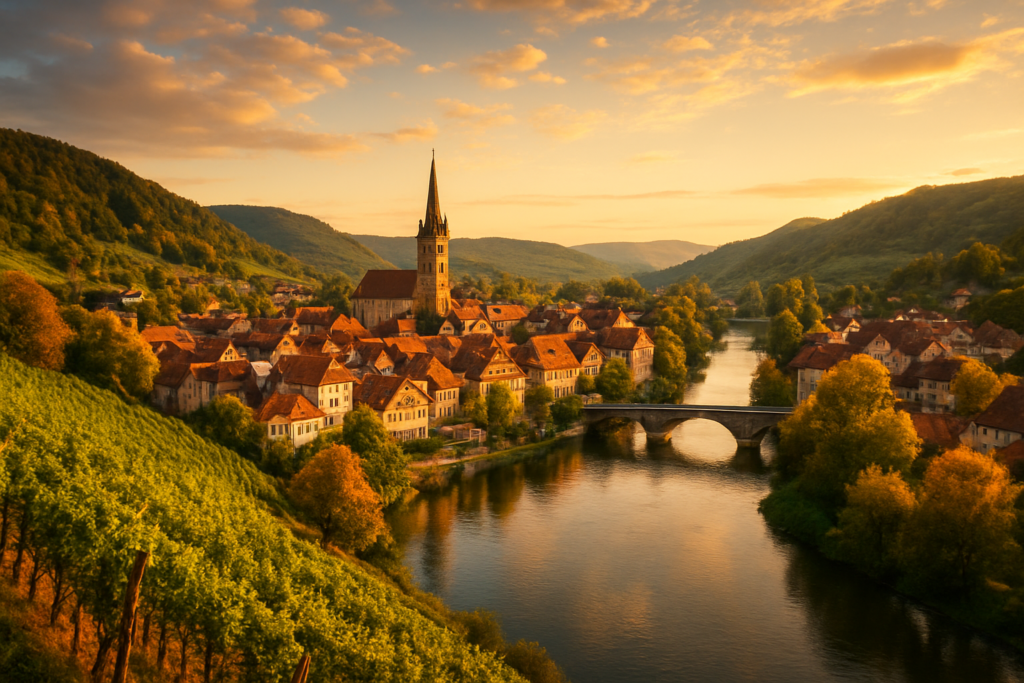
10 Travel Tips That Make Exploring Europe Much Easier
Europe is gorgeous, thrilling, and full of surprises. Yet it can also feel overwhelming when you’re juggling trains, tickets, and tiny cobblestone streets. The good news? A handful of smart habits can make your trip calmer and easier. In this guide for exploring Europe, you’ll find practical tips that help you move faster, pack smarter, and see more.
Think of these as your friendly “travel superpowers.” You’ll spend less time stressing and more time soaking in views. Plus, these tips fit almost every itinerary, from city-hopping to slower landmark days. Let’s get started!
1. Plan Your Route Like a Local, Not a Robot
First things first: don’t overbook your days. Europe rewards curiosity, and that means detours happen. Instead of forcing a rigid schedule, group nearby sights together. Then leave a buffer for walking, photos, and accidental discoveries.
For example, you might map:
- Morning: one major landmark or museum
- Afternoon: a scenic neighborhood walk
- Evening: dinner near transit for convenience
Also, remember that “nearby” doesn’t always mean “quick.” In many European cities, walking time can surprise you. Therefore, double-check distances and plan breaks. With a flexible route, your Europe experience feels lighter and more enjoyable.
2. Use “Two-Step” Transit Strategy: Research + Reserve
Transit is where trips can either glide or grind. To avoid the grind, use a simple two-step method. First, research routes and typical travel times before you arrive. Then, reserve key journeys when possible.
Some routes benefit from advance booking. Others are easier and cheaper at the station, depending on the country. For that reason, look for train options early. Then lock in the big moves, like long-distance travel between cities.
Meanwhile, for local transit, save time with passes or apps. However, always verify whether your pass covers your specific lines. A few minutes of planning can save hours later.
3. Pack a “Cobbles Kit” for Comfort Everywhere
One of the biggest Europe game-changers is footwear. Many streets feature cobblestones, uneven pavement, and long walks. Therefore, pack shoes you can walk in for hours. If you already know you’ll walk a lot, trust that instinct.
Additionally, build a small “cobbles kit” in your day bag. It doesn’t need to be bulky. Think of it as comfort insurance.
- Blister-friendly bandages or blister pads
- A compact water bottle
- Light rain protection or a foldable umbrella
- Small snacks for long waits
- A portable charger and charging cable
When your feet feel good, everything else gets easier. You’ll enjoy hidden streets and landmark views without the constant “Are we there yet?” feeling.
4. Time Your Landmarks for the Golden Hours
Landmarks look stunning in every season. Yet timing is everything. If you want fewer crowds and better photos, aim for early mornings or late afternoons. Then you’ll experience those iconic places at their most magical.
For popular sights, crowds can spike quickly. As a result, consider:
- Visiting famous spots right after opening
- Watching sunset viewpoints on a separate schedule
- Taking museum breaks mid-afternoon
Golden hour light also flatters architecture. Moreover, it can make cities feel more cinematic. So, plan your “must-see” moments with sunrise energy or sunset calm.
5. Learn the “Buy vs. Skip” Ticket Rule
Ticketing can feel like a maze in Europe. Some places sell timed entries. Others prefer first-come access. Instead of guessing, use a simple rule: buy tickets for anything with limited entry.
That includes major museums, popular viewpoints, and guided experiences. If tickets sell out, you’ll lose more than money. You’ll lose time in your itinerary.
However, not everything needs prebooking. For spontaneous activities, you can keep options open. For instance, you may skip advance tickets for:
- Free walking tours
- Churches or outdoor monuments
- Public parks and viewpoints without timed entry
Ultimately, the “Buy vs. Skip” rule helps you spend wisely. It also protects your schedule from last-minute surprises.
6. Choose Neighborhood Stays, Not Just Central Hotels
Location matters, but “central” can mean different things. A hotel near landmarks can be convenient. Yet some central areas feel busy at night. Meanwhile, neighborhoods slightly outside the core can be calmer and more local.
When picking where to stay, ask yourself three questions. Can you reach transit easily? Are there cafes nearby? Do you feel safe walking at night? If the answers are yes, you’re on the right track.
Moreover, neighborhood stays make exploring feel natural. You’ll stumble into bakeries, small shops, and quieter squares. That’s when Europe turns from checklist to story.
7. Use Apps Like a Checklist, Not a Crutch
Technology can simplify everything from schedules to directions. However, don’t rely on apps for every single detail. Instead, treat them like helpful assistants.
Start with navigation and transit planners. Then add translation and ticketing tools if you’ll use them daily. If you want a deeper list, check out 15 Essential Apps Every Europe Traveler Should Use. It’s packed with practical ideas.
Also, download offline maps before you go. That way, you’re not stuck when signal fades. Plus, you’ll feel calmer when navigating new neighborhoods.
8. Keep Copies of Key Documents (Digital and Physical)
Paperwork sounds boring, until you need it. Then it becomes everything. To avoid stress, keep copies of key documents accessible.
At minimum, store:
- Your passport and entry documents
- Travel insurance information
- Hotel confirmations and addresses
- Your main credit card details
For digital copies, use a secure cloud or encrypted storage. For physical copies, keep them in a separate location from your passport. If your bag gets delayed or lost, this helps you recover quickly.
With backups in place, you’ll explore more freely. That confidence matters more than you think.
9. Eat Like You Have a Schedule, Even When You Don’t
Europe’s food scene is part of the adventure. Still, waiting for tables can steal time from sightseeing. Therefore, build meals into your plan without making it rigid.
Try this approach:
- Have a “backup” restaurant near your next stop
- Look for lunch specials in busy areas
- Plan dinner earlier on weekdays
Additionally, consider walking after meals. Many European cities are made for strolls. You’ll digest slowly while discovering streets you didn’t know existed.
When you keep meals smooth, your energy stays steady. Then landmarks feel less like chores and more like rewards.
10. Find One “Hidden” Moment Per Day
Here’s the secret sauce: always include a small surprise. Europe is full of famous sights, of course. Yet the magic often happens when you chase something lesser-known.
Instead of aiming for 10 major attractions, aim for one special “hidden” moment daily. It could be a quiet viewpoint, a side street cafe, or a peaceful trail. If you love this style of discovery, explore 15 Hidden Places in Europe That Feel Unreal for fresh inspiration.
You can also make it adventurous with trails. For example, These Trails in Europe Feel Like Pure Adventure can help you plan scenic escapes between landmarks.
Even a short hidden detour can refresh your itinerary. Then your travel photos and memories will feel more personal.
Key Takeaways
- Plan flexibly by grouping nearby sights and adding time buffers.
- Reserve major transit ahead, then stay flexible for local adventures.
- Pack for comfort, especially for cobblestones and long walks.
- Time landmarks for golden hours, and use apps as helpful tools.
- Include one hidden moment daily to keep Europe feeling magical.
If you’re ready to make your next trip smoother, start with the easiest wins: comfy shoes, smart transit planning, and golden-hour landmark visits. Then add one hidden surprise each day. Trust me—Europe becomes much easier when you travel with joy and intention.