15 Mountain Peaks in Europe You Must See Before You Die
Europe is a continent of beautiful surprises. Yet, few experiences match the feeling of standing above clouds. Suddenly, the world looks smaller, quieter, and wildly majestic.
In today’s Untamed Continent guide, we’re chasing 15 mountain peaks in Europe that feel like postcards turned real. Each one has its own personality, from dramatic pyramids to wide, wind-swept ridges. Plus, you’ll find practical tips for planning your viewpoint day or summit adventure.
Ready to fall in love with elevation? Let’s climb the dream list, one peak at a time.
1. Mont Blanc (Alps, France/Italy)
Mont Blanc is the celebrity of European mountains. It’s not just tall; it’s iconic. The views from nearby trails feel cinematic, especially when sunrise lights up the snowfields.
However, Mont Blanc is also serious. It demands good conditions and smart planning. Many travelers choose easier viewpoints in the Mont Blanc region, then dream about the full summit.
Best for: First-timers who want Alpine drama and breathtaking panoramas.
Tip: Check weather forecasts early. Mountain conditions can change fast.
2. Matterhorn (Alps, Switzerland/Italy)
If a mountain could win a beauty contest, the Matterhorn would win. Its sharp silhouette looks unreal against the sky. In fact, it’s one of Europe’s most photographed peaks.
You can enjoy it from charming Swiss viewpoints without scaling anything steep. Still, for the adventurous, the Matterhorn is a bucket-list mountaineering goal. Either way, the atmosphere feels magical.
Best for: Classic Alpine scenery and “wow” photo moments.
Tip: Visit early morning for crisp light and fewer crowds.
3. Grossglockner (Hohe Tauern, Austria)
Grossglockner is Austria’s showstopper. It towers over the Hohe Tauern range and inspires awe from every angle. Moreover, the drive and viewpoints around the area are spectacular.
From scenic roads, you can soak up glacier views without committing to a full summit. Meanwhile, hiking routes offer a gradual path into the mountain mood. Consequently, it’s great for travelers who want both access and scenery.
Best for: Road-trip views and dramatic glacier panoramas.
Tip: Build in time for viewpoint stops along the mountain road.
4. Zugspitze (Bavaria, Germany)
Zugspitze brings mountain energy to Germany. It’s the country’s highest peak, and it feels like stepping into an alpine wonderland. On clear days, the horizon stretches far beyond imagination.
Interestingly, Zugspitze is also very accessible. You can take trains and cable cars to high elevations. Then, you can explore walking routes with massive payoff.
Best for: Comfortable altitude experiences and family-friendly hiking.
Tip: Wear layers even in summer. Winds up high can surprise you.
5. Mont Ventoux (Provence, France)
While it isn’t as tall as some giants, Mont Ventoux has big personality. It rises like a volcanic beacon above Provence. On bright days, the views stretch toward the Mediterranean.
For cyclists and hikers, it’s a legendary challenge. Yet, even a moderate climb rewards you with sweeping landscapes. Therefore, it’s a fantastic peak for travelers who like heart-thumping ascents.
Best for: Epic views with a shorter commitment than many Alps peaks.
Tip: Start early to beat heat and wind.
6. Elbrus (Caucasus, Russia/Georgia border region)
Elbrus is a masterpiece of snow and scale. It dominates the Caucasus skyline and feels almost otherworldly. Because it’s so high, the environment changes rapidly as you ascend.
Many visitors choose guided routes rather than going solo. That’s smart, especially when conditions are unpredictable. Still, the mountain’s presence is unforgettable even from viewpoints below.
Best for: Serious travelers chasing dramatic high-altitude landscapes.
Tip: Plan for permits and guided options in advance.
7. Großvenediger (Hohe Tauern, Austria)
Großvenediger blends rugged beauty with glacial drama. The surrounding landscapes feel wild, natural, and very “untamed.” As you hike, you get changing views of valleys and icy terrain.
This peak rewards patience. Trails can be longer, and the scenery evolves hour by hour. Consequently, it’s perfect for slow travelers who want immersion, not just photos.
Best for: Hiking-focused trips and glacier scenery.
Tip: Consider a guided route for safer navigation.
8. Kilimanjaro? Wait—No, It’s Mount Olympus (Greece)
Okay, Greece’s Mount Olympus isn’t in Africa. Yet it feels mythic enough to belong in any legendary story. It’s the home of ancient Greek gods in mythology, and the mountain delivers that epic atmosphere.
Hiking routes vary from gentle segments to more challenging paths. Either way, you’ll find dramatic ridgelines and cloud-kissed peaks. Moreover, the setting feels alive with history and nature together.
Best for: Myth lovers and hikers chasing epic atmosphere.
Tip: Bring good footwear. Trails can get rocky and slippery.
9. Triglav (Slovenia)
Triglav is Slovenia’s national symbol and highest peak. It towers above alpine valleys, and the scenery feels crisp and clean. When the skies clear, the view is incredibly rewarding.
Unlike some mountains with heavy infrastructure, Triglav still feels wild. You can hike through beautiful meadows, then rise toward harsher alpine zones. Therefore, it’s a peak that feels truly earned.
Best for: Scenic hikes and a distinctly Slovenian mountain vibe.
Tip: Plan your route around hut stays if you want an overnight adventure.
10. Montserrat (Catalonia, Spain)
Montserrat surprises many travelers. It’s not only famous for spiritual history, but also for its jagged, monk-like rock formations. The peaks here look like they’re carved by imagination.
Meanwhile, viewpoints reward you with dramatic cliffs and far-reaching panoramas. You can combine culture and nature easily, since Montserrat also has monasteries and scenic funiculars. So, it’s perfect for a day trip with big visual payoff.
Best for: Unique rock landscapes and scenic viewpoints.
Tip: Add a sunset hike. The colors get ridiculously beautiful.
11. Pico de Teide (Tenerife, Spain)
Teide feels like a different world. It rises from volcanic landscapes, and the terrain looks surreal. When you gaze across the island, you get a layered panorama that feels impossible.
Even if you don’t reach the summit, the high-altitude viewpoints are stunning. Plus, the sky on Tenerife is often clear. That makes Teide a top pick for both daylight exploration and night-sky magic.
Best for: Volcano views and “this can’t be real” landscapes.
Tip: Check access rules for summit routes, as regulations can change.
12. Olympus? Again? No—Dolomites’ Tre Cime di Lavaredo (Italy)
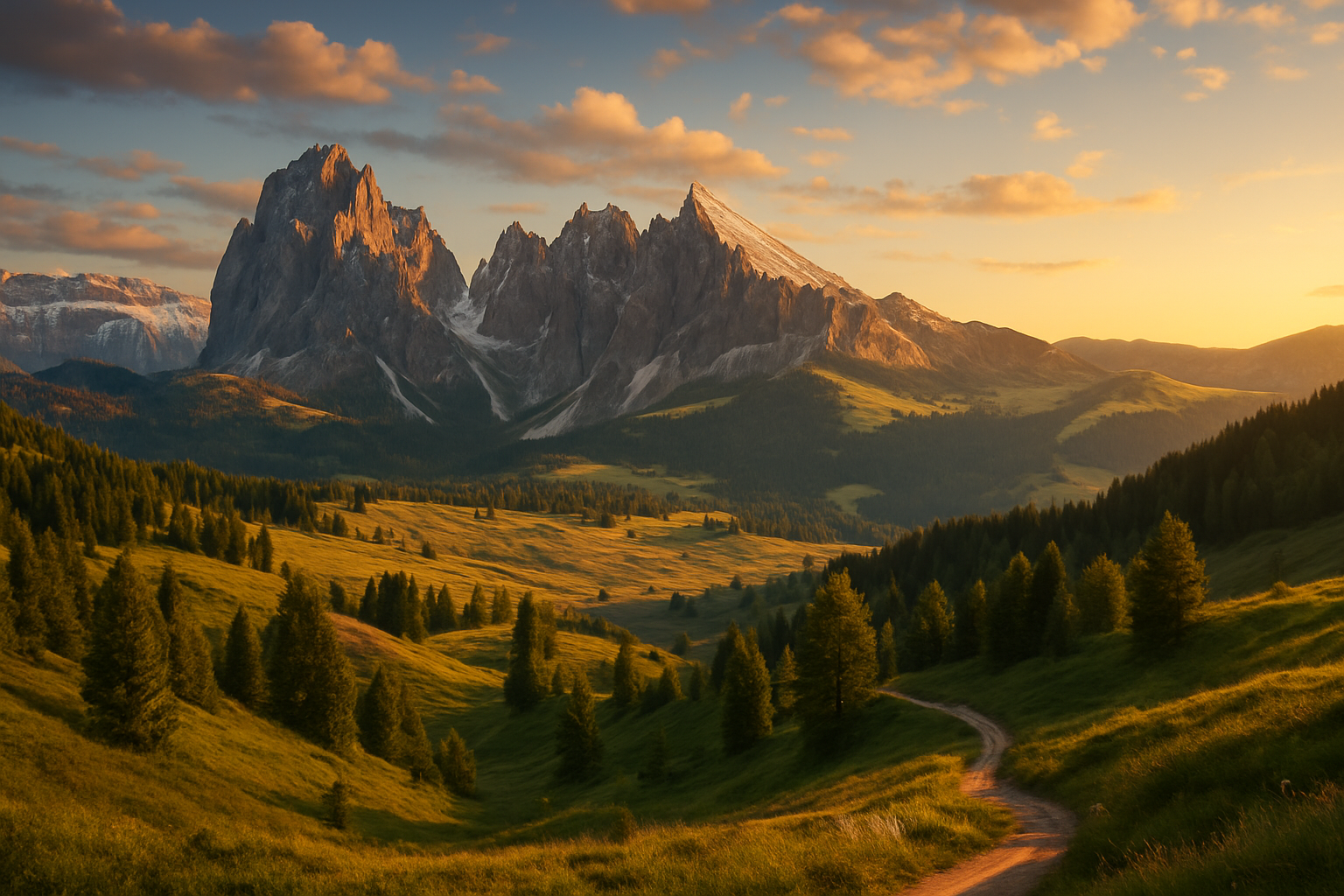
Tre Cime di Lavaredo is peak geometry at its finest. These famous Dolomites towers look like sculpted stone. Their dramatic light and color changes across the day are truly special.
To appreciate Tre Cime, the classic approach is a hike around the massif. You get multiple angles without needing technical climbing skills. As a result, it’s a favorite for travelers who want big views with manageable effort.
Best for: Iconic Dolomites scenery and rewarding hikes.
Tip: Start early to enjoy the trails in quieter hours.
13. Snowdon (Eryri / Welsh Highlands, Wales)
Snowdon brings mountain wonder to the UK. It’s a dramatic peak with multiple routes, and it’s known for weather that can change quickly. Even so, the payoff is huge.
On clear days, you can see across the Welsh landscape with vivid detail. On misty days, the clouds wrap around the summit like a natural curtain. That means your experience can be different every time.
Best for: Classic hikes and dramatic weather-driven scenery.
Tip: Pack waterproofs. The forecast is helpful, but not everything.
14. Durmitor (Dinaric Alps, Montenegro)
Durmitor isn’t always on everyone’s radar, but it should be. The mountain range delivers rugged beauty, deep valleys, and incredible hikes. Moreover, it feels less touristed, which makes it feel more “untamed.”
From ridgelines, you get wild views of lakes and rocky terrain. Plus, this region pairs beautifully with road trips through Montenegro’s landscapes. If you want peaks with a sense of discovery, Durmitor fits perfectly.
Best for: Off-the-beaten-path mountain adventures.
Tip: Bring a flexible itinerary. Weather can shift mountain conditions quickly.
15. Velebit (Croatia)
Velebit is Croatia’s mountain range that blends wilderness and coastal influence. It offers dramatic landscapes with a different feel than the Alps. Here, mountains rise beside valleys and near the Adriatic atmosphere.
Hiking routes can be challenging, but the reward is huge. You’ll find viewpoints that feel open and powerful. Also, you can combine mountain hiking with nearby seaside downtime.
Best for: Mountain-and-coast travel in one trip.
Tip: Plan for early starts. Trails get warmer as the day goes on.
How to Choose the Right Mountain Peak for Your Trip
Now that you’ve seen 15 mountain peaks in Europe, the big question is: which one matches your style? Start by deciding how you want to experience elevation. Do you want a viewpoint day, a multi-day hike, or a serious mountaineering challenge?
Then, consider your travel pace. Some peaks work best for quick trips. Others shine when you can slow down and spend extra time exploring.
Here are a few selection questions you can ask yourself:
- How much hiking do I want? Choose easy routes or long trails.
- What weather can I handle? Mountains often bring sudden changes.
- Do I need accessibility? Some regions offer cable cars and roads.
- Am I traveling solo or with a group? Guided routes can add safety and comfort.
- How important are crowds? Popular peaks offer infrastructure, quieter peaks offer solitude.
For more inspiration, you may love these breathtaking mountain trails in Europe. Trails and peaks go hand in hand, and finding the right route can change everything.
Viewpoint Planning Tips for the Best Mountain Photos
Let’s talk photos—because yes, we want memories that look as alive as the moment felt. However, the secret is less about fancy gear. It’s more about timing and choosing smart vantage points.
Try these easy, reliable tricks:
- Go early or late: Soft light makes peaks look more sculpted.
- Watch the clouds: Cloud layers can turn views into living art.
- Dress for wind: Mountain breezes can chill you quickly.
- Bring snacks and water: Even short hikes feel longer at altitude.
- Respect the terrain: Stay on marked paths for safety and conservation.
Also, if you love hidden gems, check out these secret viewpoints in Europe only locals know about. Sometimes the best mountain experience comes from a less obvious angle.
Final Thoughts: Your “Before You Die” Mountain List
Mountains aren’t just places on a map. They’re feelings—wind on your face, silence in your ears, and a horizon that changes your perspective. Europe is stacked with peaks that invite wonder, from famous icons like the Matterhorn to quieter ranges like Durmitor.
So pick one peak and plan the first step. Maybe it’s a viewpoint hike, a scenic drive, or a long trail with hut-to-hut nights. Whatever you choose, you’ll come back bigger in spirit.
If you want more untamed inspiration beyond peaks, explore 10 hidden places in Europe that feel completely unreal. Then, build a whole journey around awe.
Key Takeaways
- Europe offers 15 unforgettable mountain peaks, from Alpine icons to volcanic and Balkan wilderness.