15 Travel Habits That Will Improve Your Europe Trip
Europe is the kind of destination that makes your camera roll feel like a movie. Still, the best trips don’t just happen from having a great itinerary. They come from small habits that keep you curious, comfortable, and flexible. So grab your daypack and let’s upgrade your travel rhythm, one habit at a time.
These tips are built for real journeys. They work whether you’re hopping cities, chasing coastal views, or slowly drifting through villages. Most importantly, they help you enjoy the trip beyond the “checklist” moments. Ready? Let’s go.
1. Start Every Day With One “Anchor” Plan
Instead of planning every minute, choose one anchor activity for the day. That could be a museum visit, a walking route, or a scenic viewpoint. Then, build everything else around how you feel. This habit keeps your schedule from becoming stressful.
Anchor plans also help you avoid decision fatigue. Once the big idea is locked in, your remaining time feels more playful. Plus, you’ll spot better recommendations nearby. For example, a café recommendation after your anchor stop can become your best memory.
2. Keep a Tiny “Surprise Budget” for Spontaneity
Europe rewards curiosity, but spontaneity needs a small safety net. Set aside a modest daily amount for “wow” moments. That might mean a local tour, a longer meal, or last-minute transit. Because surprise spending becomes freedom when you plan for it.
To make this habit stick, decide the budget at the start of the trip. Then, stick to it gently, not strictly. You’re not limiting fun. You’re protecting it from becoming regret.
3. Walk First, Decide Later
When you arrive somewhere new, resist rushing into the first plan. Walk a few blocks before committing. You’ll learn the pace of the neighborhood and get a feel for the vibe. Then, you can choose where to go next with confidence.
This is one of my favorite travel habits for Europe. Streets often reveal hidden squares, bakeries, and viewpoints. Even when you’re headed to a landmark, walking first makes the journey richer. And yes, you’ll likely find great coffee along the way.
4. Try the Local “Small Things” Food Ritual
Europe is famous for iconic dishes, but the magic often lives in the small rituals. Instead of only searching for big meals, look for snacks that locals actually buy. Think bakery treats, market bites, and simple regional plates. You’ll feel like you’re living the destination.
Here’s a cheerful approach: pick one “small thing” per day. It could be a pastry, a cheese plate, or a street-side snack. Then, pair it with a short coffee break. This habit makes eating feel purposeful without turning it into a checklist.
5. Pack a “Weather-Proof Layer” Every Day
Europe weather can change faster than your travel mood. Therefore, always carry a reliable layer. A light jacket, packable rain shell, or warm top works wonders. This habit prevents a perfect day from getting derailed by a sudden drizzle.
Additionally, layers improve comfort on trains. Station platforms can feel icy, even when cities seem mild. When you’re prepared, you can enjoy stops instead of rushing through them. So pack smart, move freely, and keep your plans intact.
6. Use Public Transport Like a Pro, Not a Tourist
Trains and buses are part of Europe’s romance, so treat them as a travel superpower. First, learn the basics of your route before you board. Second, validate tickets where required. Finally, give yourself a buffer at busy stations.
If you’re new to train journeys, start with a simple route. Then, build confidence on longer trips. For practical guidance, check what to expect on your first train journey in Europe. You’ll feel calmer and more ready from day one.
7. Schedule Your “Big Sights” Around Light
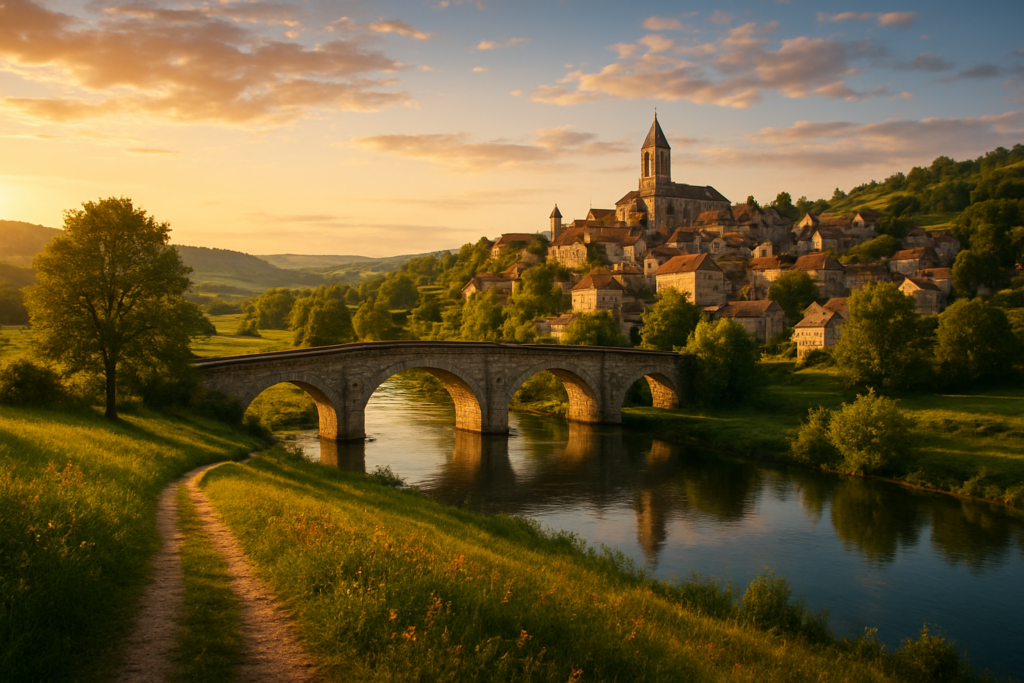
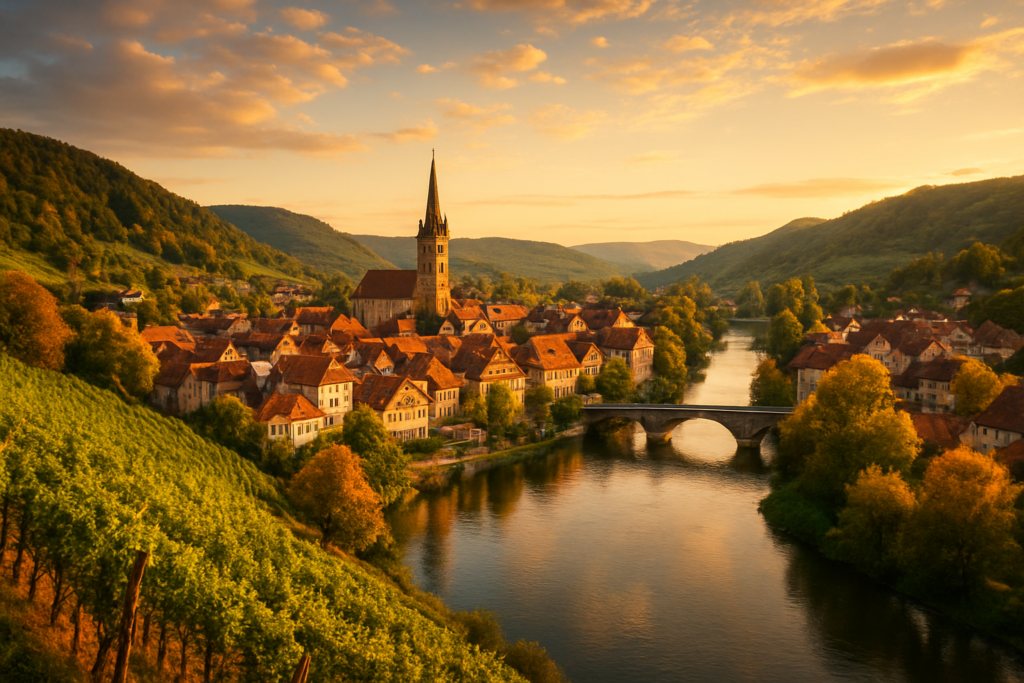
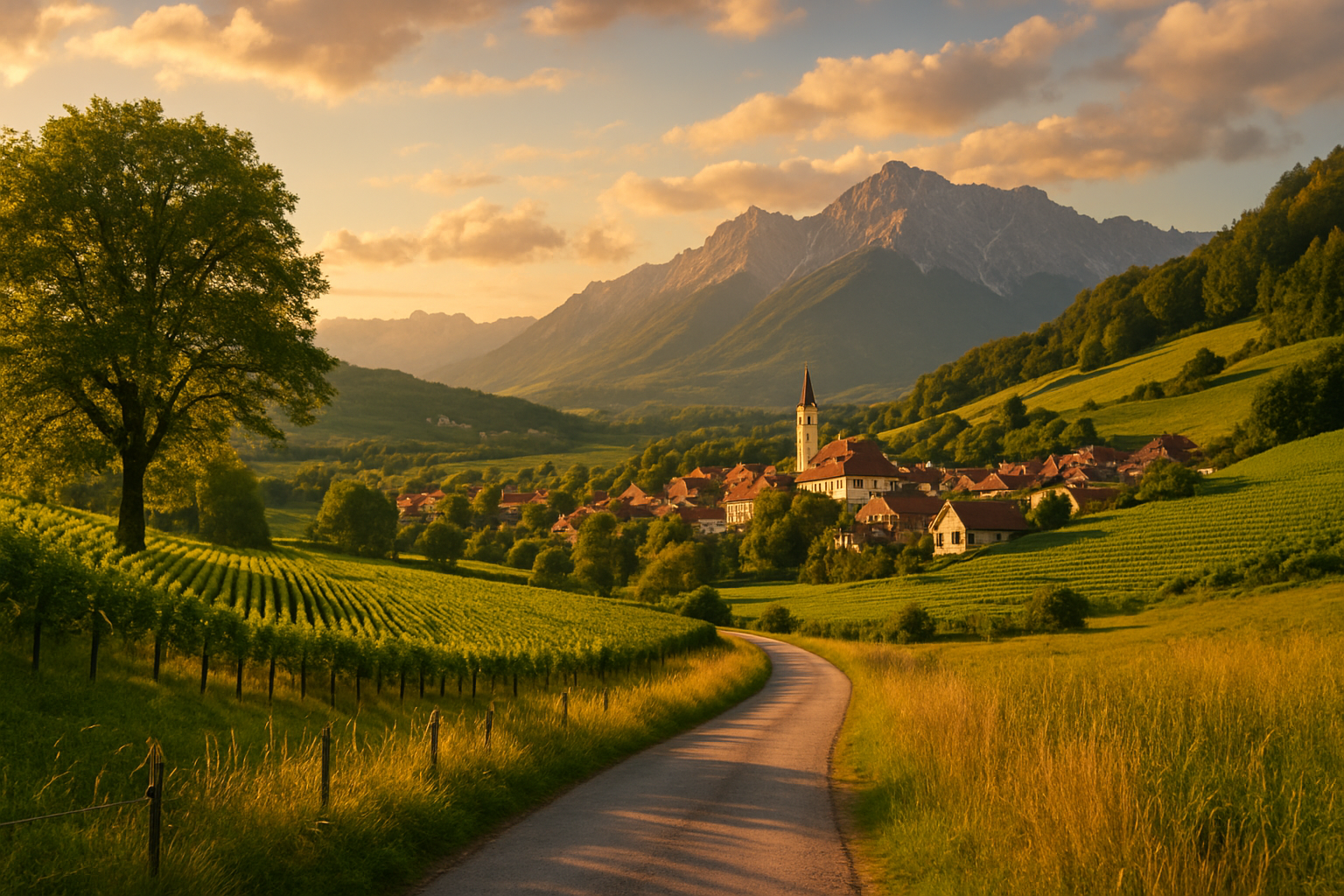
Golden hours are real, and they can totally transform a location. Plan major landmarks for early morning or late afternoon. Then, fill the midday hours with indoor stops or slower walks. This habit improves photos and makes the experience more comfortable.
Also, crowds tend to behave predictably. If you chase the quiet moments, you’ll enjoy the place more deeply. Plus, walking through iconic streets with soft light feels almost unreal. If you love sunsets, you might also enjoy 10 sunset views in Europe that feel unreal.
8. Book Nothing Immediately After Arriving
Your first day in a new city can be emotionally intense. Jet lag, new streets, and fresh logistics create mental load. Therefore, avoid locking in too many plans within hours of arrival. Instead, let the city land in your senses.
Try this: arrive, check your bearings, and choose one easy activity. Then, plan the rest after a meal and a short rest. This habit protects your energy. It also helps you avoid last-minute mistakes.
9. Carry a “Reset Kit” in Your Daypack
Travel days get busy, and comfort matters. Build a small reset kit you can access anytime. It keeps you feeling fresh and ready for the next adventure.
Consider adding:
- A portable charger and a short cable
- Reusable water bottle
- Wet wipes or hand sanitizer
- Small pain relief and a few bandages
- A compact umbrella or rain cover
- Sunglasses and a hat
Then, use it without fuss. This habit reduces stress and keeps your mood high. You’ll move more confidently and explore longer.
10. Learn 5 Local Phrases Before You Go
You don’t need to be fluent to connect with locals. However, a few phrases can open doors and earn smiles. Start with greetings and simple questions. Then add phrases for food and help.
Five great basics:
- Hello (and a friendly thank you)
- Please and sorry
- Do you have…?
- Where is…?
- How much is it?
Even if your pronunciation is imperfect, locals appreciate effort. This habit improves interactions instantly. You’ll feel more welcomed, and you’ll get better service too.
11. Take “Route Notes” Instead of Only Photos
Photos are memories, but they don’t always help you navigate later. Therefore, take quick route notes during the trip. Write down small details while they’re fresh. That makes future planning easier and helps you repeat great moments.
Try jotting:
- Which stop name matched your landmark
- Where you found the best bakery nearby
- The safest, fastest walking path
- The ideal time for fewer crowds
- How much the tram or ticket cost
This habit turns your phone into a smart travel assistant. Plus, it helps you share tips with friends after you return.
12. Aim for “One Neighborhood Per Half-Day”
Instead of sprinting between attractions, focus on area-based travel. Choose one neighborhood for the morning and another for the afternoon. Then, explore slowly within each area. This habit reduces backtracking and increases discovery.
For example, pick a district with a market. Spend time browsing, then walk to a viewpoint nearby. After that, head to dinner in the same region. The result feels more local and less rushed.
13. Keep Your Accommodation Switch Plan Simple
Moving hotels can either refresh your trip or drain your energy. To improve the experience, simplify the switch process. Before checkout, confirm the check-in time at the next place. Then, plan your luggage storage options.
It also helps to choose accommodations strategically. Look for places near transit lines or walkable areas. If you want practical booking advice, read 10 things to know before booking accommodation in Europe. That checklist can save you both time and money.
14. Build in “No-Agenda” Time Daily
Even the most beautiful itinerary needs breathing room. So include at least one no-agenda block each day. It could be an hour in a park, a wander through side streets, or a long lunch. This habit prevents your trip from feeling like nonstop work.
Unexpected discoveries often happen during unplanned time. You might stumble upon a hidden church, a small gallery, or a view you didn’t know existed. If you protect that space, you’ll notice more. Your Europe trip becomes a story, not a schedule.
15. Do a Weekly “Re-Anchor and Recharge” Check
Travel momentum is real, and sometimes it needs adjustment. Once per week, take a moment to evaluate your pace. Ask yourself what felt great and what felt heavy. Then, adjust your remaining days accordingly.
This is where your trip becomes yours. If you’re overpacked with museums, add a scenic walk day. If you’re craving culture, schedule a guided experience. If you’re feeling tired, extend your rest and shorten your touring.
Re-anchoring also helps with logistics. You’ll spot potential transit issues early. It keeps you calm, prepared, and excited. Instead of pushing through, you’ll travel with intention.
Key Takeaways
- Use one anchor plan per day, then stay flexible for surprises.
- Walk first, travel lightly, and protect comfort with smart packing.
- Plan big sights around light and crowds for calmer, better moments.
- Build daily no-agenda time and do weekly recharge checks.