15 Travel Tips That Make Europe Trips More Enjoyable
Europe can feel like a movie set—perfect streets, dramatic history, and snacks that somehow taste even better outside. Still, smooth travel doesn’t happen by accident. With a few smart tweaks, your days get calmer, your plans get easier, and your joy gets bigger.
Below are 15 travel tips that make Europe trips more enjoyable. They’re practical, evergreen, and ready for any season. Whether you’re hopping between cities or taking slow coastal routes, these ideas will help you travel with confidence.
1. Plan “Flexible” Days, Not Just Busy Schedules
It’s tempting to map every hour. However, Europe rewards unplanned wandering. When you build in breathing room, your trip feels less stressful and more playful.
Try this approach: schedule must-dos, then leave extra time for detours. If a museum line is long, you can pivot to a nearby café or viewpoint. Plus, you’ll have energy for evening strolls, not just checklists.
To make flexibility real, consider these options:
- Book one timed activity per day
- Keep mornings open for markets and neighborhoods
- Choose dinner spots after exploring
- Use “backup plans” within walking distance
2. Learn the Local Rhythm of Public Transport
Public transport in Europe can be brilliant. Yet, it also has its quirks. If you understand the rhythm, you’ll spend less time waiting and more time discovering.
Start by checking the basics: station names, ticket rules, and whether you need validation. Then, learn the timing patterns. Many cities have predictable peak rushes, followed by calmer afternoons.
If you want an easy guide, read 15 Tips for Navigating Public Transport in Europe. It’s packed with simple strategies that reduce confusion fast.
3. Pack Light Enough to Move Effortlessly
Europe has cobblestones, stairs, and charming but compact spaces. Therefore, heavy luggage can turn fun days into endurance sessions. The goal is simple: pack what you’ll actually use.
Use a “capsule” mindset. Choose versatile layers and comfortable shoes you can walk all day. Then, keep your toiletries minimal and refill-friendly.
Quick packing rules that work in most European countries:
- Bring one versatile jacket
- Wear shoes you trust for long walks
- Keep a small daypack for outings
- Use packing cubes to stay organized
4. Bring the Right Power Adapter and a Backup Cable
Small items can save big headaches. Europe uses multiple plug types, and charging spots aren’t always where you expect. So, bring the correct adapter and charge smart.
Also, carry a backup cable if your phone charger is your lifeline. You’ll feel calmer when you can charge anywhere. Plus, you’ll be ready for maps, translation, and capturing those golden-hour photos.
5. Choose Neighborhood-Based Hotels Over City-Center Stress
Staying in a super central location can be convenient. However, it can also mean noise, higher prices, and crowds. Instead, pick a neighborhood with great local transit and a lively street scene.
Look for areas near a metro line or tram route. Also, check for nearby groceries and bakeries. That way, you can fuel up without constant trips back to your hotel.
A great stay feels like part of the city. Therefore, prioritize walkability to cafés, parks, and local markets.
6. Reserve Key Tickets Early, but Don’t Overbook
Some European attractions sell out or have limited time slots. Booking ahead helps you lock in iconic experiences. Still, overbooking can drain your trip.
Choose early reservations wisely. Prioritize popular museums, major viewpoints, and special tours. For everything else, leave room for spontaneous decisions.
Consider this simple planning ratio:
- Book 30–50% of activities in advance
- Keep 30–40% flexible
- Leave the rest for discoveries
7. Eat Like a Local: Follow Markets and Lunch Spots
Europe is full of unforgettable food. Yet, tourist areas often push menus designed for speed and spectacle. If you want delicious meals with less stress, hunt for local rhythms.
Start with markets, bakeries, and lunchtime spots. Watch where families and workers eat. Then, order what looks best that day, not just what’s trendy.
For a fun, immersive twist, try:
- One market breakfast or snack crawl
- One “menu del día” style lunch
- One local pastry you’ve never heard of
- One regional dish outside the main squares
8. Use Translation Tools, but Learn Simple Phrases
Translation apps are helpful, and they’re getting smarter each year. However, a little local language goes a long way. Even one friendly phrase can turn a situation from awkward to wonderful.
Try learning a small set of phrases. Keep them short and easy. Locals will appreciate the effort, and it can lead to better recommendations.
Helpful phrases to practice:
- Hello and thank you
- Where is…?
- How much does it cost?
- Do you have vegetarian options?
9. Plan Your “Must-See” Viewpoints by Time of Day
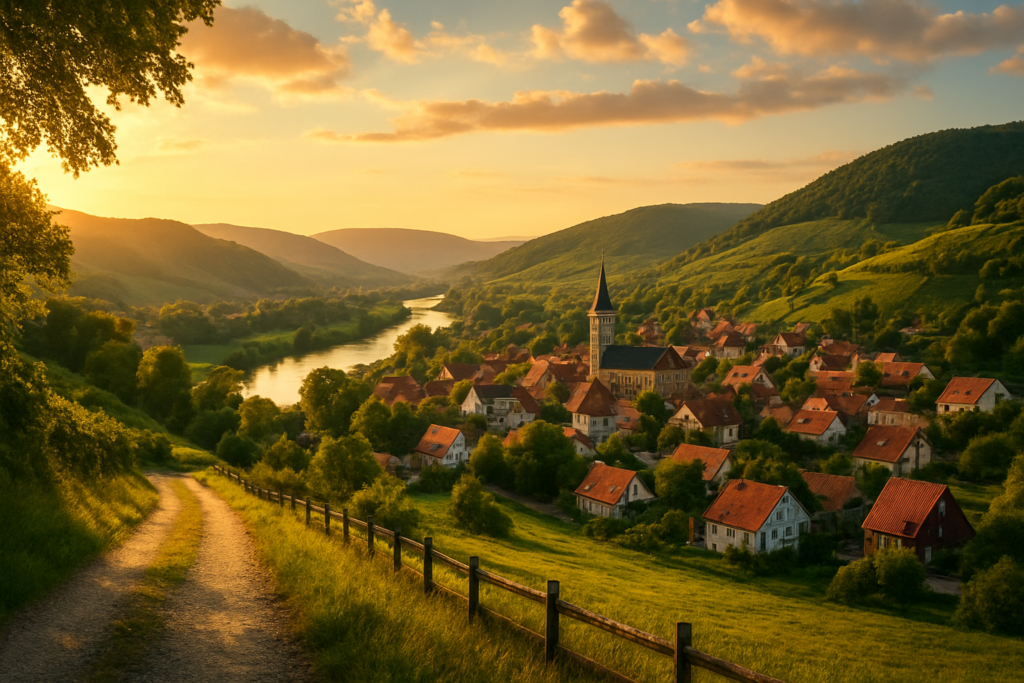
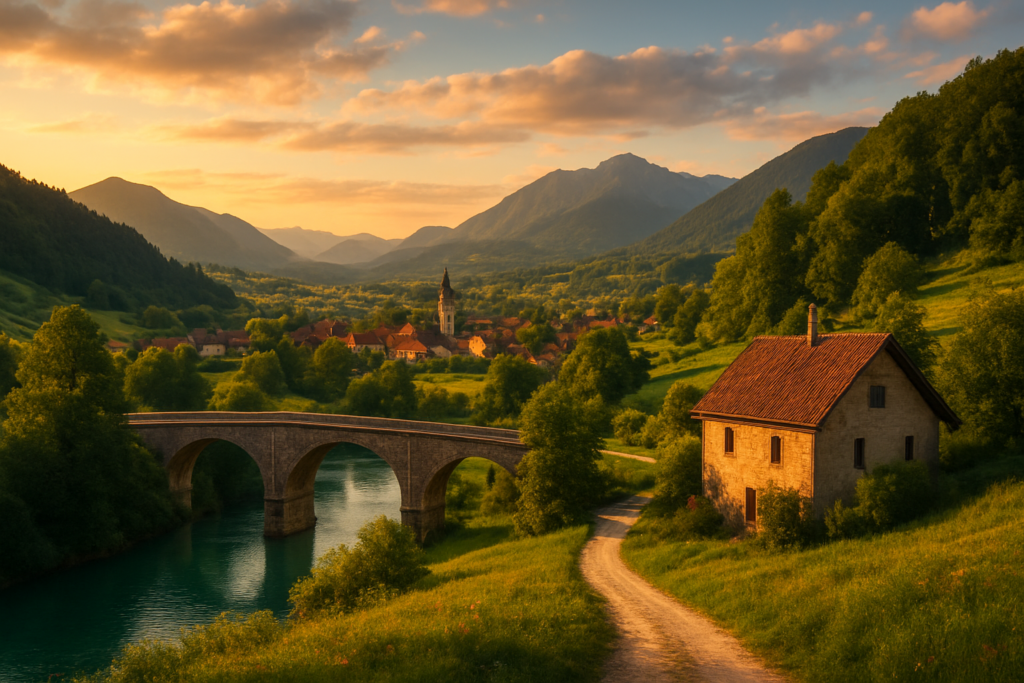
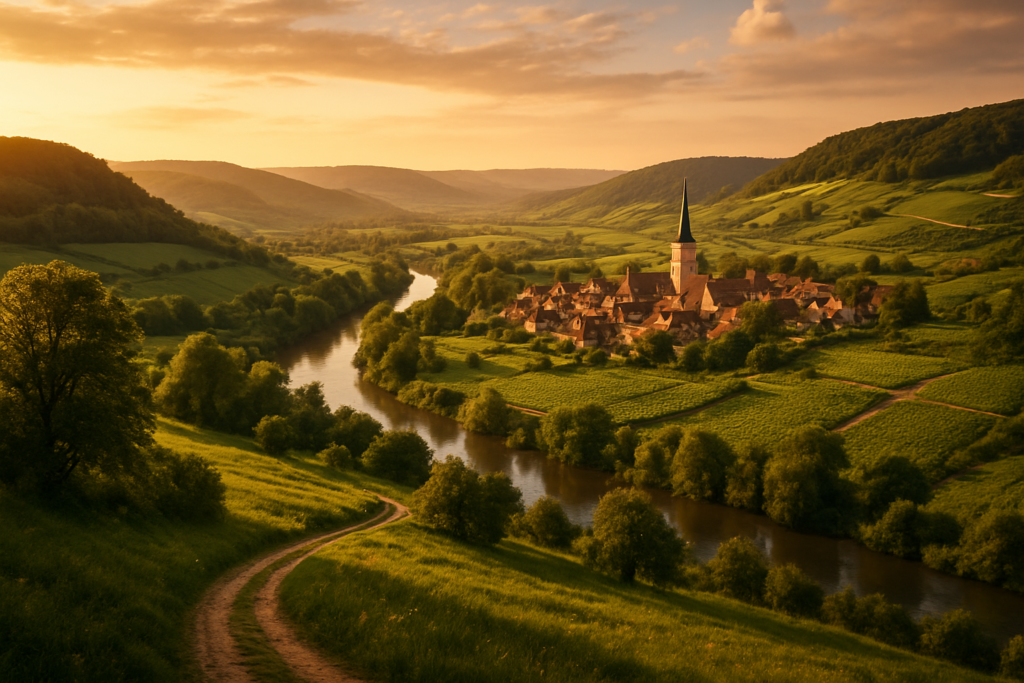
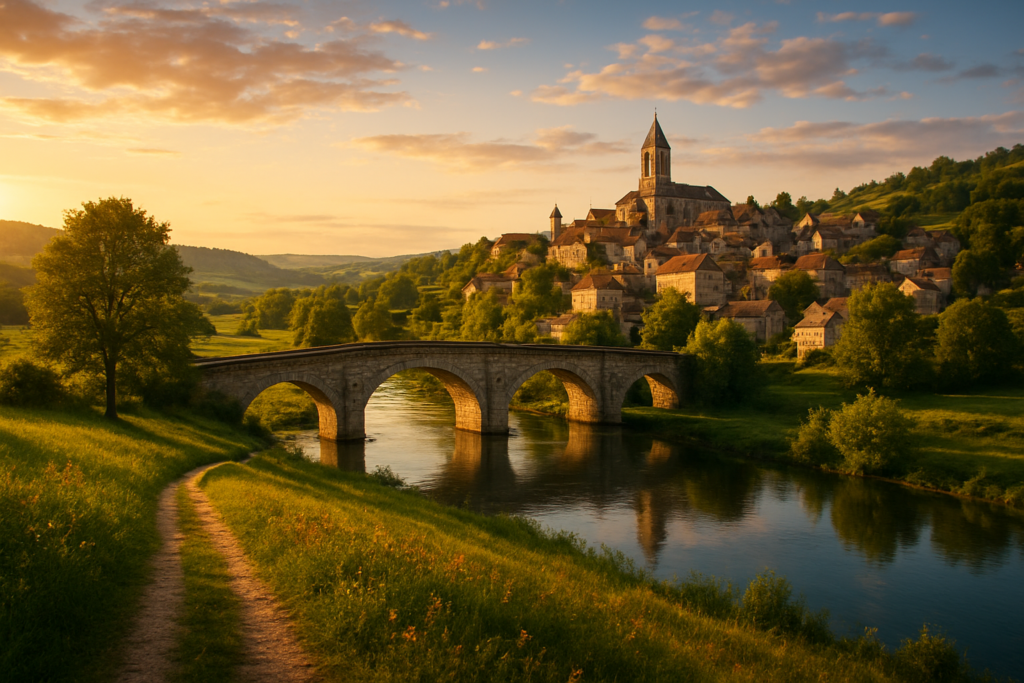
Some sights feel unreal, especially at the right hour. Morning light can be soft and quiet. Evening light can make stone buildings glow.
Therefore, research viewpoints by sunrise, sunset, and peak crowds. Then, align your day plan around that golden window. Even if you only stay 30 minutes, you’ll feel rewarded.
If you love jaw-dropping scenery, you might enjoy These Viewpoints in Europe Feel Unreal. It’s ideal for building a mood-based itinerary.
10. Avoid Tourist Traps by Timing and Scouting Side Streets
Tourist traps often look tempting because they’re right in front of you. Yet, quality tends to hide a little farther away. The trick is to scout beyond the main route and adjust timing.
Arrive early, explore adjacent streets, and compare options. If a place feels overly scripted, it probably is. Instead, look for menus with local specialties and reasonable pricing.
For more targeted advice, check How to Avoid Tourist Traps in Popular European Destinations. It’s a smart companion for any itinerary.
11. Expect Delays, Then Build Calm Contingency Plans
Even the best trips face delays: train changes, weather shifts, or crowded stations. Therefore, don’t treat delays as failures. Treat them as detours.
Have a simple plan before you travel. Know where you’ll wait, where you’ll eat, and how you’ll rebook if needed. Also, keep offline maps handy.
If you want a deeper strategy, read How to Handle Unexpected Delays While Traveling Europe. It helps you stay flexible instead of frustrated.
12. Choose One “Big” Experience per Day
Europe offers endless attractions. However, your brain needs rest between highlights. So, pick one major experience per day, then surround it with smaller joys.
For example, pair a museum with a nearby neighborhood walk. Or match a cathedral visit with a short café break. This pacing keeps you present and energized.
You’ll also enjoy spontaneous discoveries more. That’s where the magic lives.
13. Walk More Than You Think You Can, Then Rest on Purpose
Walking is a European superpower. You’ll see details cars can’t show. Yet, too much walking without rest makes the day feel heavy.
So, plan recovery breaks like they’re part of the itinerary. Find a bench in a plaza, step into a bookstore, or grab a slow drink. When you rest on purpose, you’ll walk better later.
A great rhythm is: explore, sit, snack, explore. It sounds simple, and it works beautifully.
14. Keep a “Trip Log” for Better Memories
Travel memories fade unless you capture them. Therefore, use a tiny daily habit. Write a few lines about what surprised you.
You can also track practical notes. Which train line worked best? Which café had the best pastry? These details help your future self—and help you share the story.
Try this quick template:
- One highlight
- One unexpected moment
- One tip for next time
15. Stay Curious: Choose One Unusual Detail per Day
Iconic sights are great. Still, the most enjoyable trips include small surprises. Therefore, challenge yourself to notice one unusual detail daily.
That detail might be a hidden courtyard, a street musician, or a quirky sign in local language. When you focus on the unusual, the trip feels richer. It also helps you travel slower, even when schedules are tight.
Finally, remember that “better” doesn’t always mean “more.” A calmer day can be more memorable than a packed one.
Key Takeaways
- Build flexible days to reduce stress and boost enjoyment.
- Master local transport rhythm for smoother movement between stops.
- Pack light, reserve smart, and protect your energy with planned breaks.
- Use scouting and timing to dodge tourist traps and find local flavor.