15 Waterfalls in Europe That Are Totally Worth It
Raise your hand if you love that first glimpse of a waterfall. You know the one—when the road turns, the air cools, and sound fills the valley. Europe is packed with falls that feel straight out of a storybook. Even better, many are reachable by unforgettable hikes.
In this guide, I’m sharing 15 waterfalls in Europe that are totally worth it. You’ll find a mix of dramatic plunges, wide cascades, and hidden drops. Plus, I’ll include practical hiking and visiting tips so your trip feels easy and exciting.
Also, if you enjoy exploring on foot, you might like this hidden trail in Europe is worth every step. And for scenery lovers, 10 mountain views in Europe you need to see once pairs perfectly with waterfall days.
1. Dettifoss (Iceland) — Europe’s Thunderous Power
Dettifoss is famous for a reason. It’s one of Europe’s most powerful waterfalls, carved into Iceland’s dramatic landscapes. The water thunders wide, and the spray feels like a weather system of its own.
You can reach viewpoints with short walks from parking areas. However, conditions can be harsh, especially during wind and rain. Therefore, wear sturdy shoes and pack a light waterproof layer.
Best time to visit: Late spring through early autumn for easier access. Winter offers big atmosphere, but trails can be dangerous.
Hike idea: Combine Dettifoss with nearby canyon viewpoints for a full “water-and-rock” day.
2. Niagara Falls? No—Try Krimmler Wasserfälle (Austria)
In Austria, Krimmler Wasserfälle is a waterfall day that feels seriously epic. It’s often considered among the tallest and most impressive in Europe. In fact, the multiple drops create a dramatic, layered effect.
What makes this place shine is accessibility. You can enjoy viewpoints along well-maintained paths. As you move higher, the falls fill your entire field of view.
Best time to visit: Summer for comfortable walks, or early autumn for crisp air.
Tip: Bring a poncho. Even from viewpoints, mist can reach you fast.
3. Rhine Falls (Switzerland) — The Wide, Roaring Classic
Rhine Falls is the kind of waterfall you can enjoy even if your vacation is busy. It’s big, bright, and easy to experience from multiple viewpoints. On sunny days, you’ll often spot rainbows in the spray.
Because the area is well developed, it’s perfect for families and first-timers. Additionally, the surrounding region offers scenic walks along the river. You can make the experience as relaxing or adventurous as you want.
Best time to visit: Year-round, though spring and summer are especially lively.
Easy plan: Pair the falls with a stroll and a local meal nearby.
4. Plitvice Waterfalls (Croatia) — Lakes, Trails, and Mirror-Water Magic
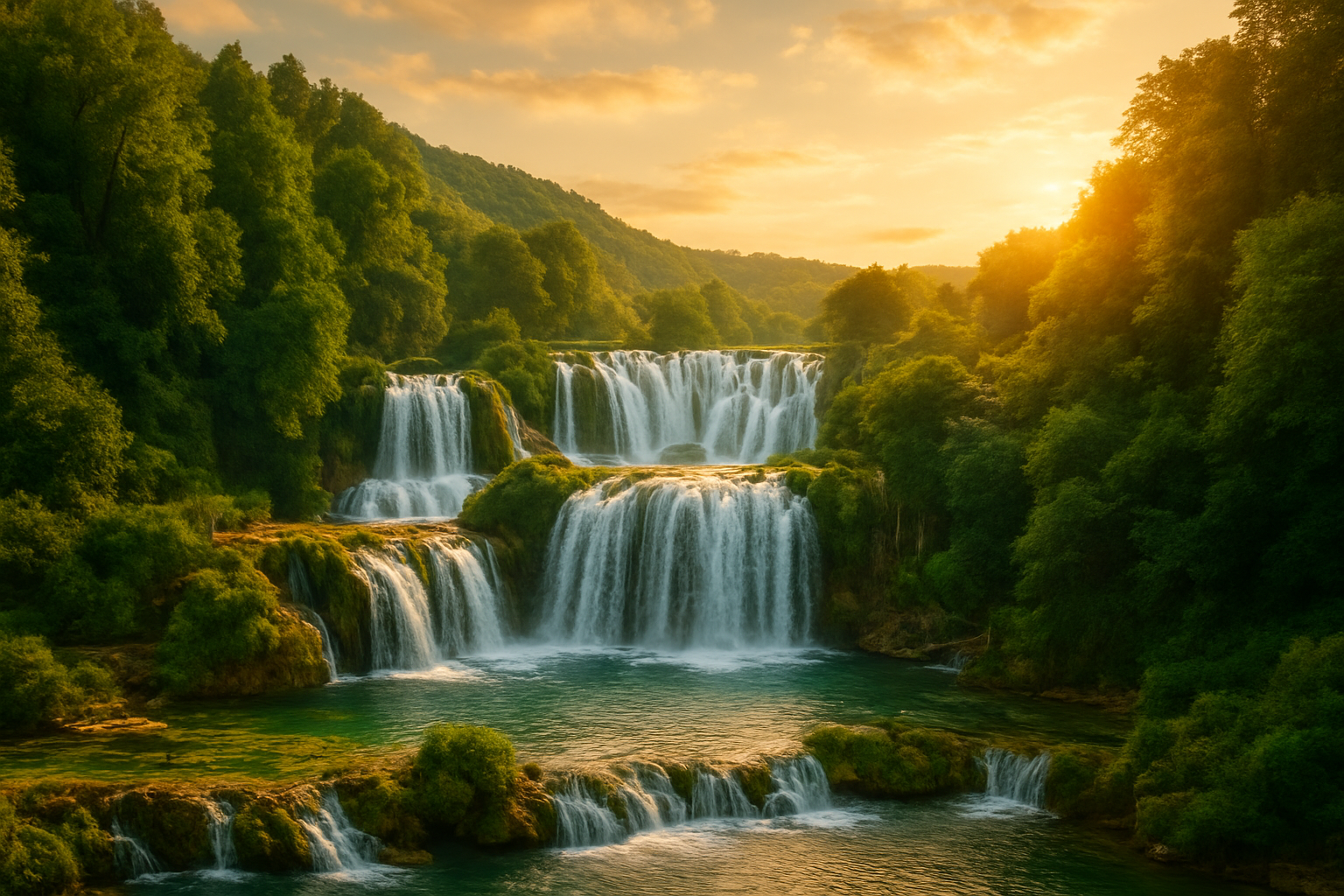
Plitvice isn’t just a waterfall destination. It’s a whole world of lakes connected by cascading waterfalls. As a result, each step reveals a new angle, a new color, and a new soundtrack.
The park has marked routes, boardwalks, and boat connections. Therefore, you can choose a short loop or a longer day. Even better, the water changes from turquoise to deeper blue as you move.
Best time to visit: Spring for flowers, or early autumn for fewer crowds.
Photography tip: Go in the morning for softer light and calmer reflections.
5. Krka Falls (Croatia) — Waterfalls with a Sunlit Lagoon Vibe
Krka National Park offers a different mood than Plitvice. Here, the waterfalls feel gentler and more sunlit. However, the views are still wildly impressive.
You can walk pathways near the water and enjoy classic overlooks. Furthermore, the park’s greenery makes every photo feel alive. Afterward, you can cool off near designated swimming areas.
Best time to visit: Late spring through September for maximum warmth.
Plan: Combine waterfalls with a longer boardwalk route for variety.
6. Skógafoss (Iceland) — The Iconic Fall You’ll Never Forget
Skógafoss is one of Iceland’s most recognizable waterfalls. The water drops with steady force, and the mist creates that magical “almost glowing” look. Also, it’s a popular stop for a reason—there’s simply so much to see.
You can view it from the base or from higher trails. Climbing a set of steps leads toward panoramic views. Then, the valley below looks unreal, like a hidden world.
Best time to visit: Summer for longer daylight and comfortable walking.
Hike idea: Climb for views, then return for sunset vibes if weather cooperates.
7. Wasserfall bei Trümmlach? — Staubbach Falls (Switzerland)
Staubbach Falls in Lauterbrunnen is a misty, fairytale favorite. It’s tall, dramatic, and framed by steep valley walls. When the light hits just right, it feels like the mountains are giving you a secret show.
The waterfall is relatively easy to reach from the village area. From there, you can enjoy a short walk through the valley atmosphere. If you’re feeling energetic, the nearby hikes offer deeper views.
Best time to visit: Year-round, though spring brings fresh water and lush greenery.
Photo tip: Try a cloudy day. Mist creates softer, dreamy lighting.
8. Falls of the Rhine at Schaffhausen? Go for Rheinfall
Okay, I already mentioned Rhine Falls—but this is the part where I tell you to slow down. The best experience isn’t just looking. It’s taking your time among viewpoints, listening to the roar, and watching boats drift in the mist.
If you love travel photography, you can capture the falls from multiple angles. You can also explore nearby paths that keep the scenery changing. In other words, you can turn one stop into a mini-adventure.
Best time to visit: Early morning or late afternoon for softer light.
Do this: Spend time near viewing platforms instead of rushing.
9. Cascata delle Marmore (Italy) — A Controlled Spectacle
Cascata delle Marmore is known for its striking, human-made structure. Still, it feels entirely natural when you stand close. The falls spill into a valley gorge with impressive force.
There are multiple viewing spots and scenic walking areas. Therefore, you can enjoy it without needing long hikes. Additionally, evening viewing can be unforgettable, depending on seasonal schedules.
Best time to visit: Spring and autumn for comfortable walking temperatures.
Tip: Check local event timings for special evening performances.
10. Savica Waterfall (Slovenia) — Alpine Beauty with a Clear View
Slovenia does waterfalls with style. Savica Waterfall delivers an elegant drop surrounded by alpine scenery. The path here is usually manageable, making it a great half-day outing.
In addition, the surrounding mountains create a sense of space. You’ll likely feel like you’ve escaped into a postcard. Then, the waterfall itself gives you that “wow” moment without needing a complicated plan.
Best time to visit: June to early autumn for best trail conditions.
Hike idea: Combine the waterfall with nearby lake or forest strolls.
11. Mardalsfossen (Norway) — The Tall Drop with a Dramatic Setting
Mardalsfossen is a Norwegian waterfall with big vertical drama. It’s tall, powerful, and surrounded by rugged landscapes. As you approach, the sound gets louder, and the mist grows thicker.
Most visitors can reach viewpoints with relatively short walks. However, Norway’s weather can change quickly. Therefore, bring layers and keep an eye on trail conditions.
Best time to visit: Summer for safer walking and longer daylight.
Photography tip: Use a fast shutter for crisp water detail in bright conditions.
12. Waterfalls of the Plitvice Rival? Zillertal’s Krimml Waterfalls Again
If you love Krimml’s sweeping power, you’ll understand why people keep returning. In Zillertal, the falls don’t just impress once. They impress in layers, as you climb closer and higher.
Consequently, it’s one of those places where each viewpoint feels fresh. The surrounding area also supports hiking and scenic stops. So, you can make your waterfall experience longer than a quick photo stop.
Best time to visit: Warm months for comfortable routes.
Smart move: Start earlier to enjoy calmer trails and better light.
13. Waterfall of the Baldi? Soča Valley Waterfalls (Slovenia)
Slovenia’s Soča Valley is famous for its river, but waterfalls here are a hidden bonus. You can find smaller cascades alongside scenic paths. They’re perfect when you want waterfall energy without crowds.
Because this region is wild and green, your walk feels adventurous. Also, the river valley setting makes everything look vibrant. If you enjoy “slow travel,” this is a great match.
Best time to visit: Late spring through early autumn for lush greenery.
Tip: Look for marked viewpoints near trailheads before you commit.
14. Fervenza do Ézaro (Spain) — The Waterfall That Meets the Sea
Fervenza do Ézaro is a standout because it’s a waterfall by the ocean. The dramatic drop flows directly toward the sea. Then, the coastline adds an extra layer of movement to the scenery.
Walking routes let you get close while still enjoying safe viewpoints. Also, if you like coastal travel, this one hits two cravings at once. You get waterfall sound and salty sea air in the same moment.
Best time to visit: Winter through spring for strong flow after rain.
Check: Water levels can vary, especially during drier months.
15. Levada da Risco? Carved Wonders at the Azores (Portugal)
The Azores can feel unreal for travelers who love landscapes. Waterfalls here often come wrapped in misty forests and volcanic terrain. The result is a sense of discovery, even if you’ve seen many waterfalls.
You’ll find trails that lead through greenery toward cascading drops. Because routes vary by island and season, it helps to plan your day around weather. Still, even short walks can deliver big scenery.
Best time to visit: Shoulder seasons for comfortable hiking conditions.
Tip: Bring a waterproof shell and expect fog sometimes.
How to Plan a Waterfall Hike Without Stress
Waterfalls are magical, but planning can make the difference between relaxing and rushed. First, choose your “pace.” Some falls are quick stops, while others reward full hiking days.
Next, match your visit to the season. Many waterfalls depend on rainfall, snowmelt, or seasonal water levels. Therefore, checking flow conditions can help you avoid disappointment.
Here’s a simple checklist I swear by:
- Wear grippy shoes for wet rocks and slippery stairs.
- Bring a poncho or light rain jacket for misty viewpoints.
- Plan your timing for softer light and fewer crowds.
- Carry water and snacks if your route is longer.
- Respect closures for safety and trail protection.
Finally, leave buffer time. Waterfall areas often have multiple viewpoints. So, you’ll want time to explore without rushing your photography.
Key Takeaways
- These 15 waterfalls in Europe deliver everything from thunderous power to sea-kissing beauty.
- Plan around seasons, trail conditions, and water flow for the best experience.
- Use viewpoints and short hikes to turn each stop into a full, scenic adventure.