How to Choose the Best Season for Traveling Europe
Choosing when to travel Europe can feel like planning a puzzle. One month screams sunshine and festivals. Another offers quiet streets and cozy museums. The “best” season depends on your style, budget, and how you handle crowds.
Don’t worry—your trip can still feel magical in every season. Plus, traveling with intention is the real secret. In this guide, I’ll help you match your dream Europe to the calendar. Ready to untangle it?
What is the Best Season for Traveling Europe?
There isn’t one single best season for traveling Europe. Instead, there are “best seasons” for different goals. For example, beach lovers often prefer summer. Culture fans may find spring and autumn more comfortable.
Think of Europe as many climates in one place. Spain can be lively while Scandinavia is still warming up. Italy may host long evenings in summer, while the Alps feel crisp earlier.
So, when people ask about the best season, they usually mean a practical tradeoff. That tradeoff includes weather, crowds, costs, and what you can do outdoors.
How Does the Season Affect Your Trip?
Seasons change more than temperature. They affect daily rhythms, opening hours, and even the feel of cities. For instance, summer means longer daylight and more street life. Winter means earlier sunsets and a stronger focus on indoor experiences.
Additionally, shoulder seasons often balance everything. You get decent weather, fewer lines, and better availability. That combination is why many travelers call spring and autumn the sweet spot.
Here’s how the season usually shapes your experience across Europe.
- Weather: Impacts walking, day trips, and coastal time.
- Crowds: Changes ticket demand and restaurant wait times.
- Prices: Often highest in peak summer and holiday weeks.
- Events: Festivals, markets, and cultural celebrations vary by month.
- Transit: Some routes reduce service in winter.
Because of these factors, choosing the best season isn’t only about comfort. It’s also about planning smarter.
Why is the Season Choice Important?
When you travel determines what kind of memories you collect. You might remember Europe’s golden summer evenings in a city square. Or you might remember a winter train ride with warm pastries in hand.
Also, timing impacts your energy level. When weather is too hot or too cold, you’ll spend time adjusting instead of exploring. Meanwhile, crowds can drain your patience, even if the sights are incredible.
Finally, seasonal choice helps you get the best value. You can spend less on rooms and more on experiences. You can also secure “must-do” tickets without stress.
If you’re building an itinerary, it helps to align it with the season first. Then you can refine the details. For step-by-step planning, check out how to build the perfect Europe itinerary from scratch.
Is Summer Better Than Winter?
Summer and winter both offer unforgettable Europe. The difference is how you want your days to feel. Summer tends to be lively, social, and outdoorsy. Winter tends to be cozy, scenic, and quieter.
Let’s compare the two in a simple, travel-blog way.
Summer (June–August): Bright Days and Big Buzz
Summer is peak season in many European destinations. Cities run with energy, and tourist areas stay open late. However, you’ll also see higher prices and longer lines.
Weather is often warm across large parts of Europe. Coastal trips shine, and hiking trails feel accessible. Just keep a close eye on heat waves, especially in southern regions.
- Best for: Beach time, outdoor festivals, long days.
- Expect: Crowds and higher costs.
- Bring: Sunscreen, a refillable bottle, light layers.
Winter (December–February): Quiet Charm and Cozy Culture
Winter is a different kind of magic. Christmas markets glow across many cities, and snowy landscapes can be breathtaking. Plus, you often get lower prices outside of major holiday weeks.
That said, winter days are shorter. Some attractions close or reduce hours. In snowy regions, roads and trains may need extra planning.
- Best for: Markets, museums, winter sports, atmosphere.
- Expect: Shorter days and seasonal closures.
- Bring:Warm layers, waterproof shoes, a flexible mindset.
So is summer better than winter? If you love activity and nightlife, summer wins. If you prefer calm streets and festive vibes, winter is your best bet.
Spring and Autumn: The Sweet Spot for Many Travelers
Spring and autumn often feel like Europe’s “just right” seasons. You get comfortable temperatures for walking. You also get fewer crowds than in peak summer.
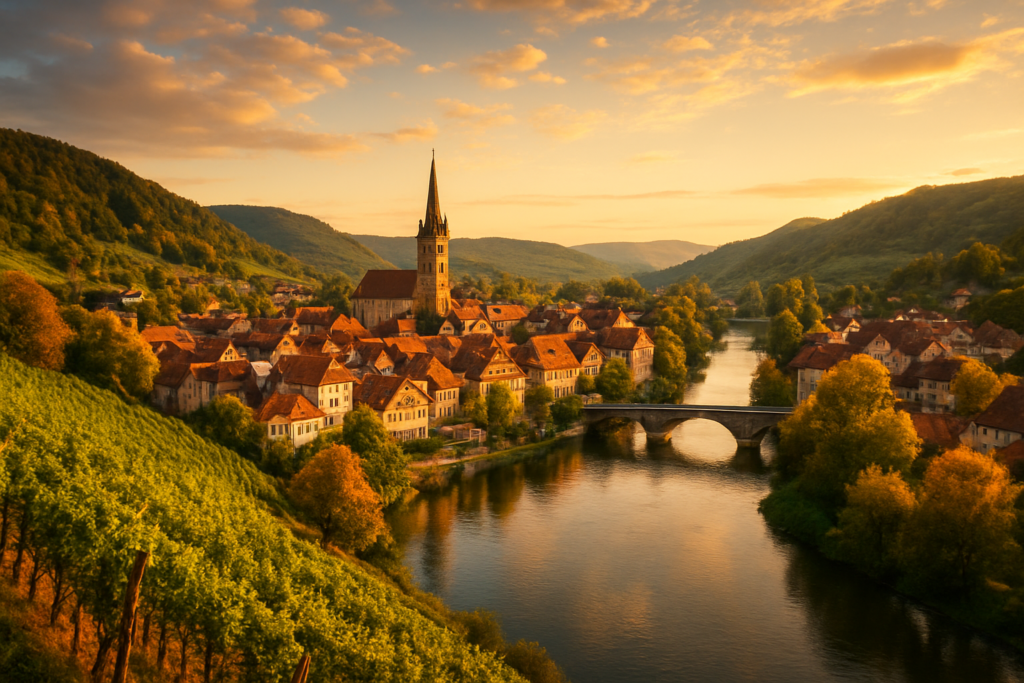
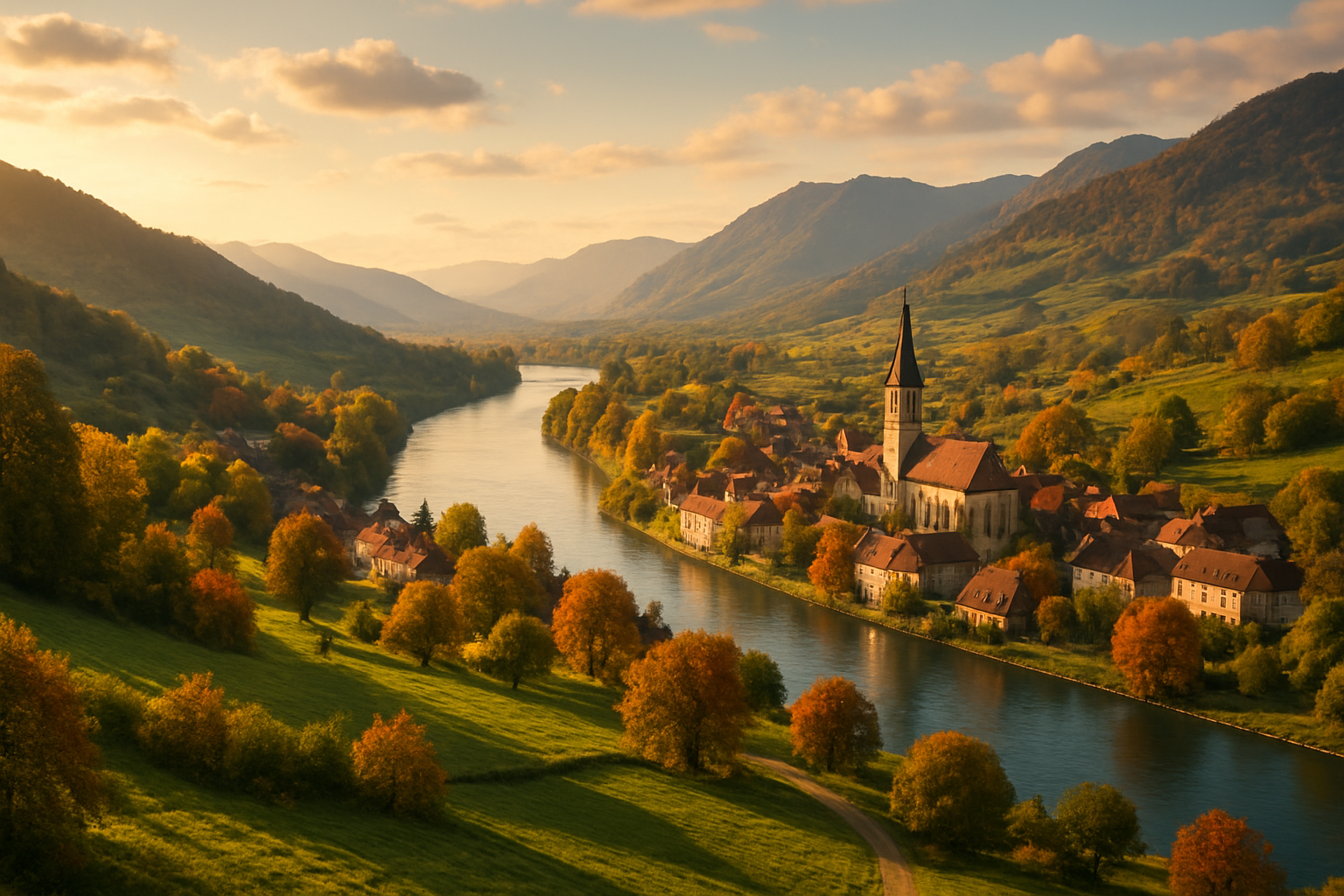
Spring brings fresh blooms and lively city energy. Autumn brings golden light, harvest flavors, and cozy evenings. Both seasons usually offer excellent conditions for road trips and day trips.
However, weather can be a little more unpredictable. You’ll want layers and rain protection. Still, the tradeoff is worth it for many travelers.
- Spring (March–May): Great for gardens, city strolling, and early hikes.
- Autumn (September–November): Great for food, wine regions, and comfortable sightseeing.
If your goal is an “easy and enjoyable” trip, shoulder seasons are hard to beat. For more planning help, you might like 15 things locals wish tourists knew before visiting Europe.
How to Choose the Best Season Based on Your Travel Style
Now for the fun part. You can choose your season by matching it to your travel personality. Ask yourself what matters most.
Here are a few common traveler profiles and the seasons that often fit them best.
If You Love Food and Wine
Consider autumn first. Harvest season brings incredible flavors across Europe. You’ll also find wine tastings and local festivals more comfortably paced.
Summer is great too, but popular regions can feel busy. If you go in late September or October, you’ll often get the best balance.
If You Want Fewer Crowds
Choose shoulder seasons. Early spring and mid-autumn often deliver calmer sights. You’ll spend more time enjoying places and less time waiting in line.
Also, consider traveling midweek. Even in busy cities, a small timing shift can help a lot.
If You’re Planning a Beach Trip
Pick summer for classic beach weather. For fewer crowds, choose June or early September. You’ll still get sun, but with a softer rush of travelers.
If you want something truly offbeat, explore coastal gems beyond the busiest hubs. For coastal inspiration, read these coastal spots in Europe feel unreal.
If You Want Outdoor Adventures
Spring and summer are popular for hiking. Yet autumn can be perfect for trails and mountains. You’ll often enjoy crisp air and dramatic views.
For winter sports, winter obviously takes the lead. Just plan carefully for weather and travel connections.
If You’re a Museum and City-Wanderer
You can travel any season. Still, winter and shoulder seasons often feel excellent for indoor days. It’s easier to move between neighborhoods without sweaty heat.
Also, shorter lines can make “big attraction days” more enjoyable.
How Weather Really Works Across Europe
Europe’s weather varies widely by latitude and geography. Coastal areas have milder swings. Mountain areas can change quickly, even in warmer months.
Instead of relying on general seasonal stereotypes, think regionally. The Mediterranean feels different than the Baltic. The Alps feel different than coastal Portugal.
Here are a few weather realities to keep in mind.
- North: Often cooler and more seasonal contrast.
- South: Summers can be hot and intense.
- Mountains: Conditions shift fast year-round.
- Coasts: Milder, breezier, and sometimes wetter.
Therefore, match your activities to local conditions. A “summer in Europe” trip might still need layers at night.
Hidden Travel Tips for Choosing the Best Season
Let’s add a few practical tips that will make your decision easier. These are the little details that separate a good trip from a smooth one.
- Watch school holiday calendars: They can double crowds overnight.
- Book “timed entry” tickets early: Popular attractions sell out quickly in peak seasons.
- Plan one flexible day: Weather happens. Build a backup museum or café day.
- Choose your base wisely: The right neighborhood saves time daily.
Also, remember that hidden gems can be season-dependent. A coastal location can feel magical in spring. Yet winter might reveal a different kind of beauty.
Can Beginners Use the Best-Season Strategy?
Absolutely. In fact, beginners often benefit most from choosing the right season. When you reduce stress, you can enjoy first-time Europe even more.
If it’s your first trip, start with the seasons that maximize comfort. Many new travelers love spring and autumn. You get manageable temperatures and calmer crowds for learning the basics.
Then, once you feel confident, you can try more specialized timing. Summer and winter can be amazing, but they require more planning.
To set yourself up for success, consider these beginner-friendly steps:
- Pick one “main” region and one “support” region.
- Choose season-friendly neighborhoods to stay based on weather.
- Leave extra time for transfers and sightseeing changes.
- Use local public transit confidently with a simple plan. If you want help, read 15 tips for navigating public transport in Europe.
Key Takeaways
Choosing the best season for traveling Europe is all about fit. Match your timing to your priorities, and your trip will feel effortless. Summer brings buzz and long days. Winter brings cozy charm and festive energy. Spring and autumn often deliver the best balance of comfort and crowd levels.
Before you book, think about weather, costs, and what you actually want to do each day. Then, build your itinerary around the season, not the other way around. With that approach, Europe will feel wide open—no matter which month you choose.