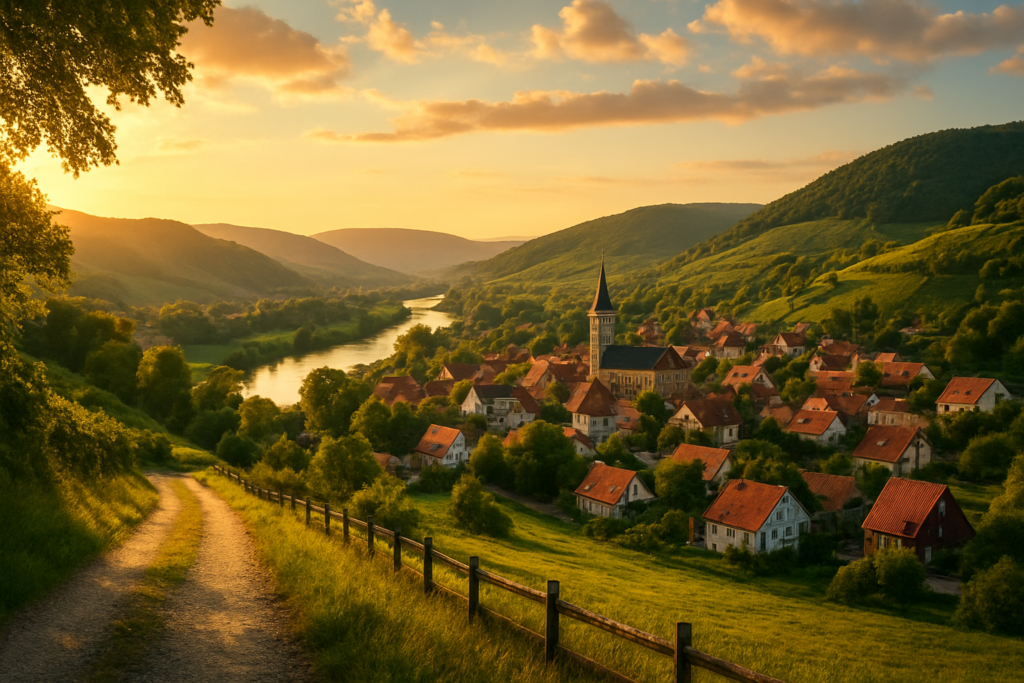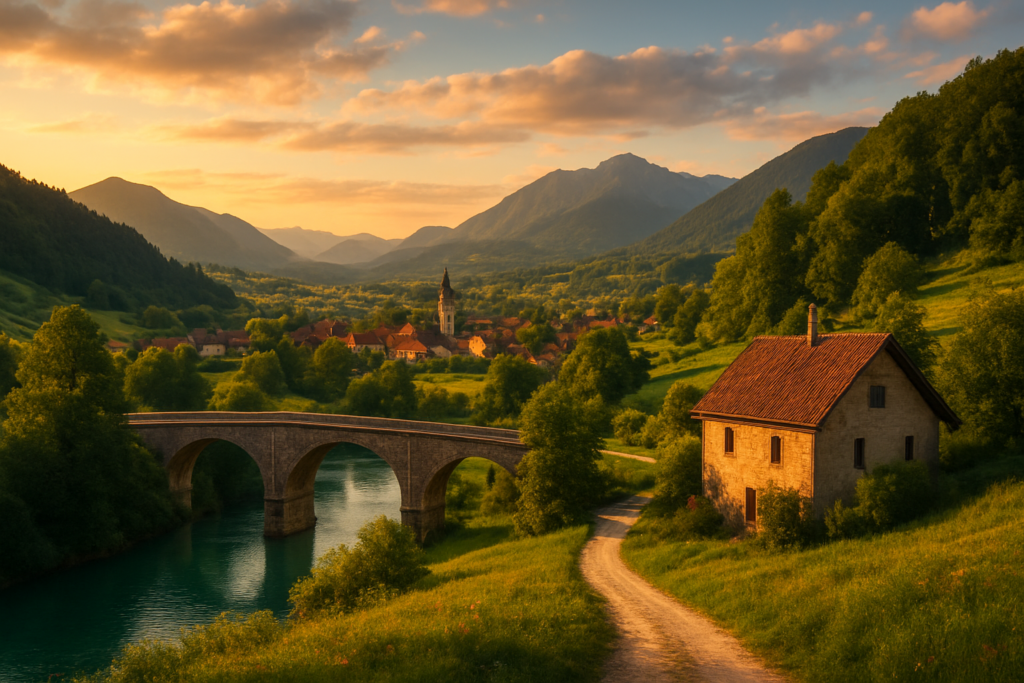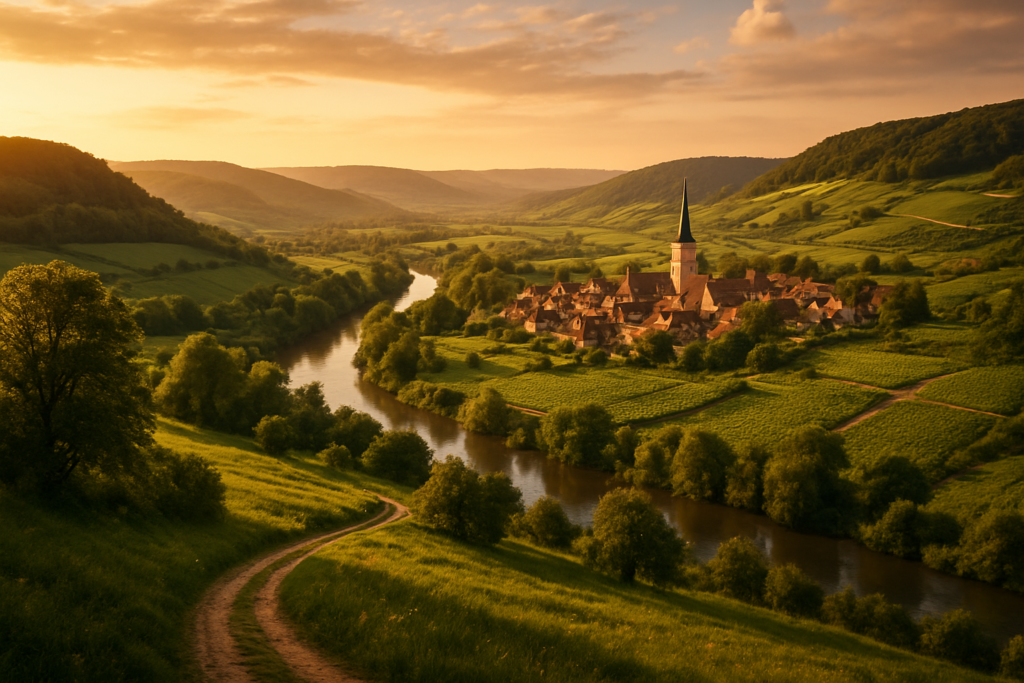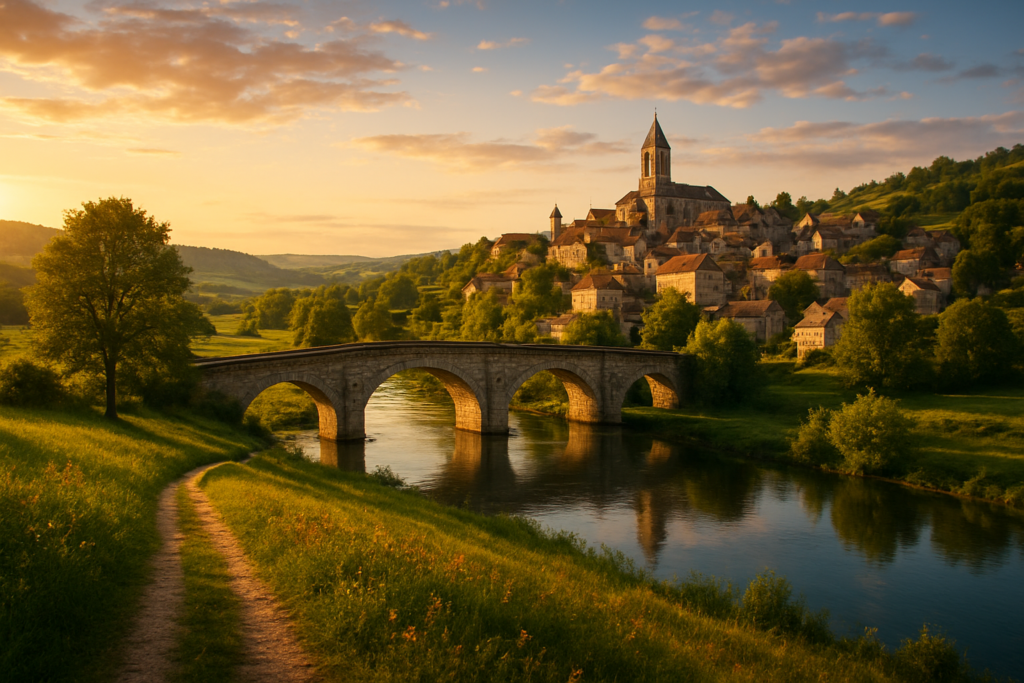
These Trails in Europe Are Worth Every Single Step
Europe has a trail for every kind of traveler. Whether you crave mountain air, sea breezes, or storybook villages, these hikes reward you fast.
Quick Overview
- Discover iconic routes and lesser-known gems across Europe.
- Learn what to expect, who each trail suits, and best seasons.
- Get practical packing and safety tips for unforgettable hikes.
Why “Worth Every Step” Trails Hit Different
There’s a special feeling when a trail starts simple and then gradually opens up. Suddenly, the landscape feels bigger than your plans. That’s when hiking becomes more than exercise. It becomes a mood shift.
In Europe, many trails are stitched into culture. You hike past quiet chapels, terraced fields, and old stone villages. Then you reach viewpoints that feel cinematic. Most importantly, the effort matches the payoff.
So, let’s lace up. Next, we’ll explore some unforgettable trails in Europe. Each one is chosen for views, atmosphere, and “let me do it again” energy.
Iconic Mountain Trails That Reward Big Time
Mountain hikes are often the first dream travelers mention. Yet the best ones are memorable for more than height. They feel immersive, like you’re walking through weather and history at once.
The Tour du Mont Blanc (France, Italy, Switzerland)
If you want a multi-country hiking adventure, this is it. The Tour du Mont Blanc loops through dramatic valleys and classic alpine villages. Along the way, you’ll see glaciers, meadows, and those postcard-gray peaks.
Because it’s longer, it suits organized hikers who enjoy planning. Alternatively, you can break it into shorter sections. Either way, you’ll feel the “earned awe” of each day’s ascent.
Best for: confident hikers and trail lovers who want variety.
Typical experience: alpine passes, refuges, and breathtaking descents.
Via Alpina: Stage Options in the Swiss Alps (Switzerland)
The Via Alpina network is made for travelers who like flexibility. You can choose stages that match your time and fitness. However, every stage shares that classic Swiss alpine magic.
As you hike, you’ll pass lush valleys and rocky ridges. Moreover, the routes are well-marked and easy to navigate. That means you spend more time enjoying the scenery.
Best for: travelers who want multiple hiking days, without committing to a full loop.
Typical experience: sweeping views, forest paths, and alpine huts.
Camino de Santiago: The Northern Route (Spain)
Not all “worth every step” trails are about elevation. The Camino de Santiago is about meaning, momentum, and meeting people. The Northern route is especially scenic, with coastal stretches and rugged landscapes.
In addition, it has a deeply human rhythm. You’ll walk with pilgrims, share stories, and feel the day’s progress in your legs. Yet the real journey is the slow, calming shift in perspective.
Best for: solo travelers, couples, and anyone craving connection.
Typical experience: coastal panoramas, historic towns, and pilgrim energy.
Coastal and Clifftop Trails with Sea-Salt Payoffs
Sometimes the best view is the one that keeps moving. Coastal trails offer that magic, as the horizon stretches alongside you. Plus, the air changes with every bend.
The Amalfi Coast Path (Italy)
The Amalfi Coast is beautiful, but hiking it turns beauty into something deeper. You’ll climb past lemon groves and hillside towns. Then you’ll drop into scenic stretches that feel suspended over the sea.
Because some sections are steep, plan your route carefully. Additionally, go early to avoid crowds and midday heat. When the trail hits its sweetest spots, you’ll understand why people return.
Best for: travelers who love dramatic scenery and don’t mind steep climbs.
Typical experience: cliffside views, villages, and sea breezes.
West Highland Way (Scotland)
Scotland’s West Highland Way is the kind of trail that feels like a storybook. You start with moody landscapes and end with wild, expansive skies. Along the way, hills roll like waves, and the air stays fresh.
Even better, the trail is straightforward to follow. You can hike day-by-day at a comfortable pace. Therefore, it’s a strong choice for travelers who want epic scenery without extreme technical challenges.
Best for: first-time long-distance hikers and nature lovers.
Typical experience: glens, lochs, and big sky moments.
GR 20: Corsica’s “Hard, Beautiful, Unforgettable” (France)
The GR 20 is famous for a reason. It’s challenging, yet the views feel almost unfairly good. Corsica’s interior is rugged and raw, which makes every step feel intense.
Because the terrain can be demanding, it suits hikers with solid experience. However, those who take it seriously often describe it as life-affirming. After a difficult climb, the reward is wide-open landscapes and crisp air.
Best for: experienced hikers chasing legendary scenery.
Typical experience: rocky passes, sweeping valleys, and summit drama.
Charming Village Walks That Feel Like Time Travel
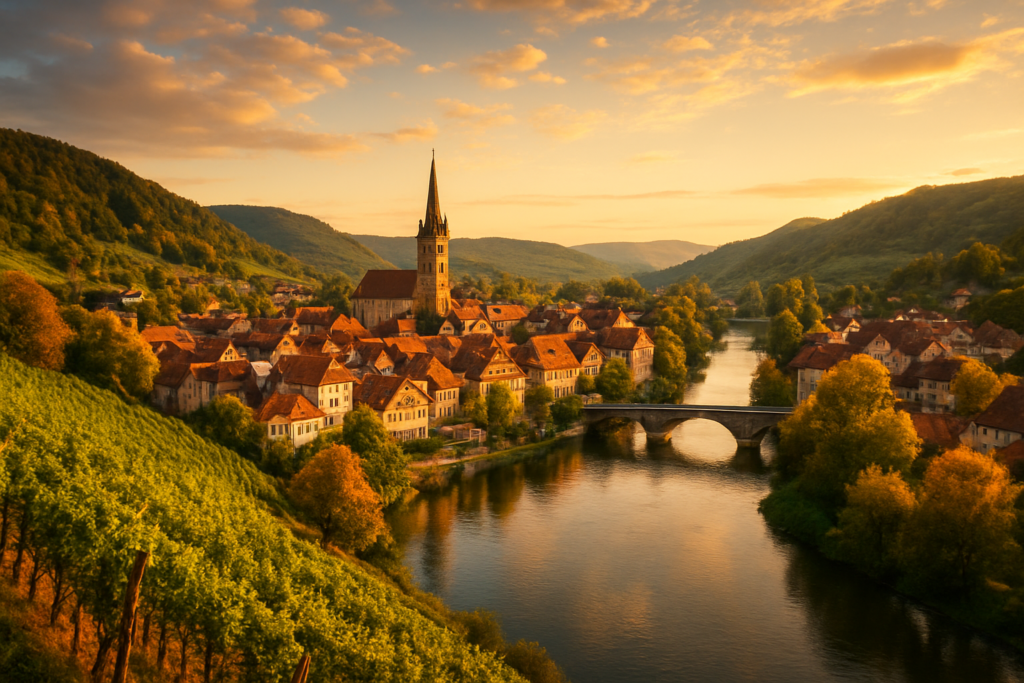
Not every “step” needs mountains. Some trails deliver pure joy through architecture, food smells, and friendly streets. Meanwhile, your hike becomes a moving stroll through local life.
Camino Francés: Classic Pilgrim Towns (Spain)
The Camino Francés is famous for a reason. Still, the experience differs across seasons and daily segments. You’ll move through historic cities, countryside lanes, and charming places built for travelers.
As you walk, you’ll notice how the route gently guides you. Each day feels like a chapter, and each town adds new energy. It’s a fantastic way to combine hiking with meaningful sightseeing.
Best for: travelers who want culture plus walking.
Typical experience: pilgrim hostels, cathedral squares, and morning starts.
Haute Route Style Trails in the Pyrenees (Spain/France)
If you want mountain drama without going too high, consider Pyrenees routes. Many trails offer that “valley to ridge” rhythm. Plus, you get a distinctly Mediterranean-meets-alpine vibe.
Also, villages along the way feel lived-in, not staged. That makes each stop feel personal. Therefore, you end up traveling slowly, even when covering distance.
Best for: travelers who like active scenery plus local charm.
Typical experience: ridgelines, river valleys, and warm village welcomes.
Forest and Old-Path Hikes in Northern Italy (various)
Northern Italy has many hiking routes that feel gentle yet rewarding. Think shaded forest trails, old mule paths, and gradual climbs. Then the views open up, revealing lakes, valleys, and distant peaks.
These trails often pair beautifully with a longer trip. You can hike one day, then explore local markets the next. Consequently, you get a well-rounded travel rhythm.
Best for: mixed plans, families, and hikers who want comfort.
Typical experience: green paths, cozy towns, and photo-friendly overlooks.
How It Works / Steps
- Pick your trail type: mountain loop, coastal path, or village walk.
- Match difficulty to your comfort: choose elevation and distance you can handle.
- Choose your season: aim for stable weather and longer daylight.
- Plan logistics: check transport links, accommodations, and trail markings.
- Pack smart: bring layers, solid shoes, water, and sun protection.
- Start early: you’ll enjoy cooler temperatures and calmer viewpoints.
- Respect trail conditions: adjust plans for rain, wind, or heat.
Examples of “Worth Every Single Step” Moments
Let’s make it real. Here are a few moments hikers often describe across Europe’s best trails.
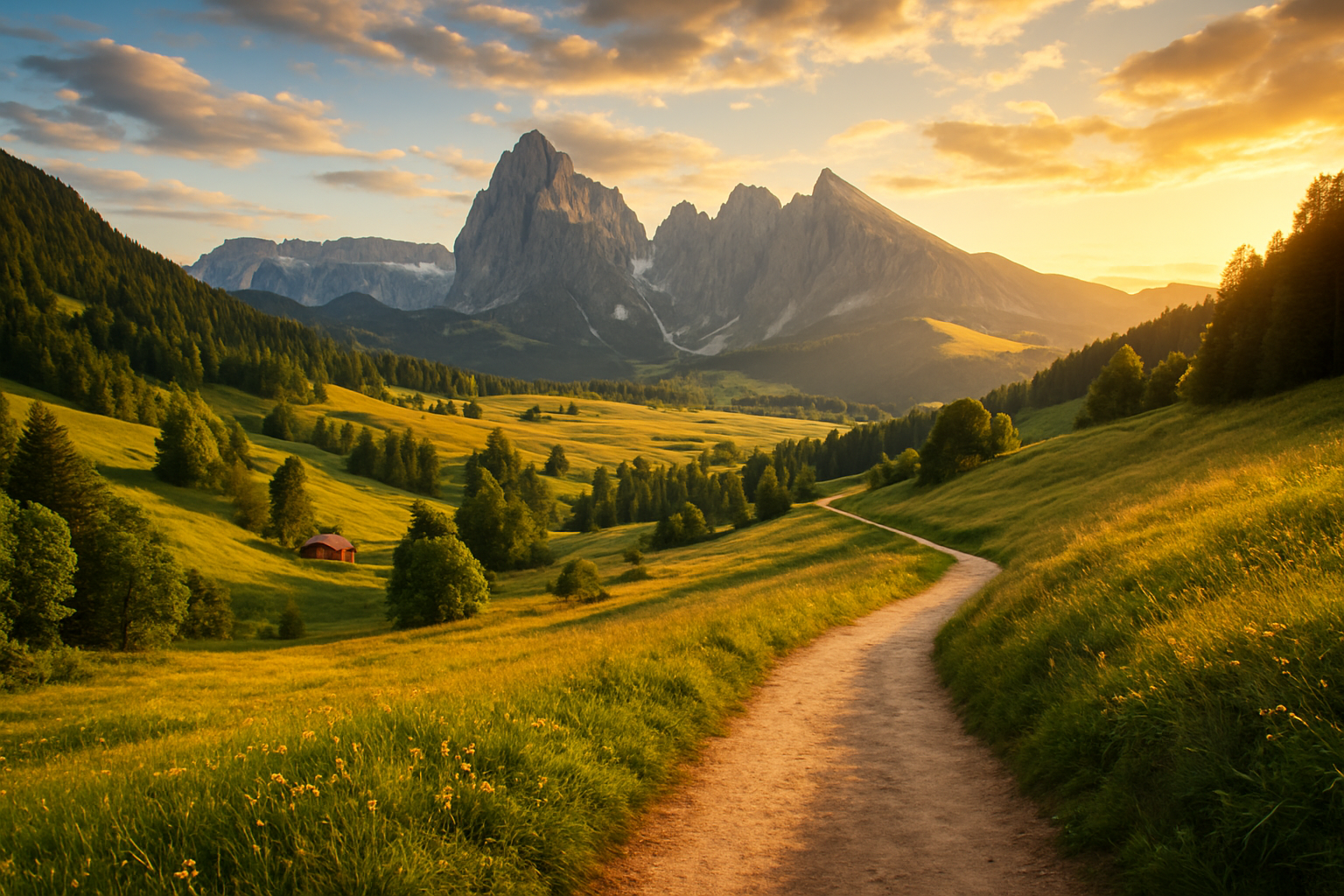
- Golden hour ridges: the sun lands on peaks like a spotlight. Your legs feel slower, yet your joy grows.
- Coastal cliff surprises: you round a corner and the sea appears. Suddenly your breath becomes part of the soundtrack.
- Village reward stops: you reach a town after a climb. Then espresso tastes like victory.
- Refuge-to-refuge magic: you hike from shelter to shelter. Each leg feels earned, but never empty.
If you love the “big view” feeling, you might also enjoy this mountain trail in Europe will take your breath away. It’s a great companion for planning your next climb.
Trail Planning Tips That Save Your Energy (and Your Mood)
Planning doesn’t have to kill the fun. In fact, a little prep keeps the experience light and stress-free. Start with the basics, then fine-tune with local guidance.
Choose the right pace
First, decide what “worth it” means to you. For some people, it’s sunrise on a ridge. For others, it’s finishing with time for dinner.
Next, pick a daily distance that feels sustainable. If you arrive early, you can explore more comfortably. Also, you’ll handle unexpected delays better.
Pack layers, not just clothes
Mountain and coastal weather can shift quickly. One hour you’re warm, and the next you’re reaching for a jacket. Therefore, bring a light layer that blocks wind.
Additionally, wear moisture-wicking basics. Then top them with something breathable. This keeps you comfortable even when the trail heats up.
Hydrate like a pro
Staying hydrated helps your body work with you. It also prevents late-day fatigue. Bring water and refill when possible.
If your route is remote, plan more carefully. Consider a small water filter or tablets. However, always follow trail rules and local guidance.
FAQs
Which of these trails in Europe is best for beginners?
Coastal and village walks are often the friendliest entry point. The Camino routes can also work well with beginner-friendly daily distances. Still, check elevation and choose shorter stages if needed.
What should I wear for European hikes?
Wear supportive hiking shoes with good grip. Then add moisture-wicking layers and a windproof jacket. Finally, bring a hat and sunscreen for exposed sections.
How early should I start hiking in summer?
Start early in the morning whenever you can. Morning hikes tend to be cooler and less crowded. Plus, you’ll have better light for photos.
Do I need a guide for these trails?
Not always. Many routes are well marked and accessible with maps. However, for remote or challenging segments, a local guide can increase safety and confidence.
Are these hikes good for solo travelers?
Absolutely. The Camino is especially welcoming and social. Many long-distance hikes also attract solo hikers, so you’ll often meet friendly people along the way.
Key Takeaways
- Europe’s best trails balance effort with unforgettable scenery.
- Choose routes that match your fitness and travel style.
- Plan logistics and pace to keep the hike fun.
- Early starts, smart layers, and hydration make a huge difference.
Conclusion
These trails in Europe are worth every single step because they do more than impress. They change how you see the world. One ridge can teach patience, while one coastal curve can reset your whole mood.
So pick one route, then commit to the experience. Start early, walk kindly, and let the scenery do the talking. After that, you’ll understand why hikers keep coming back.
And when you’re ready for more inspiration, explore these villages in Europe will steal your heart instantly to pair your next hike with pure charm.