10 Things That Will Surprise You When Traveling Europe
Europe is famous for grand castles and postcard streets. However, the best memories often come from the small, unexpected moments. That’s why I love visiting again and again. Each trip brings fresh surprises, even in places you thought you knew.
In this guide, I’m sharing ten things that will surprise you when traveling Europe. Some are cultural, some are practical, and all of them are useful. Plus, I’ll help you stay cheerful when the unexpected shows up. Let’s go!
1. Many places run on “real life” schedules, not tourist schedules
You’ll quickly notice that some museums open later than you expect. Meanwhile, local shops may close for a long midday break. That pause can feel strange at first. Yet it also reveals how people actually live there.
Instead of fighting the rhythm, you can plan around it. Use the mornings for major sights. Then shift to cafés, long lunches, and slower wandering. Later, you’ll often find evenings feel extra magical.
It helps to build flexibility into your day. If you’re exploring “Hidden, Unusual” corners, schedules matter even more. Those places may open seasonally or only on certain weekdays. So check times the day before you go.
2. The “small” streets can be wider than you think—sometimes literally
Europe loves charming narrow lanes. Still, your first surprise may be how quickly they open into plazas. You might turn a corner and find a bustling square. Suddenly, your walking plan changes completely.
Also, don’t assume every street is designed for cars. Many historic centers are pedestrian-first. Then roads can switch from paved paths to cobblestones. That shift changes your pace and comfort.
Here’s a fun tip: keep your shoes and your expectations in sync. If you’re reading about driving logistics, consider this guide: What to Know Before Renting a Car in Europe. It’ll help you avoid stressful surprises if you plan to drive.
3. Your “normal” walking speed will suddenly feel too fast
After a few days, you may realize you’re rushing more than you mean to. That’s because many European cities reward wandering. People often stroll to absorb atmosphere. Meanwhile, cafés invite you to slow down.
So, expect slower meals and longer conversations. Even ordering coffee can feel like a mini ritual. Then, if you’re in smaller towns, the pace may slow even further. Embrace it. You’ll see details you’d miss otherwise.
One of my favorite travel joys is becoming less “task-focused.” I stop looking for the next photo and start noticing textures. Think: weathered stone, seasonal flowers, and window displays. Those moments make Europe feel alive.
4. “Public transit” might include trams, trains, ferries, and… hope
Europe is well-connected, yet routes can feel delightfully complex. Yes, you’ll find iconic rail lines. Still, you may also take regional trains with unexpected transfers. In coastal regions, ferries can be the surprise hero.
Also, schedules sometimes vary by day. That can surprise visitors who planned around a single timetable. Yet the solution is easy. Look up routes for your exact travel date.
If you love unusual places, transit surprises can be a bonus. Some of Europe’s best-hidden spots require a specific local bus. When you nail it, the reward feels huge. It’s one of the best reasons to travel with curiosity.
5. Lunch is an event, and dinner might be late by your standards
Many travelers expect quick meals and fast service. Then Europe delivers something else. Lunch can last longer than expected. Meanwhile, dinner often starts later than many countries elsewhere.
You might arrive hungry at 12:30 and find the kitchen hasn’t opened yet. Or you might want dinner at 6:00 and see empty streets. Later, everything changes. Restaurants fill up as locals transition into evening plans.
Instead of panicking, build a comfortable buffer. Grab a pastry or fruit when you arrive. Then treat lunch as your main reset point. Also, consider packing a small snack for long travel days.
6. Language barriers won’t block you—they’ll shape the experience
Learning a few phrases in the local language can change everything. However, you don’t need to speak fluently to connect. Europeans are often patient and helpful, especially to travelers who try.
Your first surprise might be how far gestures go. A smile plus a simple question can get you answered. Many people can also help with basic English. Yet even when they don’t, you’ll still find a way forward.
Try these easy phrases:
- “Hello” and “Thank you” go a long way.
- “Where is…?” helps when you’re lost.
- “How much is this?” saves time and stress.
- “Do you have an English menu?” is a confidence booster.
If you’re exploring hidden gems, communication can be part of the fun. Some smaller places have fewer signs. Then your curiosity and kindness matter even more.
7. Not every “must-see” is the highlight—some hidden trails steal the spotlight
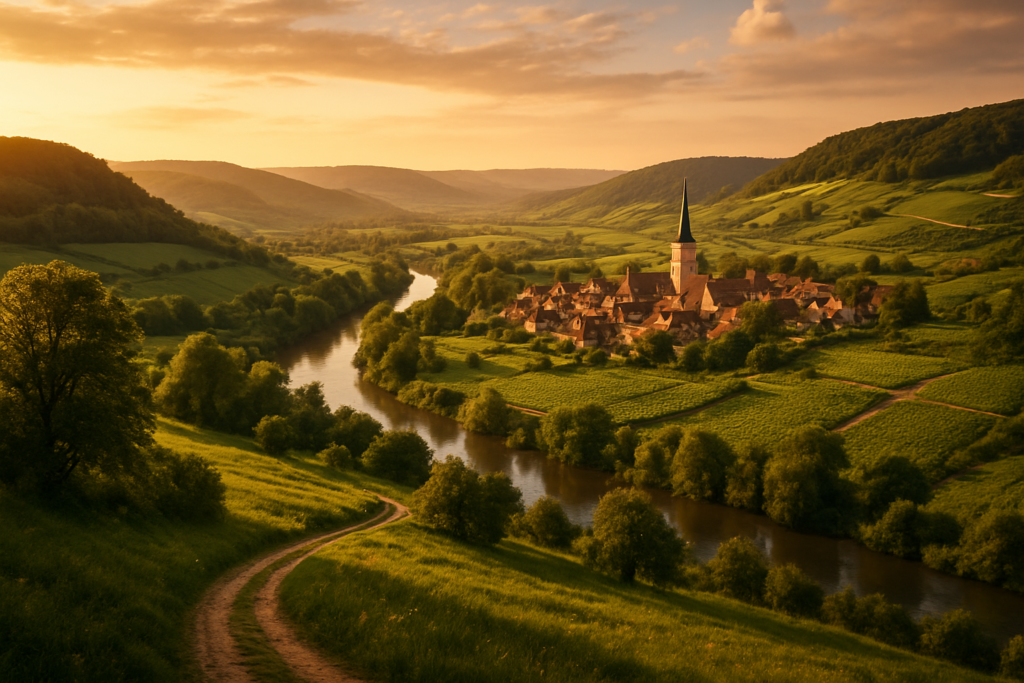
Sure, Europe has iconic landmarks. Still, your most memorable moment might happen far away. Maybe it’s a quiet path by a river. Or a viewpoint you reach after a gentle climb.
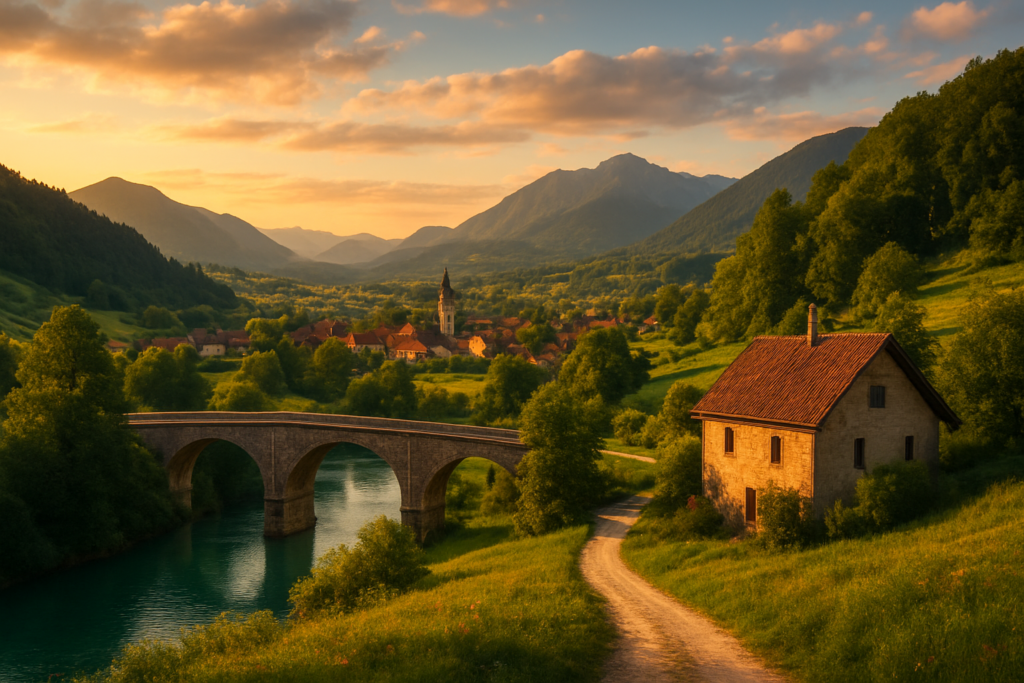
That’s why I love combining mainstream sights with lesser-known experiences. If you want trails that feel magical, check out This Trail in Europe Leads to a Hidden Gem. It’s the kind of recommendation that turns a good trip into a great one.
In many “Hidden, Unusual” destinations, the surprises are sensory. You might smell wild herbs before you see the view. Or hear birds before the landscape opens. When you step off the main route, Europe feels personal.
8. Museums can surprise you—in size, style, and storytelling
You might expect museums to be similar everywhere. Then Europe proves you wrong in the best way. Some are massive and famous. Others are small and deeply specific. Both can feel captivating.
Also, the way information is presented can be surprising. You may find unexpected interactive displays. In older buildings, you’ll notice clever lighting and layout choices. Meanwhile, certain museums focus on local crafts or regional history.
Instead of planning museums like checkboxes, plan them like stories. Ask yourself what you want to understand. Then pick one or two museum stops each day. That way, you’ll enjoy them instead of sprinting through.
9. The weather can change your itinerary—and make it better
Europe is not a single climate. One region can be sunny while another feels stormy. Even within the same city, conditions can shift quickly. That’s a genuine surprise for first-time visitors.
However, rain can become part of the charm. A cloudy day can make architecture look even moodier. Then evening skies can glow after a passing storm. Windy coastal weather also has its own energy.
So keep your plans flexible. If the forecast changes, swap outdoor time for indoor time. Then, when the skies clear, head back out. That simple strategy keeps your trip feeling smooth.
If you like scenery that feels unreal, you’ll enjoy exploring at different times of day. Light changes can transform the same viewpoint completely. That’s another reason to stay longer than you think you need.
10. “Local” habits can be the most surprising cultural gift
Europe’s cultural differences show up in everyday choices. How people greet each other. How they order drinks. How they take breaks. These habits may feel subtle at first. Then suddenly, you’re copying them naturally.
For example, you might notice locals standing in lines calmly. Or you may see how families spend weekends. In some places, shops close earlier than you expect. In others, evenings feel like a social ritual.
The biggest surprise is how quickly you adapt. You stop thinking like a visitor. You start thinking like a traveler with preferences. That’s when the place becomes more than a checklist. It becomes home for a little while.
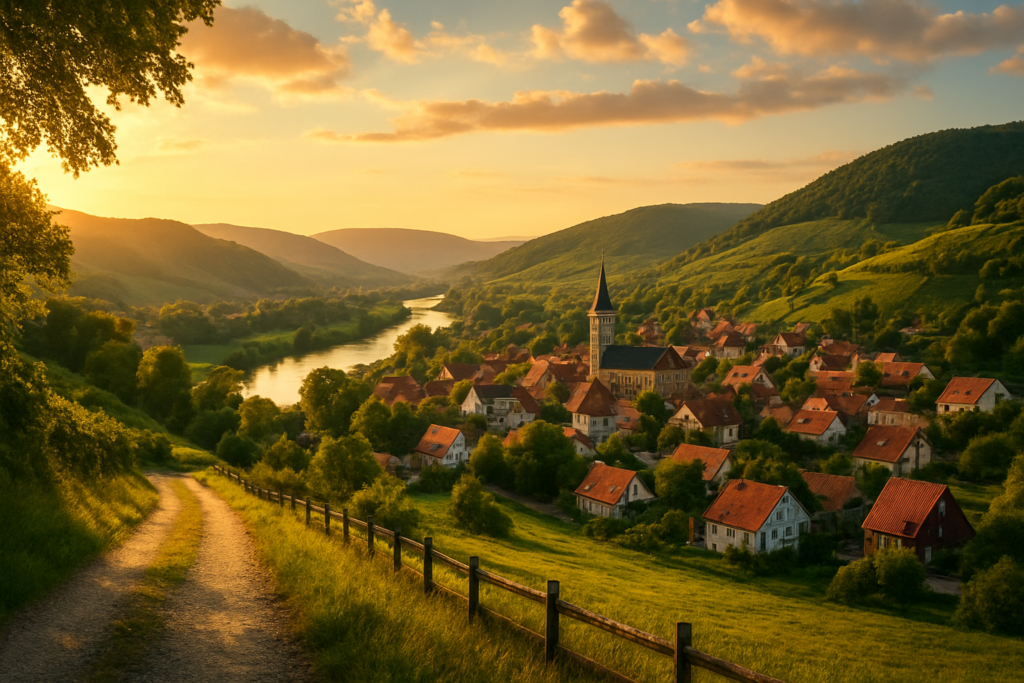
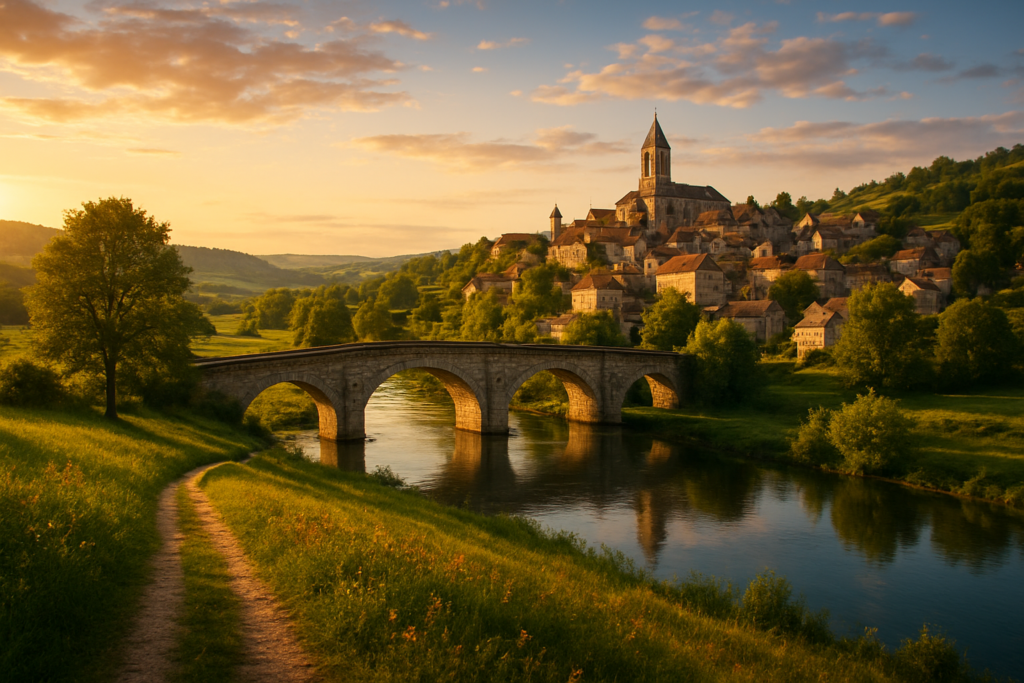
And if you crave deeper “Hidden, Unusual” moments, villages and trails are often the sweet spot. Consider this pick: These Villages in Europe Feel Like a Fairytale. Those settings make cultural habits feel even more vivid.
Key Takeaways
- Europe’s surprises often come from schedules, pace, and everyday culture.
- Flexibility helps you handle late dinners, quiet mornings, and changing weather.
- Hidden trails and lesser-known stops can become your trip’s highlight.
- Small language efforts and local habits turn travel into connection.