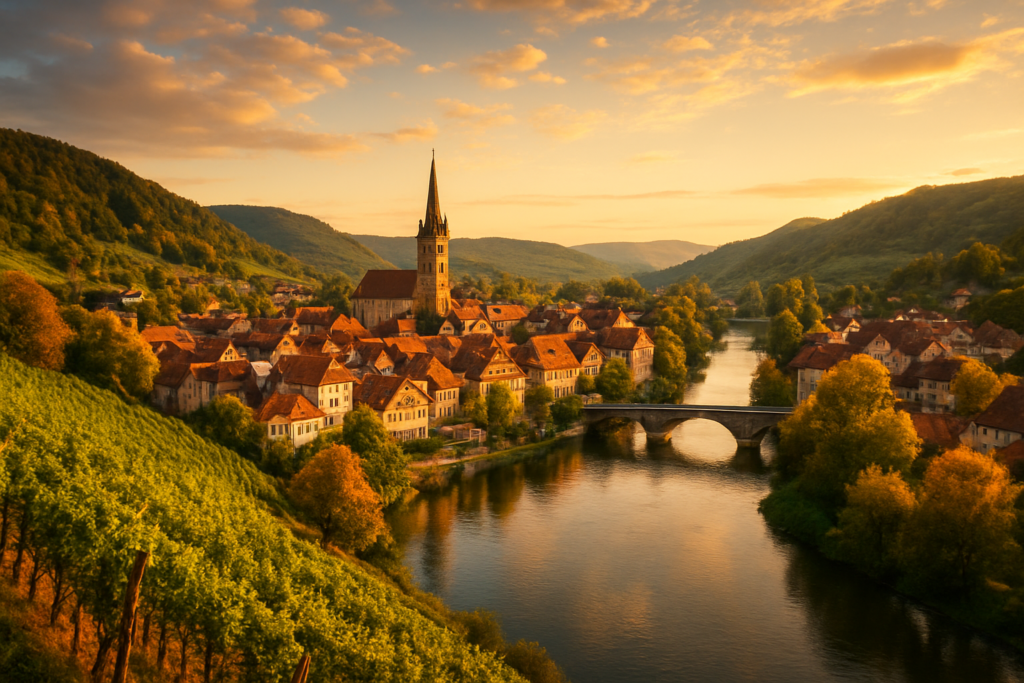

10 Things to Organize Before Traveling Across Europe
Europe is one of those magical places where every turn feels like a postcard. Yet, across-the-continent travel can feel a bit chaotic if you don’t plan early. The good news? A little organization turns stress into smooth sightseeing.
In this guide, I’ll share 10 things to organize before traveling across Europe. Think of these as your friendly pre-flight checklist, minus the panic. Plus, I’ll help you prioritize what matters most so your trip stays fun from day one.
1. Secure Your Documents and Entry Requirements Early
First things first: your documents must be ready before you fall in love with your itinerary. Start by checking passport validity rules for every country you’ll visit. Many travelers forget that some destinations require extra months of validity.
Next, confirm visa or entry requirements based on your nationality. If you need any special documentation, gather it now. Waiting until the last week is how vacation joy evaporates.
Here’s a simple organization approach:
- Scan your passport and keep the files in a secure folder.
- Store digital copies on your phone and in cloud storage.
- Bring physical copies in a separate bag from your passport.
- Write down emergency contact details and local embassy numbers.
After you sort documents, you’ll feel instantly calmer. Then you can focus on the fun part: routes, landmarks, and local flavors.
2. Plan Your Route Like a Story, Not a Spreadsheet
Travel across Europe can mean trains, buses, flights, and long days. Instead of stacking every city you love, design a route with a natural flow. Think in chapters: arrival, exploration, countryside, and final highlights.
To keep it realistic, consider travel time between destinations. Then, group nearby cities together so you don’t waste whole days commuting.
A story-style route usually looks like this:
- Start with one hub city to settle in.
- Choose 1–2 “anchor” regions you truly want to explore.
- Add smaller stops between anchor points.
- End with a location that matches your departure logistics.
If you want help mapping the big picture, read how to plan a Europe trip without feeling overwhelmed. It’s perfect for keeping your travel dream organized.
3. Organize Your Money Setup for Smooth Days and Fair Prices
Money problems can ruin even the best itinerary. So, organize your payment plan before you land. That means thinking about cash, cards, and currency exchange rules.
Start by notifying your bank about your travel dates and countries. Then, check whether your card has foreign transaction fees. Finally, figure out how you’ll withdraw cash without getting hit with surprise costs.
Consider a “two-track” system:
- Use a main card for most purchases.
- Carry a backup card for emergencies or outages.
- Withdraw cash strategically rather than constantly.
- Keep a small amount of local currency for transit and small shops.
Also, confirm whether you can pay for transit and attractions with contactless. Many European cities are wonderfully modern for payments. You’ll appreciate the convenience once you’re moving fast between landmarks.
For extra context, review 15 hidden costs of traveling in Europe you should know. Knowing the “invisible” expenses helps you budget with confidence.
4. Book the Big Things, but Keep Your Flexibility
Booking everything too early can backfire. Yet waiting too long can mean sold-out trains and pricey hotels. So, aim for smart timing.
Organize your bookings by urgency:
- Book early: peak-season train routes, major museums, and popular tours.
- Book as you go: smaller attractions with flexible hours.
- Keep backup options: alternative train times or nearby neighborhoods.
- Lock in accommodations close to transit for easy mornings.
When you organize this way, you avoid last-minute stress. Then, you still get to enjoy spontaneous detours. Europe rewards both planning and curiosity.
For example, landmarks like famous viewpoints often require timed entry. Similarly, popular day trips can sell out. Therefore, prioritize those with clear “time windows.”
5. Create a “Comfort Packing” Plan That Actually Works
Packing is where good intentions go to battle. Instead of packing everything “just in case,” plan around your real itinerary. That means considering weather, laundry options, and daily walking distances.
Cross-Europe travel usually involves lots of steps. So, organize your wardrobe for movement. Comfortable shoes are not optional. They’re the anchor of your entire trip.
Build your packing list around three categories:
- Essentials for every day (shoes, layers, toiletries, adapters).
- Weather-ready items (rain jacket, warm layer, breathable tops).
- Adventure extras (day bag, reusable water bottle, small umbrella).
Also, pack with easy access in mind. Keep documents, a light sweater, and chargers in your day bag. Meanwhile, put heavier items in your main luggage.
Finally, plan one “laundry strategy.” For example, you can choose laundromats, hotel services, or hand-wash quick items. This saves space and reduces stress.
6. Organize Your Luggage Strategy for Trains and Cities
Crossing Europe often means moving between stations and neighborhoods. Therefore, luggage strategy matters more than you think. It’s not just about what you bring. It’s about how easily you can move it.
Start by deciding whether you’ll travel with carry-on only. If yes, you’ll gain speed at stations and airports. If no, use packing cubes and keep essentials accessible.
Here are practical organization tips:
- Use packing cubes to separate outfits and essentials.
- Label bags if you’re using multiple carriers.
- Keep chargers and important items in one “grab pouch.”
- Bring a small lock for hostel lockers when needed.
Additionally, consider how you’ll handle stairs. Some older train stations have limited elevators. Packing with mobility in mind keeps your trip smoother.
When luggage works, your whole day works. Then you can arrive at landmarks feeling energized, not frazzled.
7. Plan Transit Transfers and Station Time Buffers
Travel across Europe is easiest when you respect time buffers. Trains can be punctual, but stations can be confusing. Plus, platforms can change and lines can be long.
Organize transit by checking:
- Departure station and final station details.
- Platform or terminal information when available.
- Airport transfer routes, if you fly between countries.
- Local transport options from the station to your hotel.
As a rule of thumb, add extra time for first stops in a new city. Then, once you’re familiar, you can tighten your schedule. Still, staying calm is always better than sprinting.
Also, keep offline access for schedules. Sometimes Wi-Fi isn’t reliable near stations. Having your routes saved saves you from panic scrolling.
8. Organize Your Health, Insurance, and Emergency Readiness
Even the most organized travelers can have unexpected moments. A delayed train, a minor illness, or lost luggage can happen. The best response is preparation, not fear.
First, confirm your travel insurance coverage. Check if it includes medical care, cancellations, and lost belongings. Then, store policy documents in a place you can reach quickly.
Next, organize a mini health kit. Include basics you use often. Then add motion sickness tablets if you’re sensitive.
Your emergency-ready kit can include:
- Any prescription medications in original packaging.
- A small first-aid kit for minor cuts and blisters.
- Pain relief and allergy meds if needed.
- Copies of prescriptions or a note from your doctor.
Finally, save emergency numbers for each country you visit. This isn’t dramatic. It’s just smart.
9. Create an “At-a-Glance” Landmarks and Day Plan
Europe has so many landmarks that it can feel impossible to choose. However, you don’t need to visit everything. You need a plan that helps you focus.
Create an at-a-glance schedule for each day. Include a morning highlight, an afternoon activity, and an evening option. Then add one flexible slot for wandering.
You’ll enjoy your trip more when you avoid decision fatigue. Plus, a simple plan helps you manage opening hours. Many attractions close early on certain days.
Try this template:
- Morning: one “must-see” landmark or museum.
- Afternoon: neighborhood walk + local lunch.
- Evening: viewpoint, dinner reservation, or cultural show.
- Buffer: 60–90 minutes for spontaneity.
Also, research which landmarks require timed entry. If you plan ahead, you’ll spend less time standing in lines. Therefore, your “best moments” happen on your schedule.
10. Organize a Digital System for Tickets, Maps, and Notes
Now let’s talk tech, but in a calm way. Before you leave, organize a digital system for every booking and document. This helps you find things fast when you’re busy exploring.
Create folders on your phone and cloud storage. Then, include separate sections for:
- Bookings: hotels, tours, and trains.
- Tickets and confirmations.
- Maps offline downloads.
- Reservations and opening hours.
- Notes: directions and helpful phrases.
Also, screenshot important confirmations. Even offline, screenshots can save you. Meanwhile, keep your passport photo handy for any check-in needs.
Finally, consider a simple “daily checklist” in your notes app. Add what time you leave, where you’re going, and what you need. It’s like having a friendly travel assistant in your pocket.
Key Takeaways
- Organize documents, money, and bookings first, then refine your route.
- Plan transit with time buffers, and pack for easy movement between cities.
- Create a day-by-day landmark plan and a digital system for tickets and maps.
Travel across Europe is a joy ride when your prep is solid. By organizing these 10 things, you’ll arrive ready to roam. And once you’re there, the continent’s beauty will do what it always does—blow your mind.