How to Keep Your Travel Memories Alive After Europe
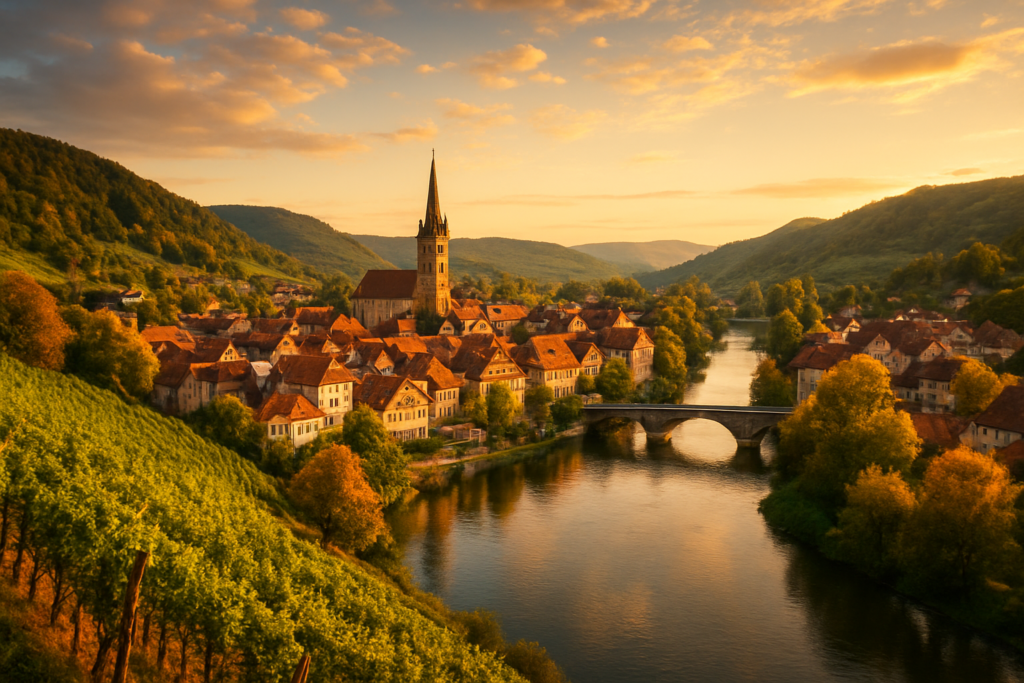
Europe has a funny way of staying with you. Even after your suitcase is unpacked, the streets linger in your mind. The smell of fresh bread, the glow of sunset viewpoints, and the sound of new languages fade slowly.
However, memories don’t have to fade. With a few easy habits, you can keep those moments vivid and meaningful. Better yet, you can turn your trip into a living story you’ll revisit again and again.
What is keeping travel memories alive?
Keeping travel memories alive means making them easier to recall and more enjoyable to revisit. It’s not just about saving photos. It’s about connecting those images to emotion, context, and small personal details.
Think of it as building a bridge between then and now. Your future self will thank you for the extra effort. You’ll also share richer stories with friends and family.
How does keeping travel memories alive work?
The secret is simple: your brain remembers what you revisit. When you organize memories and give them structure, they become easier to retrieve. Then, when you add creativity, they become more rewarding than a dusty camera roll.
To make this work, combine three layers: preservation, storytelling, and reflection. Each layer supports the others, so the memories feel alive instead of archived.
Preservation: organize your photos like a pro
First, gather your content in one place. That includes photos, videos, maps, ticket scans, and even short voice notes. Then you can sort everything with confidence.
Next, use a consistent naming system. It helps you find moments quickly later. You’ll also create a timeline you can “re-walk” with your eyes.
- Create one main folder for your Europe trip.
- Split it by country or city, such as “Italy / Rome” or “France / Provence.”
- Rename key folders with dates if you can.
- Backup everything to cloud storage and an external drive.
- Keep videos for “sound memory,” like cafés and street scenes.
Also, don’t underestimate metadata. Many phones store location and time automatically. If your device allows it, keep geotags. They make future searching way easier.
Storytelling: turn pictures into moments
Now comes the fun part. Photos alone are great, but stories make them unforgettable. When you add context, your memories become clearer and more emotional.
Try adding short captions right after you return. You don’t need long paragraphs. Even one sentence can capture the mood perfectly.
- “Sunset at the harbor; we missed the bus and laughed anyway.”
- “Rainy afternoon market; I found the best olives by accident.”
- “Tiny chapel in a quiet town; the silence felt unreal.”
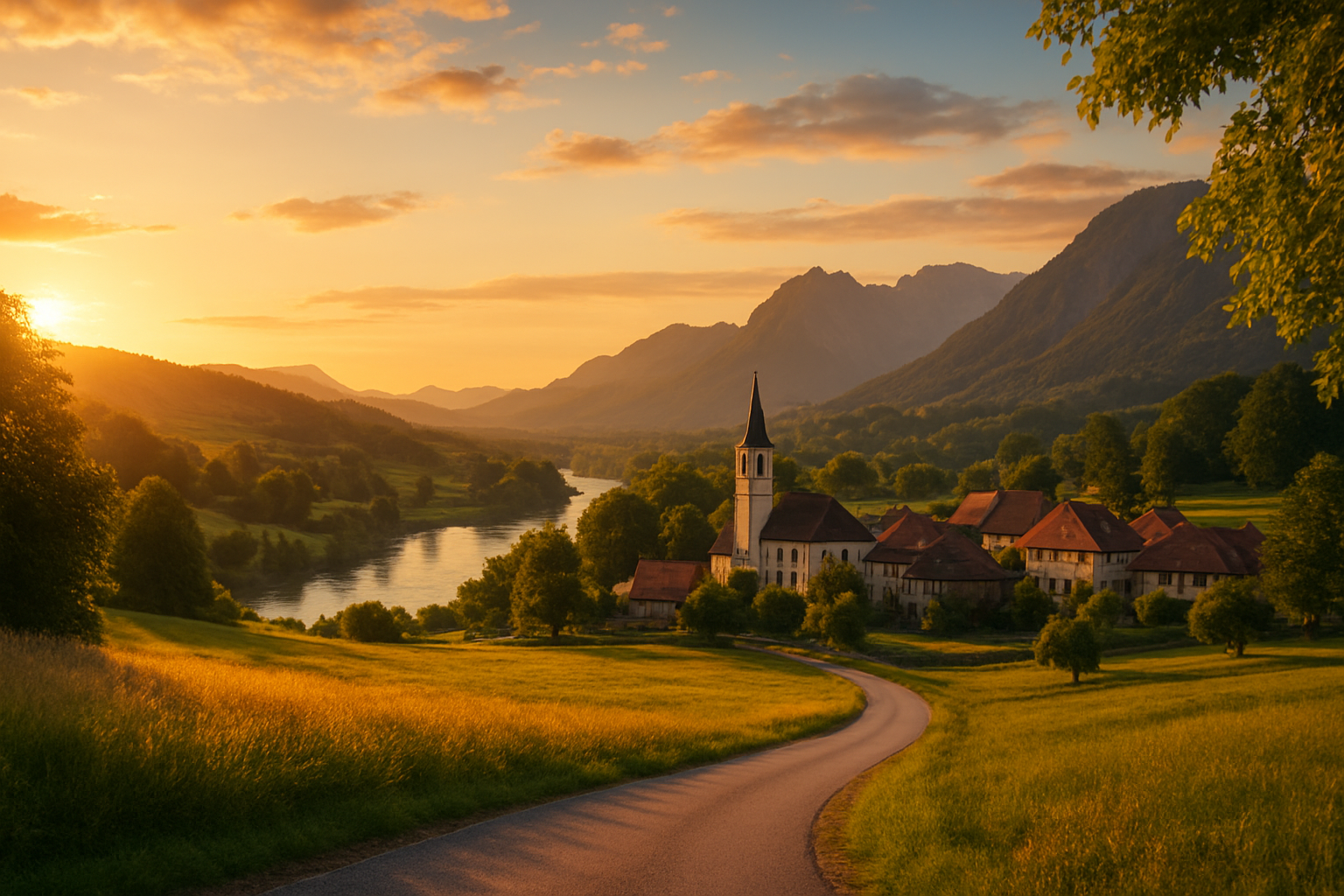
If you want a playful angle, think about unusual moments. Europe is full of hidden villages, dreamlike viewpoints, and magical landscapes. For inspiration, browse 10 Hidden Villages in Europe That Feel Magical. Then translate that sense of wonder into your own stories.
Reflection: schedule small “memory dates”
Once your photos are organized, give yourself a routine. Small sessions work better than one overwhelming binge. Instead of “someday,” choose a specific time.
For example, set a monthly memory date. It can last 20 minutes. During that time, pick one day of the trip and revisit it with intention.
- Pick one city per month and explore your photo set.
- Write a short “what I loved” list for that city.
- Share one favorite story with a friend.
- Play one music track you associate with the trip.
This method helps you keep the trip vivid. Plus, it turns travel memories into a comfort ritual. Who doesn’t want that?
Use creative keepsakes that grow more meaningful
Digital memories are powerful, but physical keepsakes feel tangible. They invite you to slow down and notice details. That’s why small objects can become emotional anchors over time.
Consider selecting items with a clear story. Then store them in a way that protects them and keeps them easy to revisit.
- Make a postcard “best-of” binder by country.
- Save museum tickets and stamps in a small envelope.
- Keep a receipt with a note about the meal.
- Press a dried flower or leaf from parks or countryside walks.
- Create a “day bag” folder with one small item per major day.
Moreover, you can turn keepsakes into mini exhibits at home. For example, display a framed print from your best viewpoint. Or create a rotating photo stand for seasonal reminders.
Build a travel journal that doesn’t feel like homework
A journal should feel like a friendly conversation. It shouldn’t turn into a chore. The easiest approach is to write in bursts, not essays.
Start with a simple structure. Then repeat it for each city. Your future self will love how consistent it is.
- Three senses: what you saw, heard, and smelled.
- One surprise: something that didn’t go as planned.
- One lesson: what you learned about yourself.
- One small detail: a sign, a texture, a moment.
Also, save your journal pages as photos. That way, you have both a physical and digital record. If you’re drawn to hidden gems and dreamlike scenes, your journal can highlight them beautifully. You can even pair entries with inspiration from 15 Viewpoints in Europe That Feel Like a Dream.
Make a “Europe story” you can share
Sharing memories keeps them alive. It also helps you process the trip in a meaningful way. You’ll notice details you forgot the first time.
Create something shareable soon after your return. You can go simple. A short slideshow is enough. Or you can write a blog-style recap for friends.
Here are a few easy options:
- A 5-minute photo slideshow for your group chat.
- A themed album, like “Coastal Light” or “Cathedrals and Quiet Streets.”
- A short video compilation with your best sound bites.
- A “top 10 memories” list you update every month.
Additionally, sharing can inspire new plans. Your friends might suggest places you didn’t know. That’s how your next adventure starts.
Turn memories into future travel fuel
Memories are not just for nostalgia. They can help you plan your next trip with clarity. When you revisit your photos and notes, you spot patterns in your preferences.
Maybe you loved small towns more than big cities. Maybe you chased sunsets constantly. Or perhaps you realized you enjoy walking days more than packed tours.
To use those insights, create a “next time” page in your journal. Write down what you want to repeat. Then add one bold change.
- Repeat: “More small villages, less rushing.”
- Change: “Plan longer stays in fewer places.”
- Explore: “Try one hidden beach next.”
- Slow down: “Add unplanned afternoons.”
If you’re still processing how you travel after Europe, it may help to review your rhythm. For extra support, read How to Recover From Travel Fatigue After a Europe Trip. When you feel grounded, you’ll enjoy revisiting your memories even more.
Is keeping memories alive just sentimental?
Not at all. While it can be emotional, it also helps you in practical ways. Organized photo libraries reduce stress later. Journals help you remember logistics, too.
Additionally, revisiting your trip can improve your creative thinking. You’ll reconnect with ideas you had on the road. That’s surprisingly helpful for anyone who loves writing, photography, or planning.
So yes, it’s sentimental. Yet it’s also useful, comforting, and empowering.
Can beginners keep travel memories alive?
Absolutely. You don’t need to be tech-savvy or artsy. You just need a small starting point. Even one habit can make a big difference over time.
If you’re new to memory keeping, try the easiest version first. Then build from there. Rome wasn’t organized in a day, and neither are your memories.
- Start with one album: create a Europe trip folder today.
- Add one caption per day: a single sentence is enough.
- Choose one keepsake: postcard, ticket, or note.
- Pick one monthly ritual: 20 minutes, no pressure.
Also, don’t worry about doing it perfectly. The goal is joy, not perfection. When you return to your photos and feel something, you’re doing it right.
Key Takeaways
- Preserve photos and backups in organized folders.
- Add context with short captions and voice notes.
- Schedule monthly memory dates to revisit intentionally.
- Create physical keepsakes that match your stories.
- Share your “Europe story” to keep memories moving.
Europe may be over, but your trip doesn’t have to end. With a little organization and creativity, your memories can feel fresh again. So go ahead—open that album. Take a deep breath. Then let your adventure come back to life.