15 Lessons Travelers Learn After Visiting Europe Once
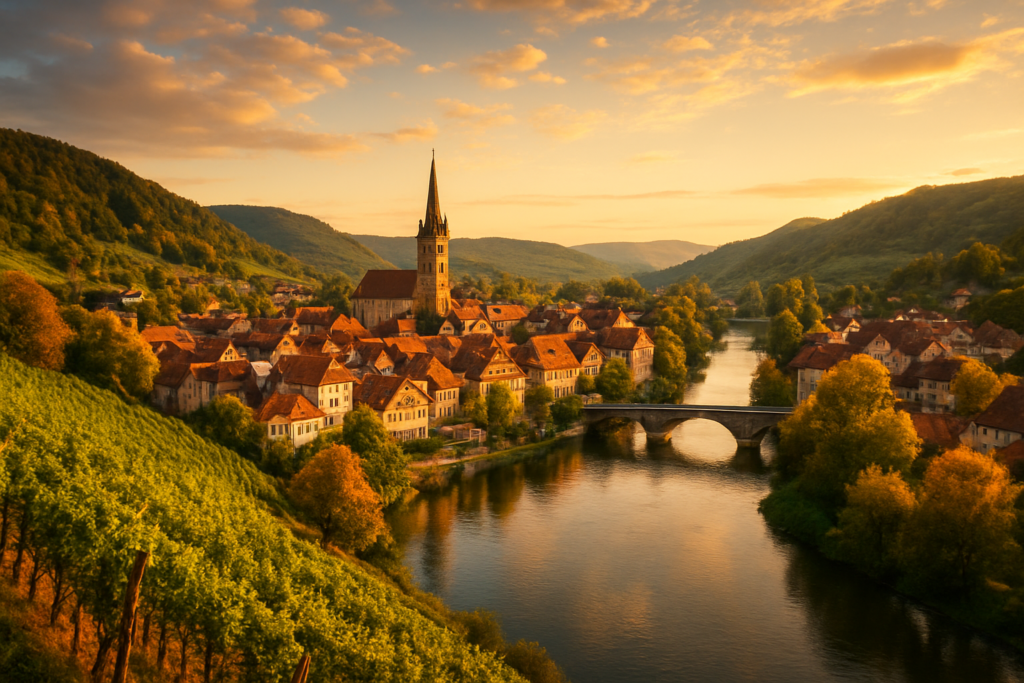
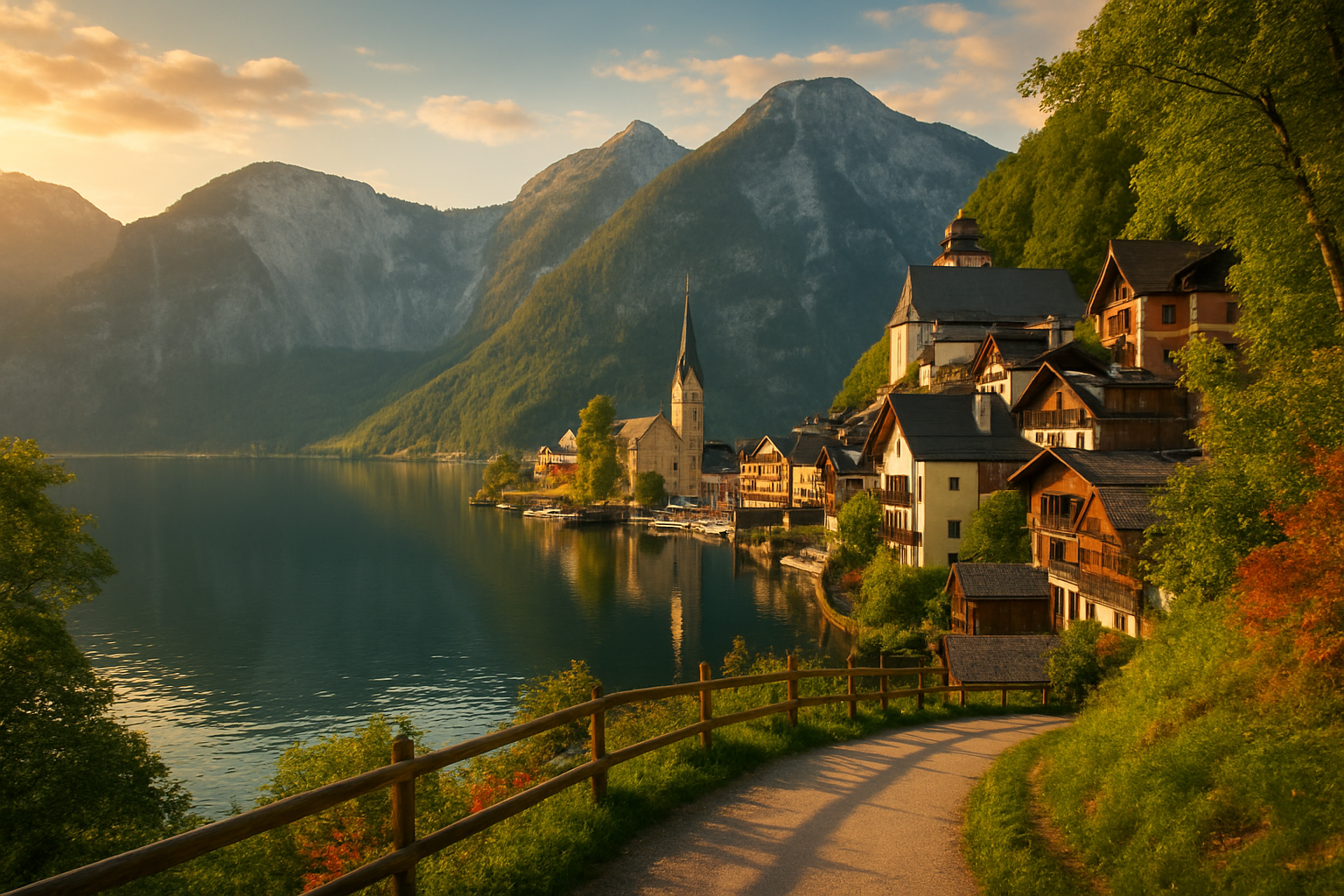
There’s a moment most travelers remember from their first Europe trip. It happens somewhere small and unexpected. Maybe it’s a cobblestone street at sunset, or a train arriving on time, or a café conversation that feels instantly familiar. After that, Europe quietly rewires how you travel.
Europe can be dreamy and smooth, yet it also teaches you fast. You learn what matters, what doesn’t, and how to move through new countries with confidence. And once you’ve been once, you notice patterns everywhere.
So, grab a comfy seat and a coffee. Here are 15 lessons travelers learn after visiting Europe once—written with the cheerful realism of someone who’s been there.
1. You’ll Understand Europe Through Small Moments, Not Checklists
Your first trip often starts with a bold plan. Then real life arrives with spontaneous detours. A “quick stop” becomes a two-hour wander. A museum ticket turns into a street-food victory.
Over time, you realize Europe rewards slow attention. Instead of chasing ten landmarks daily, you start collecting tiny memories. That shift makes your trip feel fuller and calmer.
2. Booking Early Helps, but Flexibility Saves You
Europe has peak seasons, and popular routes fill quickly. That’s why early booking can feel like peace of mind. However, rigid plans can steal the joy from travel.
Therefore, balance structure with breathing room. Book key items first, like trains and major stays. Then keep one or two days lighter, so surprises have space to happen.
If you want a solid starting point, check 10 Things to Know Before Booking Accommodation in Europe.
3. Public Transport Will Become Your Favorite Travel Skill
On your first Europe trip, you may feel nervous on buses and trains. You might worry about schedules or ticket rules. Yet soon, public transit starts feeling like a superpower.
After a few rides, you understand routes, platforms, and simple navigation. You also learn that locals move efficiently. And when you learn their rhythms, you travel more confidently.
4. Your “One City” Plan Will Expand Into a Multi-Country Adventure
Many first-time travelers arrive with a single-city mindset. They plan one base and call it a trip. Then they experience that “just one more place” urge.
Europe is compact compared to many regions. Trains make cross-border travel feel normal. Soon, your itinerary becomes a chain of connected experiences.
After that, you stop thinking in terms of countries. You start thinking in terms of routes and landscapes.
5. Packing for Europe Is More About Rhythm Than Weight
It’s easy to pack too much for a first trip. You imagine weather extremes and end up carrying unnecessary layers. Then you realize you mostly walk, explore, and repeat outfits.
So instead of obsessing over grams, pack for routines. Choose versatile shoes, breathable tops, and a light layer. Additionally, plan a simple laundry rhythm or occasional quick wash.
You may also learn that comfort beats style every time. Europe streets are made for walking, not rushing.
6. You’ll Stop Overplanning Meals—and Start Enjoying the Unexpected
At first, you might research restaurants like a mission. You might try to “optimize” every lunch. But soon, you learn that Europe’s best meals often come from simple curiosity.
A bakery sandwich by a canal can be better than a highly rated spot. Meanwhile, a market stall might become your favorite memory. So you build a new habit: follow smells, crowds, and local recommendations.
Also, don’t underestimate meal timing. Many European cities keep strict lunch and dinner patterns.
7. Cash Habits Will Teach You a Valuable Lesson About Every Country
Payment systems vary across Europe. Some places embrace cards fully. Others still expect cash for small purchases. During your first trip, you learn this at the worst possible moment—at a stall.
So you become smarter. Carry a small amount of cash at all times. Also, keep payment options ready for public restrooms and transit machines.
If you like planning smarter, you might also enjoy 10 Things to Double Check Before Leaving for Europe.
8. You’ll Learn the Difference Between “Historic” and “Living” Cities
Europe’s beauty is often linked to history. Yet the best cities feel alive, not frozen. When you visit more than one neighborhood, you notice how locals actually live.
That realization changes how you explore. You stop treating cities like stages for photos. Instead, you observe daily life—parks, markets, laundry rhythms, and evening crowds.
Then your trip feels more human and less touristy.
9. Walking Shoes Will Be Your Most Emotional Purchase
Many travelers underestimate how much they walk. Then their first day turns into a foot-tiring wake-up call. You learn quickly that “cute shoes” can become a dramatic storyline.
After that, you prioritize comfort without compromise. Choose shoes with good support and practice breaking them in. Moreover, pack blister care, just in case.
Comfort makes your itinerary possible. Without it, even the best sights feel exhausting.
10. You’ll Realize Europe Has Many “Tourist” Versions of the Same Thing
On your first trip, you might see the big icons and think, “So that’s Europe.” Yet later, you learn those highlights are only the beginning.
Different cities offer similar experiences in unique ways. There are always viewpoints, river walks, and local markets. However, each place has a different flavor and pace.
This lesson is freeing. It means you can repeat themes and still feel surprised.
11. Language Fumbles Turn Into Smiles If You Keep It Simple
You don’t need perfect pronunciation to connect. During your first trip, you might feel awkward saying the wrong words. Then you try anyway, and locals usually respond with kindness.
Therefore, use polite basics. “Hello,” “please,” “thank you,” and “excuse me” go far. If you’re stuck, point gently and show your phone translation.
Most of the time, the effort matters more than the accuracy.
12. You’ll Learn How to Read a City Like a Map
At first, you rely heavily on your phone for directions. That’s normal. Yet after a while, you start noticing street patterns, station layouts, and natural routes.
You learn how to locate landmarks from distance. You also learn how neighborhoods connect. Eventually, you trust your instincts more than constant GPS.
That boosts confidence. And it also makes wandering feel intentional.
13. Museums Teach You More About Europe Than You Expected
Your first museum visit might feel like homework. You might follow audio guides and skim explanations. Then you choose one exhibit and get pulled in.
Suddenly, history becomes personal. You see how art, architecture, and politics shaped everyday life. Even a small museum can change how you see a city.
So, instead of trying to do everything, pick themes. Choose one story and dive deeper.
14. You’ll Discover Hidden Beauty Beyond the Famous Neighborhoods
Every traveler knows the major attractions. Yet the magic happens when you step away from them. Sometimes it’s a small park. Sometimes it’s a less crowded waterfront or a side street with local shops.
This lesson grows stronger after your first visit. You realize you can enjoy Europe without chasing crowds. And when you find a quiet place, the trip feels truly yours.
If you love “off the beaten path” moments, explore This Hidden Beach in Europe Feels Magical.
15. The Real Lesson: Europe Changes How You See Travel
By the end of your first trip, you’re not just more experienced. You’re different. You’ve learned how to handle uncertainties and enjoy new rhythms. You’ve also built a calmer approach to planning.
Most importantly, you stop traveling to prove you “did it.” Instead, you start traveling to experience. That mindset follows you beyond Europe too.
And once you’ve caught that feeling, you want to keep exploring. That’s the best part of learning these lessons—because they make your next journey easier and more joyful.
Key Takeaways
- Europe rewards slow attention, flexible planning, and comfort-focused packing.
- Public transport, simple language efforts, and smart payment habits boost confidence.
- The best memories come from living neighborhoods, unplanned meals, and quieter places.
- After one trip, your travel mindset shifts from checklists to experiences.