How to Travel Europe More Like a Local
If Europe has a “secret speed,” locals travel it at. They don’t rush from one postcard to the next. Instead, they linger in villages, ride trains confidently, and order food they actually eat. And the best part? You can do the same, even on a first trip.
This guide is all about traveling Europe more like a local, with special attention to hidden villages and quieter places. You’ll learn practical habits, simple choices, and small mindset shifts. Then, you’ll turn every stop into something you truly remember. Ready? Let’s go.
What does “traveling like a local” really mean in Europe?
Traveling like a local means blending into daily life. It’s not about pretending you’re from there. It’s about observing and participating in normal routines. That approach makes your experience feel more genuine and less touristy.
In Europe, that usually looks like three things. First, you slow down and let neighborhoods and villages unfold. Second, you choose public transport and walkable routes. Third, you eat where locals eat and ask simple questions.
Think of it as “curiosity over checklists.” You’ll still see famous sights, of course. However, you’ll also catch smaller moments that guidebooks often miss.
How to travel Europe more like a local: practical moves that work
Let’s turn the idea into action. Below are easy steps you can use in almost any European country. They’ll help you feel comfortable, save money, and discover unexpected charm.
1) Stay in the places locals actually live
Hotels in city centers are convenient. However, they can also place you in a bubble. Instead, look for stays slightly outside the main tourist streets. Many European cities have excellent tram and train connections.
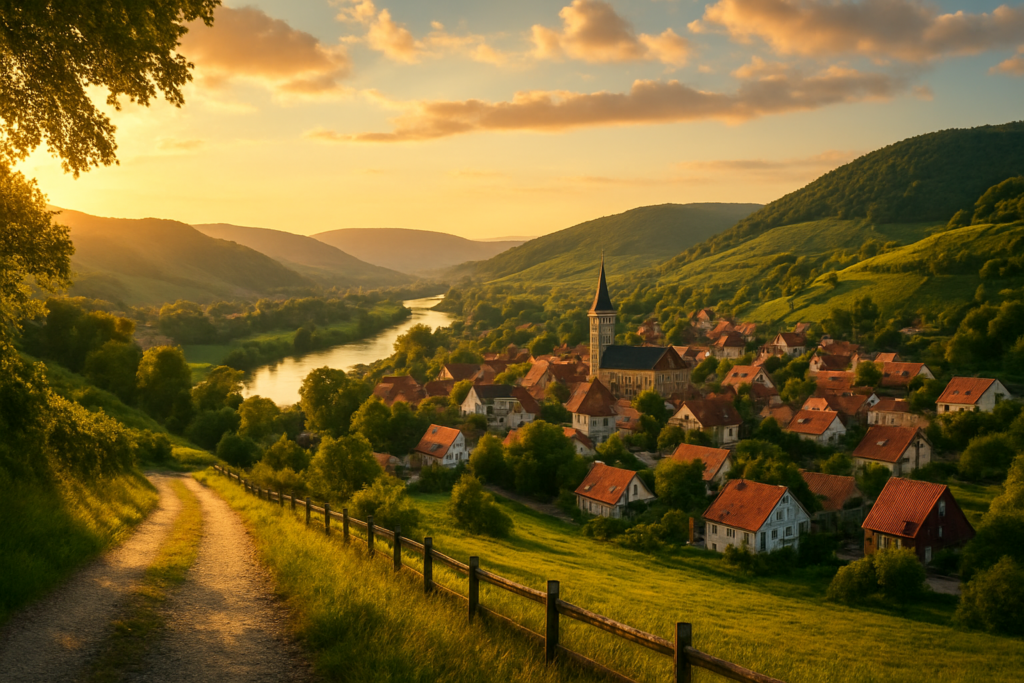
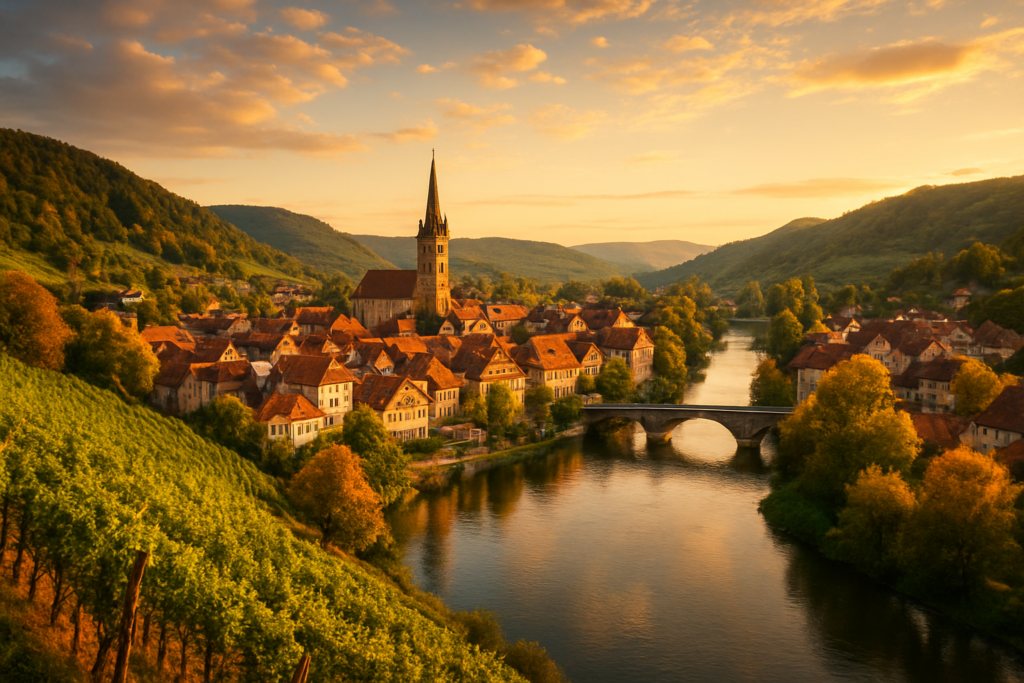
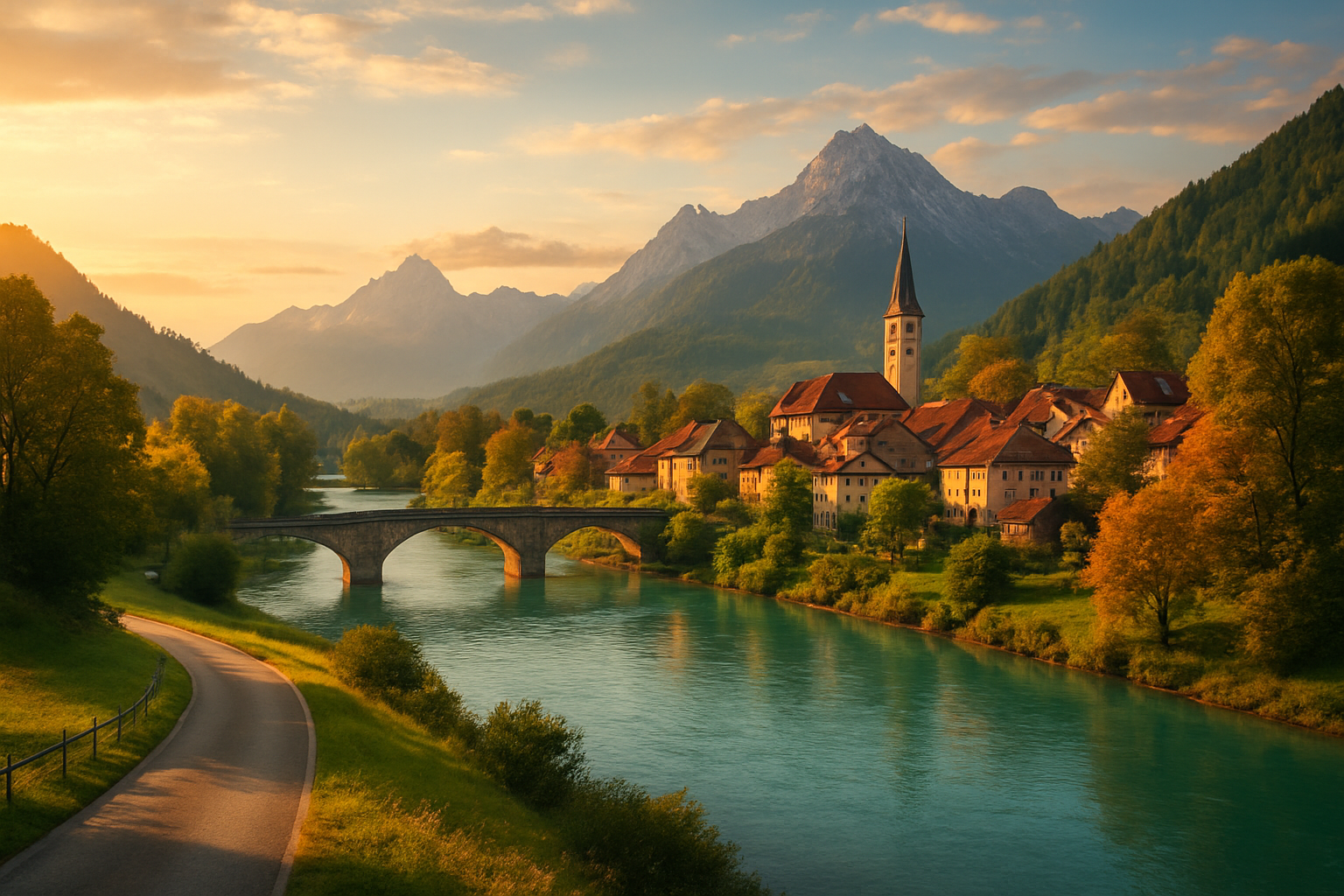
If your heart is set on villages, start there. Villages are where everyday rhythms shine brightest. You’ll hear morning markets, see school buses, and notice community life. And those experiences are hard to replicate from a day trip.
For inspiration, you might enjoy these hidden places in Europe feel like fantasy. They often guide you toward quieter regions where local life stays intact.
2) Use local trains and buses like you belong
Locals don’t wait for taxis to solve everything. They rely on trains, regional rail, and bus networks. Even when schedules vary, the system usually feels clear once you try it.
Here’s what helps most travelers. Buy tickets early for longer routes, when possible. For short hops, check the same-day options. Then, sit near windows and watch the landscape change.
Also, travel on “non-peak” hours when you can. You’ll get calmer rides and better photos. Plus, it feels more like real life rather than a sightseeing sprint.
3) Walk neighborhoods, not just landmarks
Landmarks are beautiful, but neighborhoods tell the story. After you visit a major site, keep walking. Follow small streets, local squares, and everyday storefronts. That’s where you’ll find bakeries and bookstores locals recommend.
Try this simple rhythm. Visit one highlight, then add a free “wander block.” Give yourself 45–90 minutes without an agenda. You’ll start noticing patterns, like where people meet and where the best casual coffee lives.
When you do this consistently, your photos change too. You stop chasing only grand views. Instead, you capture the texture of places.
4) Eat like a regular, not like a tourist
Food is one of the strongest ways to travel Europe like a local. Look for places that feel busy with working people. Many locals eat early, late, or in longer lunch breaks. So match their timing when you can.
Here’s a quick checklist for smarter meals:
- Choose spots with a short menu and steady turnover.
- Look for daily specials written on chalkboards.
- Order what locals order, then add one “adventure” dish.
- Try bakeries for breakfast or an afternoon snack.
- Ask staff what’s best today. Keep it simple.
Also, consider a “market morning.” Visit a local market in the first half of the day. Then, grab picnic items and eat in a park. It feels effortless, and it often tastes incredible.
5) Speak a little—then relax
Europe rewards kindness and effort. You don’t need perfect phrases. However, a few polite words open doors instantly.
Useful starter phrases include “hello,” “please,” and “thank you.” You can also try asking: “Do you recommend anything?” People love helping visitors who feel genuinely curious.
Then, switch to friendliness. Smile, make eye contact, and stay patient. Even if language feels tricky, your attitude carries a long way.
6) Shop for souvenirs like a local shopper
Tourist shops are easy, but they often sell mass-produced items. Instead, visit small craft stores and local markets. Look for goods that reflect the region’s materials and traditions.
Consider buying items you’ll use back home. Examples include spices, olive oil, ceramics, or small textiles. That way, your travel memory continues every time you cook or decorate.
If you want a bargain, look for quality first. Then, compare prices at a few nearby stores. You’ll feel confident, not pressured.
Hidden villages and quieter routes: how to find them
Villages can feel like a travel superpower. They offer slower pace, simpler days, and warmer community energy. Plus, they often sit near major cities by train. That means you can still explore big highlights without living in constant crowds.
To find these hidden villages, think in “clusters.” Choose a region, not just a country. Then, base your route around towns with trains or buses. From there, add day trips and overnight stops.
Also, search for smaller festival calendars. Summer markets and local fairs bring villages to life. Even if you can’t speak the language well, the atmosphere is universal. You’ll hear music, see crafts, and smell grilled food in the air.
For more visual inspiration, you might like these coastal views in Europe feel like paradise. Many of those areas include villages and beach towns with local rhythm.
How does local travel work with planning and booking?
Traveling like a local doesn’t mean winging everything. It means using better planning tools. The goal is flexibility with structure, not chaos.
Start by mapping “home base” neighborhoods. Pick one main area per city or region. Then, plan day trips from that base using public transport. This mirrors how many locals do it.
Next, build your schedule around realistic time windows. For example, many places run on midday lunch hours. Museums may close earlier than you expect. Therefore, keep mornings and evenings thoughtfully planned.
Finally, book only what truly matters. Train reservations help for popular routes. However, walking tours, museum tickets, and restaurants can often be decided day-by-day. You’ll feel more spontaneous without sacrificing reliability.
If you want a roadmap for multi-country travel flow, see how to pack smart for a multi-country Europe trip. Smart packing supports local-style travel with fewer hassles.
Why is local travel important for your Europe experience?
Traveling like a local changes what you notice. You start to see the “in-between” details. These are the moments that make Europe feel alive, not staged.
For example, you’ll learn how a town wakes up. You might catch people buying bread at dawn. Or you’ll witness weekend market setups and café conversations. Those details create emotional memory. They also make your photos more meaningful.
Local travel also improves your comfort. Public transport and walking reduce stress. You spend less time in traffic and more time exploring. Plus, you often save money by choosing everyday options.
Most importantly, it builds respect. You’re not rushing through communities like temporary ghosts. Instead, you’re present and appreciative. That mindset makes travel feel better—for you and for the place you visit.
Is traveling like a local better than traditional sightseeing?
Traditional sightseeing is not “wrong.” Europe is full of sights worth seeing. The issue is doing everything at maximum speed. When you pack too much into one day, you miss how places actually feel.
Local travel is a different style. It’s often less dramatic on paper. However, it can be more satisfying in real life. You’ll remember the bakery that became your ritual. You’ll recall the train ride that felt like a short story.
So is it better? For many travelers, yes. It creates a deeper connection and smoother days. Still, you can blend both styles. Visit one highlight, then leave space for the local rhythm.
If you’re worried about getting it wrong, you’re not alone. Many first-time travelers accidentally choose schedules that feel exhausting. For helpful perspective, check 15 mistakes first-time travelers in Europe always make. Then, adjust your plan with confidence.
Can beginners travel Europe like locals?
Absolutely. You don’t need to be an expert to feel local. Beginners can succeed with a few guiding principles and a flexible attitude.
Here are beginner-friendly ways to start:
- Choose one city and one village nearby. Don’t overextend immediately.
- Stick to one transit strategy per country.
- Use translation apps for menus and directions.
- Eat one “local meal” per day, even if it’s simple.
- Plan fewer stops, then explore longer.
Also, remember that locals are busy people. They still have errands and routines. So your goal isn’t perfection. Your goal is respectful participation.
Once you start doing it, you’ll notice something wonderful. Europe begins to feel like a home you’re temporarily borrowing. And that feeling is the heart of local travel.
Key Takeaways
- Travel like a local by slowing down and choosing real neighborhoods.
- Use trains and buses to experience daily rhythms and scenery.
- Walk streets, not just attractions, and build in wander time.
- Eat like locals: markets, daily specials, and busy places.
- Plan with flexibility so your days feel authentic.
Europe is at its best when you stop performing for it. Instead, you live inside your itinerary for a while. Grab a seat on the regional train. Follow the smell of bread to a café. Then, let a hidden village steal your heart.
That’s how you travel Europe more like a local—and return home with stories that feel truly yours.