
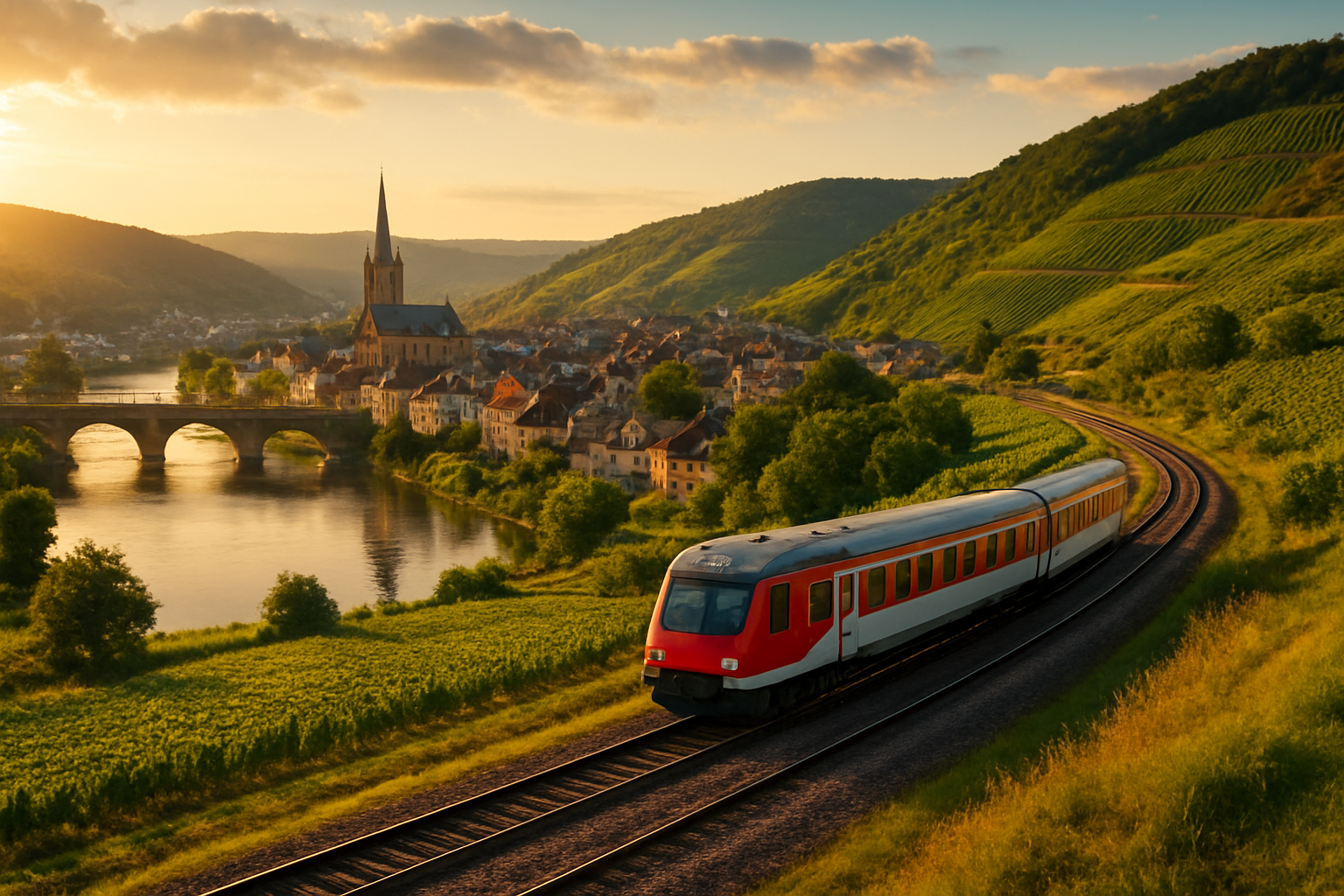
15 Tips for Navigating Public Transport in Europe
Europe’s public transport can feel like magic. One minute you’re in a historic square, and the next you’re gliding toward a new city. However, that “magic” works best when you know the little tricks. So, let’s turn your next train, tram, or metro ride into a confident adventure.
This guide is perfect for first-timers and seasoned travelers alike. It focuses on practical steps, real-life scenarios, and simple habits. Plus, it keeps things cheerful, because getting lost is only embarrassing until you laugh about it later. Ready? Let’s hop on.
1. Start with one reliable transport app
Before you arrive, choose one planning app you can trust. Many travelers rely on Google Maps, but it varies by country. Also, some regions use their own transit apps. Therefore, pick an option that shows routes, live updates, and station details.
Once you download it, test it on a quiet day. Search for a nearby station, then compare options. This small practice pays off when you’re tired after sightseeing. Eventually, you’ll move through schedules with ease.
If you want more “efficient exploring” ideas, check out 15 Smart Travel Tips for Exploring Europe Efficiently.
2. Learn the ticket basics before you board
Europe is wonderful, but ticket rules differ from place to place. In some cities, you buy tickets at machines or kiosks. In others, you purchase through mobile apps. Meanwhile, some countries still favor paper passes.
Therefore, before you travel, look up these essentials:
- How to buy tickets (machine, counter, app, onboard)
- Where tickets must be validated
- Whether transfers require extra payment
- How long tickets stay valid
Also, pay attention to zoned transit. For example, moving from one ring zone to another may require a new ticket. When in doubt, ask a staff member. Even a short question can prevent a long, stressful fine.
3. Always validate when your system requires it
One of the most common mistakes is skipping validation. In many European metros, trams, and regional trains, you must stamp or activate your ticket. If you skip this step, your ticket may become invalid. Consequently, you might face enforcement checks.
So keep a validation habit. If you see signposted machines near entrances, use them. If you receive a QR ticket in an app, verify it activates correctly. Also, take a screenshot of your confirmation for peace of mind.
4. Don’t underestimate station names and exits
Stations can be large, confusing, and surprisingly spread out. Sometimes the station name differs from the area you want. Additionally, exits may lead to different neighborhoods. Because of this, it helps to plan your exit before you arrive.
Use your map app to check:
- Which exit matches your destination
- How far you’ll walk inside the station
- Whether elevators are available
Then, when you reach the platform area, note the direction. Trains can loop through stations in opposite orders. That small detail saves time and energy.
5. Respect local etiquette for smoother rides
Public transport etiquette is small, but it matters. Generally, keep your voice low and your bag close. Also, follow queue lines during peak hours. This shows respect and helps everyone move faster.
Here are a few “usually true everywhere” rules:
- Give priority seats to those who need them
- Let passengers exit before you board
- Keep backpacks in front on crowded trains
- Avoid blocking doors with large luggage
If you’re unsure, watch what others do. Cities like London, Berlin, and Paris all have their own rhythm. Yet, the basic goal stays the same: travel comfortably without disrupting anyone.
6. Travel off-peak when you can
Europe’s transport becomes much easier when you avoid rush hours. During off-peak times, platforms feel calmer and trains are less packed. Therefore, if your itinerary allows flexibility, schedule popular rides mid-morning or mid-afternoon.
To find the best timing, check your app for crowd indicators. Some apps show busyness levels. If not, observe the platform. When everyone looks calm, you’re probably timing it right.
7. Pack for stairs, not just for comfort
Even modern stations sometimes hide stairs, long corridors, or tight platforms. Therefore, bring shoes that handle uneven walking and quick changes. Also, keep essentials in an easily accessible pocket.
These are travel-friendly packing habits:
- A compact day bag you can control easily
- A portable charger for your ticket app
- A small layer for stations and tunnels
- Sticky notes or a phone note for station names
Additionally, if you travel with rolling luggage, expect limitations. Some trams and older stations are not built for large wheels. Better to plan for stairs than to “hope for elevators.”
8. Use seat strategy on trains and trams
Seat choice sounds minor, but it affects your whole ride. If you’re doing a short scenic route, pick a side with the best views. For longer trips, consider power access near your row. Also, avoid blocking aisles if you’re traveling with bags.
When choosing seats, remember:
- Forward-facing seats often feel smoother
- Window seats are great for photos on daylight routes
- Near luggage racks helps when stations are busy
Then, keep your phone handy for station announcements. In some regions, updates are in local languages. Still, your route will guide you.
9. Understand regional vs. city transport
Europe blends local metros with regional trains. These systems may use different ticket rules. For example, a city tram might accept your day pass. Meanwhile, a regional train could require a separate ticket or seat reservation.
To avoid confusion, check your trip type before you pay. Look for terms like “regional,” “intercity,” or “reservation required.” If you’re traveling between towns, double-check your departure station. Many cities have multiple train hubs.
If your route involves countryside exploration, your planning style matters. For more destination prep ideas, see How to Plan a Europe Trip Without Feeling Overwhelmed.
10. Keep cash as a backup
Apps are great, but occasionally systems fail. Machines may be out of service. Or your phone battery might dip at the worst time. Therefore, carry a small amount of cash just in case.
You don’t need a wallet full of bills. Instead, think “just enough to buy one ticket.” This can save your day when you’re far from a shop. Additionally, coins are often useful for transit machines.
11. Know how to interpret platform information
Platform signs can be confusing, especially when they update late. However, once you understand the format, you’ll feel calmer. Typically, signs show departure time, train number, and destination.
Before boarding, confirm these details:
- Destination on the display matches your route
- Train number matches your ticket or app
- Carriages align with where you plan to exit
Also, listen for announcements. Even if you don’t understand everything, patterns repeat. You’ll often catch key station names.
12. Plan for last trains and late-night options
Nightlife and dinners can stretch longer than expected. Yet, public transport schedules often become limited at night. Therefore, check your return option before you commit to a late plan.
Here’s a simple method: open your app and search “home station” at the exact time you’ll leave. If service ends earlier, choose a backup. Sometimes that means a night bus, taxi, or rideshare option.
Bonus tip: keep your hotel address saved as text. Copy-paste it into your translation app. Then, any transport staff can guide you faster.
13. Use a “transfer buffer” to avoid missed connections
Connections feel easy until you add real-world delays. Trains run late. Elevators break. A crowd shifts at the worst moment. So build a buffer time between transfers.
As a rule of thumb:
- For major stations, aim for 10–20 minutes
- For complex transfers, aim for 20–30 minutes
- If you’re rushing, choose the next likely connection
Also, travel with awareness of walking distance. Some stations hide long corridors. Your “five-minute” transfer might quietly become fifteen.
14. Make your luggage decisions early
Luggage can change everything on public transport. Large suitcases may be hard on stairs or crowded cars. Additionally, some trains have limited space during peak travel.
To make luggage easier, consider these choices:
- Travel with one carry-on when possible
- Use a bag with smooth wheels and a handle you trust
- Keep small items accessible for ticket checks
- Choose routes with fewer transfers when carrying heavy bags
Then, stay flexible. If one train is too crowded, wait for the next one. Your comfort matters, even when you’re excited to keep moving.
15. Embrace the learning curve and stay curious
Finally, remember that navigating transit in Europe is a skill. The first day might feel like decoding a puzzle. After a few rides, you’ll start recognizing signs and rhythms quickly.
Instead of treating mistakes as setbacks, treat them as practice. Ask for help with a smile. Watch how locals move through stations. Soon, you’ll feel like you belong on that platform.
And honestly, those “learning moments” often become the best travel stories. You’ll remember the tiny triumph of boarding the correct train. You’ll also remember the view from the carriage window. That’s why we travel.
Key Takeaways
- Use one strong transit planning app, then confirm ticket and validation rules.
- Plan for platforms, exits, off-peak timing, and transfer buffers.
- Respect local etiquette and keep cash and charging backups for stress-free rides.
- Regional and city transport can have different ticket systems, so double-check before you board.