These Coastal Spots in Europe Are Too Beautiful to Be Real
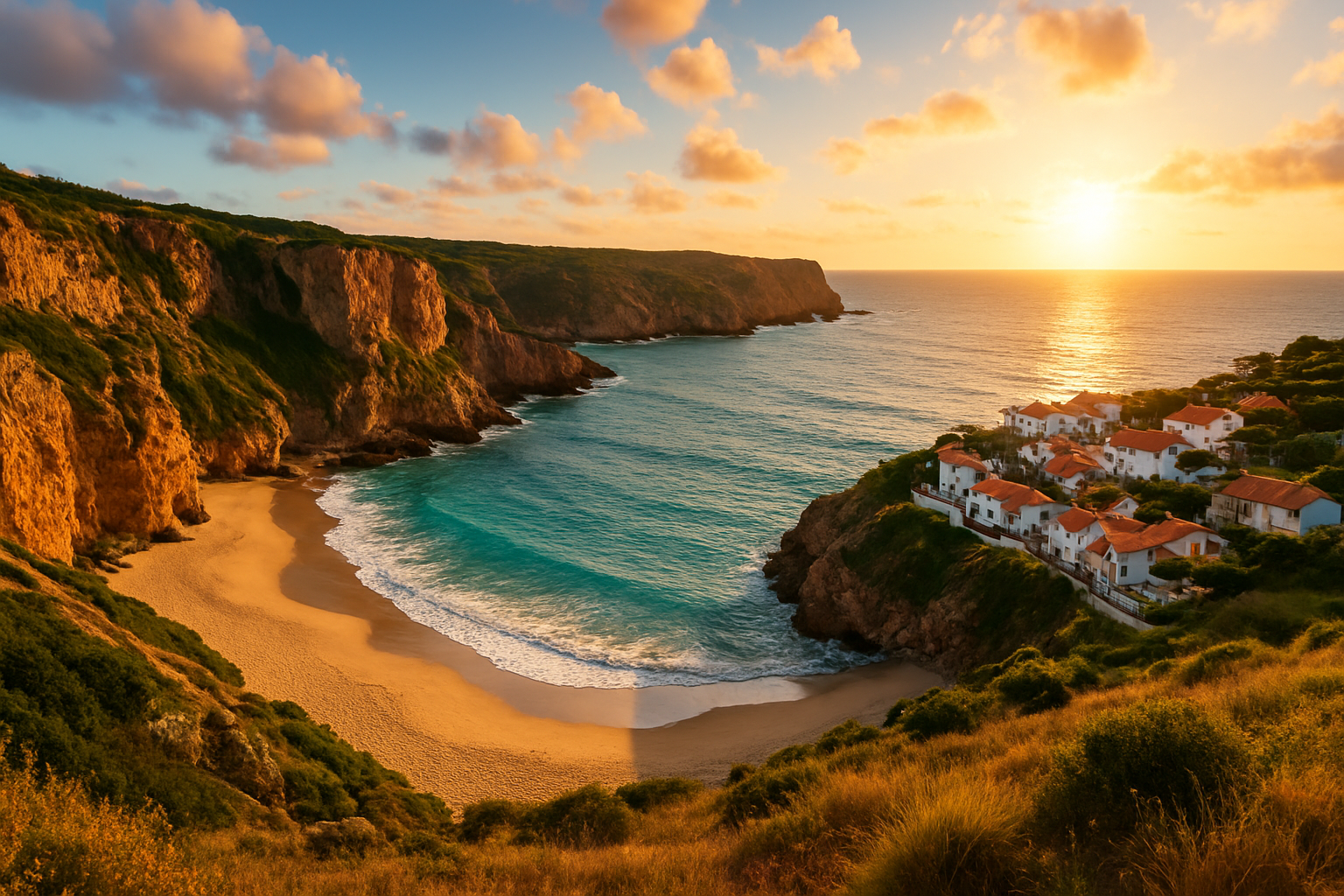
Europe’s coastline has a “wait, is this real?” magic. From cliffside viewpoints to quiet coves, these coastal spots look like movie sets. Yet they’re real travel destinations, ready for your camera and your curiosity.
Quick Overview
- Unreal coastal viewpoints and beaches across Europe
- Best times to visit for light, weather, and fewer crowds
- Practical tips for safe exploring and memorable photos
Why Europe’s Coastline Feels Like Another World
Coastlines do something special to our senses. First, the ocean stretches everything wider than expected. Then the cliffs, islands, and sea stacks add drama that feels almost invented. Finally, the ever-changing sky turns every visit into a slightly different story.
Meanwhile, Europe’s coastlines are packed with viewpoints and hidden access points. Some places feel remote even during peak season. Others are popular, yet still manage to feel unreal because the scenery is so intense.
If you love “nature looks fake” moments, you’ll fit right in here. And if you also chase sunset energy, you may enjoy these sunset views in Europe for more golden-hour magic.
Coastal Spots in Europe That Look Too Beautiful to Be Real
1) Trolltunga of the Sea: The Cliffs of Acantilados de Los Gigantes (Tenerife)
On Tenerife, the water meets towering walls like a secret carved by giants. Los Gigantes is famous for its black cliffs and dramatic ocean color. When the light hits, the contrast becomes almost surreal.
What makes this spot feel unreal is the scale. You can stand above and watch waves strike rock faces that seem endless. Also, the Atlantic often looks deep turquoise near the shoreline.
- Best time: late afternoon for soft light
- Photo tip: use a wide lens from the main viewpoints
- Do: consider a short boat ride along the cliffs
2) The White Ruins Coast: Cala Figuera to Cala Santanyí (Mallorca)
Mallorca’s southeastern coast has a “postcard, but better” vibe. Here, small coves and pale stone textures glow against intense blue water. As you wander between beaches, the coast keeps changing its mood.
One moment you’re surrounded by quiet sand. The next, you’re near dramatic rocks where sea spray dances on the air. In other words, it feels like coastal layers stacked on top of each other.
If you love exploring on foot, this region offers small paths and viewpoints. They can connect coves in an easy loop that still feels adventurous.
3) Cinque Terre’s Sea-Level Drama: Vernazza Viewpoints
Cinque Terre is famous for a reason. Yet even after you see photos, the real coastline can still surprise you. Vernazza, in particular, sits like a colorful sketch pressed against the sea.
From a viewpoint above the harbor, you’ll spot terraced buildings and boats moving like tiny punctuation marks. Then, when clouds drift in, the water darkens and everything looks cinematic.
Because it’s popular, timing matters. However, a careful plan lets you enjoy calm moments even during busy months.
- Best time: early morning before tour groups arrive
- Bring: comfortable shoes for cliffside steps
- Try: sunrise views and a slow harbor stroll
4) A Fairy-Tale Lookout: The Slea Head Coastline (County Kerry, Ireland)
Irish coasts can look otherworldly, especially when the wind is doing its thing. Along the Slea Head region, rocky headlands and green cliffs meet a wild Atlantic. It’s a landscape that feels alive, even when you’re standing still.
In good weather, the ocean turns bright. In misty weather, the cliffs vanish into fog, and the whole place feels unreal. Either way, you’ll get dramatic horizons.
Also, if you’re into long coastal walks, this is the kind of area that rewards slow travel. Just remember to pack layers, because the weather changes fast.
5) Beach That Feels Secret: Cala del Amor (Costa Brava, Spain)
Some coastal spots don’t just look beautiful. They feel protected. Cala del Amor, in the Catalonia region, has a calm, sheltered feeling with bright sand and clear water.
As you approach, you’ll notice how the sea color shifts as you near the cove. Then, once you step down to the beach, the world seems quieter. It’s a small corner of Europe that looks like it’s been kept for travelers who slow down.
Although it’s not always “hard to find,” it still doesn’t feel like a crowded theme park. That’s part of why it works so well.
6) The Unreal Sea Stack Glow: Étretat Cliffs (Normandy, France)
Étretat is the kind of coastline that looks like a painting. The cliffs are iconic, yet the ocean adds constant motion. When waves surge, the water flashes under the rocks like polished glass.
What makes Étretat feel “too beautiful” is the balance. The arches, formations, and shoreline symmetry create a natural composition. It’s also a place where you can hike along coastal paths for different angles.
If you’ve ever searched for “coastal cliffs before you die,” you’re probably already thinking of this region. You might also enjoy these coastal cliffs for more cliffside inspiration.
7) White Chalk Meets Wild Water: The Cliffs of Dover (England)
At the Cliffs of Dover, history and scenery merge in a single view. The chalk cliffs look pale and dramatic against the blue sea. On clear days, you can even see across toward France, which adds a magical sense of distance.
Then, when the wind rises, you’ll feel how the coastline shapes the atmosphere. Sea birds circle and the horizon stretches wide. It’s simple, but incredibly striking.
- Best time: morning for clearer visibility
- Photo tip: photograph toward the coastline, not just the sea
- Wear: windproof layers for comfort
8) The “Flying View” Coast: Amalfi Coast Road Stops (Italy)
The Amalfi Coast doesn’t just look beautiful. It looks impossible. Serpentine roads, cliffside towns, and ocean views stack together like a sequence of postcards. Yet the views keep changing every few minutes.
However, the best part isn’t only the final destination. It’s the roadside pull-offs and viewpoints in between. They make the whole journey feel like a guided tour by the landscape itself.
If you want to go beyond Amalfi’s main highlights, choose a slower base. From there, you can do short day trips and hike to less crowded angles.
How It Works / Steps: Plan a “Too Beautiful to Be Real” Coastal Trip
- Pick a coastal vibe first: cliffs, coves, harbors, or long beaches.
- Choose the right season: aim for mild weather and calmer crowds.
- Map viewpoint routes: save walking paths between “lookout stops.”
- Time your photos: sunrise for soft light, sunset for dramatic color.
- Pack smart: shoes for steps, sunscreen for glare, and layers for wind.
- Leave room for detours: coastal beauty rewards spontaneous turn-offs.
Examples: What a Perfect Day Looks Like
Example 1: Cliff-and-coffee morning. Start at a viewpoint above a harbor. Then, stroll down to the waterline for a calmer perspective. Finish with a warm drink and a slow hike back up.
Example 2: Cove-hopping afternoon. Choose two small beaches within walking distance. After swimming, take a short coastal trail to a higher angle. Finally, watch the sea change color as the sun shifts.
Example 3: Golden-hour drama. Drive to a coastal lookout about an hour before sunset. Bring a light jacket because sea wind can be chilly. Then, stay until the last glow fades. You’ll remember that light longer than any single photo.
FAQs
Are these coastal spots crowded in peak season?
Some are popular, like parts of Cinque Terre. However, crowds depend on the exact viewpoint and time of day. Early mornings and weekday plans usually help a lot.
What’s the best time of year for European coasts?
Late spring and early autumn are often ideal. Weather is usually comfortable, and the light can be softer. Also, July and August can be hotter and busier, depending on the region.
Do I need a car to see these places?
Not always. Coastal routes in places like Normandy and England can be accessible by train or buses. Still, many cliffside viewpoints are easier by car. If you travel without one, plan your walking routes carefully.
What should I bring for coastal viewpoint hikes?
Bring sturdy shoes, sun protection, and a wind-resistant layer. Also pack water and a small snack. For photography, consider a lens that handles wide landscapes well.
Key Takeaways
- European coasts deliver “unreal beauty” through scale, color, and contrast.
- Early mornings and sunset light create the most dramatic views.
- Comfortable shoes and weather-ready layers are essential.
- Detours and viewpoint routes turn a trip into an experience.
Conclusion
These coastal spots in Europe genuinely feel too beautiful to be real. Yet they’re waiting for you with open horizons and ocean sounds. Best of all, each place offers a different kind of magic.
Now it’s your turn to explore. Pick your favorite vibe—cliffs, coves, or coastal towns—and build a route that includes viewpoint walks. Then, let the sea do what it does best: make the world feel bigger.